


Liquefied Petroleum Gas (LPG) importers and operators insist there is no supply crisis, but consumers are facing sharply higher prices, with a 12kg cylinder selling for as much as Tk2,100 in parts of the country.
The price is up to Tk515 above the rate set by the Bangladesh Energy Regulatory Commission (BERC), adding to pressure on households already struggling with shortages of piped natural gas.
BERC set the retail price of a 12kg LPG cylinder at Tk1,585 for September, a reduction of Tk13 from the previous month. But consumers say cylinders are increasingly difficult to find at the regulated price.
Import data from the National Board of Revenue show that Bangladesh imported 157,760 tonnes of LPG in August. A further 118,742 tonnes were imported between 1 and 22 September.
LPG operators told the government that the country had sufficient stocks and that imports were continuing despite tighter international supply and transport conditions.
However, importers and traders privately acknowledged that obtaining cargoes had become more difficult amid the conflict in the Middle East, which has increased risks for shipping through the Strait of Hormuz and the Red Sea.
The cost of importing LPG has also risen significantly. Importers said BERC’s September pricing formula assumed a premium of about $160 a tonne, while the current premium has risen to between $260 and $400.
Some companies have consequently reduced imports because the additional costs cannot be fully recovered under the regulated pricing structure, they said.
“The biggest problem now is getting cargo,” said the chief marketing officer of an LPG company.
“Difficulties have emerged simultaneously on two important shipping routes, making it difficult to secure sufficient LPG cargoes. Even companies with long-term contracts are not always receiving their full contracted quantities.”
The chief executive of another LPG company said it had imported about 30,000 tonnes of LPG in September, less than in the previous month.
“There has been some disruption in the market because of uncertainty over supplies at the producer level,” he said. “We are, however, trying to keep supplies normal.”
Retailers have complained that several companies are not supplying cylinders in line with demand, contributing to shortages in the market.
LPG companies, however, have accused some dealers, distributors and retailers of stockpiling cylinders and selling them at inflated prices by taking advantage of tighter supplies.
Reports from different parts of Dhaka indicate that 12kg cylinders are being sold for between Tk2,000 and Tk2,100, compared with the official price of Tk1,585.
A similar disruption occurred in December last year when imports fell. In some areas, the price of a 12kg cylinder reportedly rose to as much as Tk3,000.
Bangladesh has annual LPG demand of about 1.5 to 1.6 million tonnes, with roughly 10 million consumers. About 80 per cent of consumption is used for household cooking, while LPG is also widely used in transport and industry.
The private sector accounts for about 99 per cent of the country’s LPG supply.
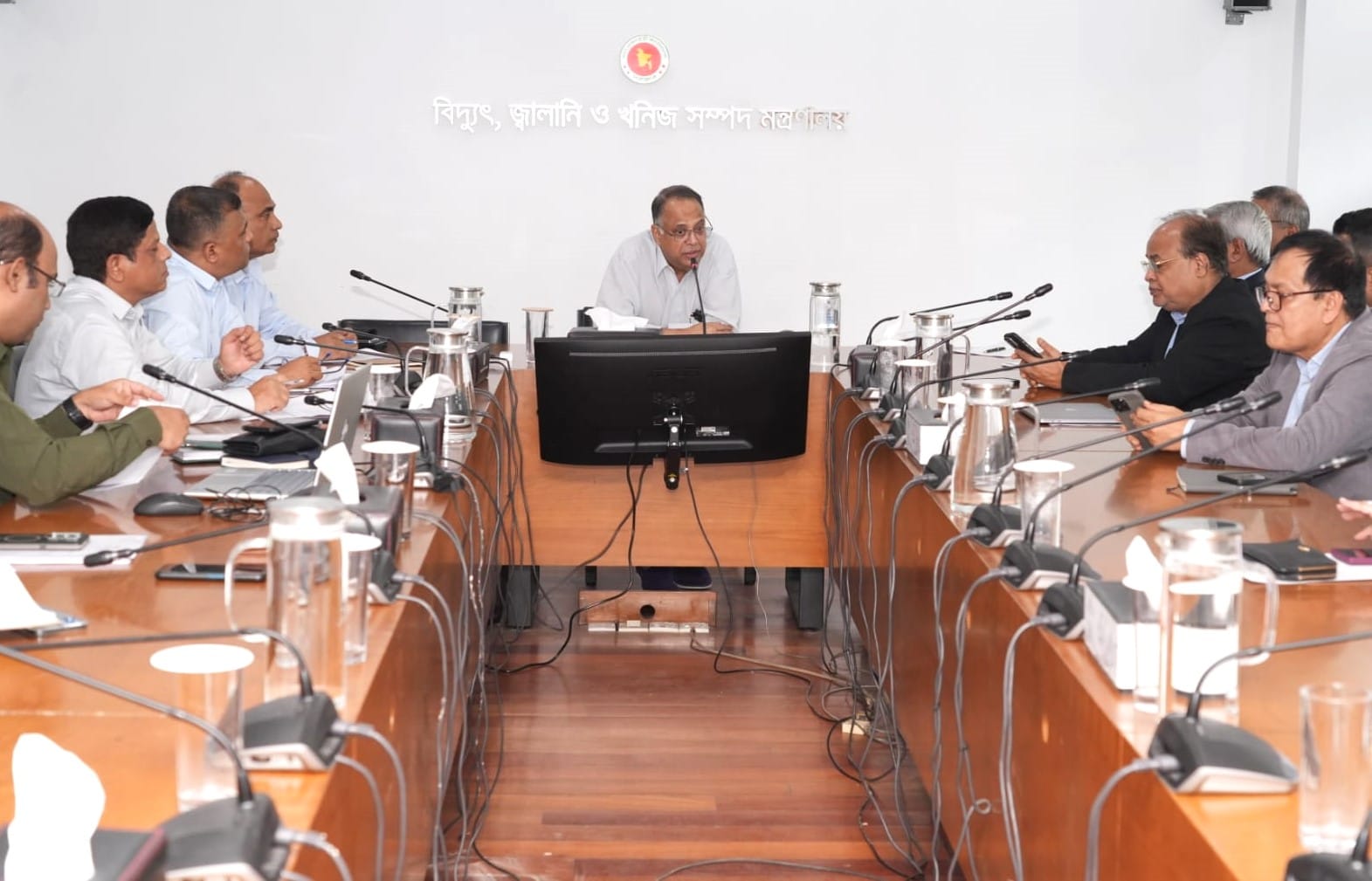
At a meeting organised by the Energy and Mineral Resources Division on Monday, LPG operators assured Power and Energy Minister Iqbal Hasan Mahmood that there was no shortage in the country. They presented import figures and told the minister that national supply and stock levels remained satisfactory.
The minister nevertheless instructed operators to ensure that adequate stocks translated into uninterrupted supplies for consumers.
He also warned against stockpiling for commercial gain, saying measures were needed to prevent deliberate hoarding from causing hardship to consumers.