


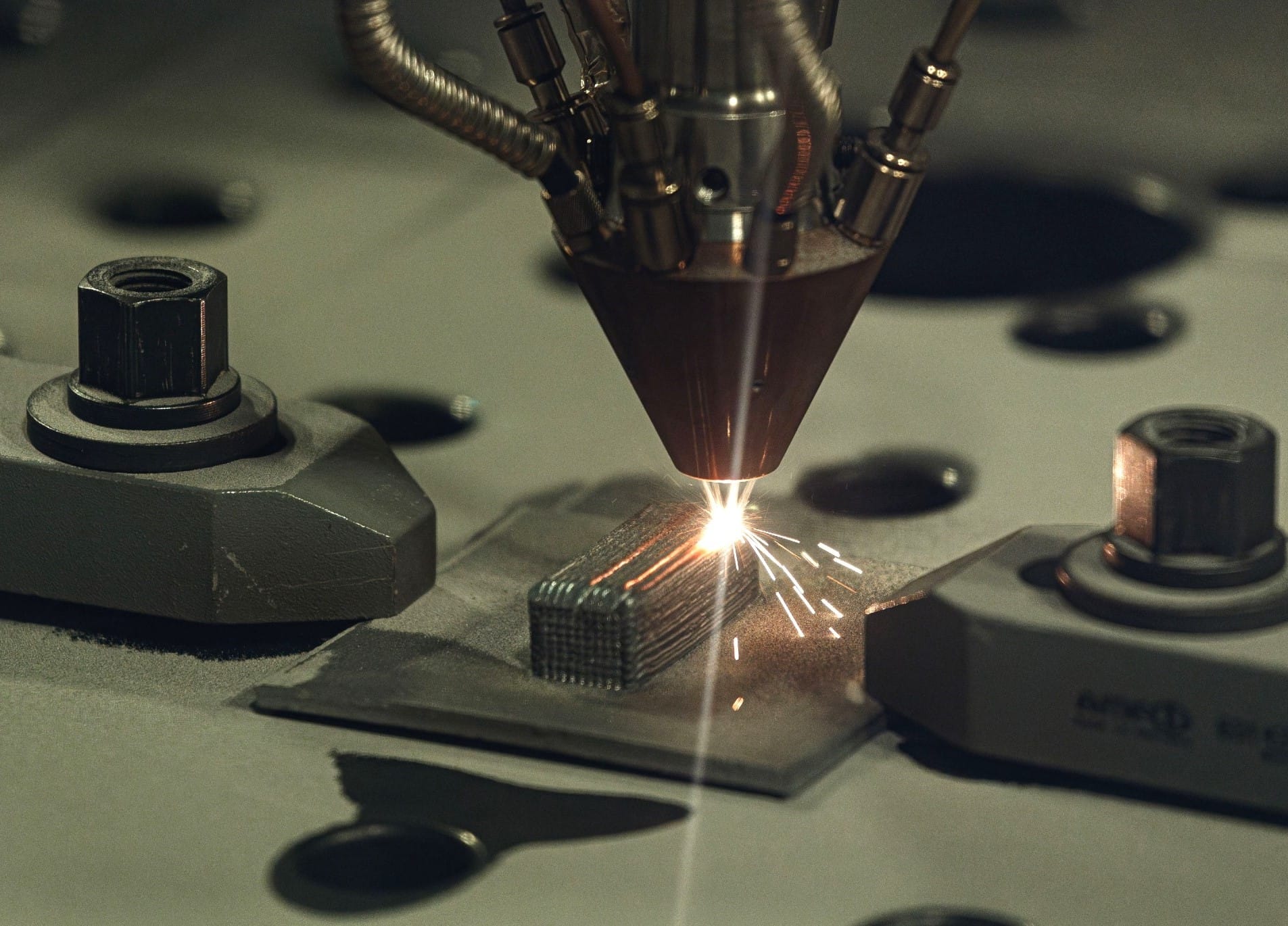
In a major technological breakthrough for the global nuclear industry, Russia’s state nuclear corporation Rosatom has introduced 3D printing technology for manufacturing components of the RITM-200 nuclear reactor, marking the first industrial use of additive manufacturing for reactor unit parts in the country.
The Afrikantov Experimental Design Bureau of Mechanical Engineering (Afrikantov OKBM), part of Rosatom’s Mechanical Engineering Division, has received regulatory approval to produce additively manufactured components for the RITM-200 reactor. The first certified part is a 3D-printed terminal box, a critical component used in pumping equipment within nuclear power plants.
Yuri Vytnov, Chief Technologist at Afrikantov OKBM, said the approval “paves the way for wider use of 3D printing in producing various equipment for marine nuclear power plants, as well as other nuclear industry applications.”
Ilya Kavelashvili, Director of the Additive Technologies business area at Rosatom’s Fuel Division, highlighted the technology’s transformative potential. “The introduction of 3D printing opens up new opportunities in design and production. It enables the creation of parts with optimized geometry and enhanced performance characteristics, improving equipment efficiency and reliability while reducing weight and cost,” he said.
This milestone marks the first time Rosatom has used additive manufacturing to produce actual reactor components, moving beyond its earlier applications in prototype modeling, test equipment, and manufacturing tools. The use of 3D printing in full-scale industrial production promises longer service life, improved economic performance, and lower labor requirements.
3D printing—also known as additive manufacturing—creates three-dimensional objects layer by layer using materials such as metal, plastic, or resin based on a digital blueprint. The technology is increasingly being adopted across global industries for its precision, flexibility, and cost-effectiveness.
Rosatom’s adoption of additive manufacturing signals a new stage in nuclear engineering innovation, with potential benefits for both domestic and international reactor projects.