


Bangladesh’s power sector has reached a state of financial distress that now poses a significant fiscal risk to the national budget, according to a recent technical assessment by the International Monetary Fund (IMF).
The assessment, submitted recently to the Power Division but not yet made public, urges immediate tariff reforms, stronger regulatory oversight, and targeted protections for vulnerable households to prevent deeper structural damage.
The IMF’s Fiscal Affairs Department, following a two-week mission to Dhaka earlier this year, warns that electricity subsidies have surged to over 1% of GDP as the country grapples with an expensive fuel mix, excess generation capacity, and tariffs that remain far below rising production costs.
To restore financial stability, the IMF recommends a three-year roadmap to reduce electricity subsidies, starting immediately, to prevent further deterioration of the Bangladesh Power Development Board (BPDB) and related state-owned entities responsible for generation, transmission, and distribution.
However, a recent IMF delegation’s proposal to implement this roadmap was rejected by the interim government, which termed it a “political decision for the elected government.” The high-level delegation, led by Chris Papageorgiou, is visiting Dhaka from October 29 to November 13, 2025, as part of routine program monitoring and policy consultations.
The IMF report highlights structural imbalances caused by aggressive capacity expansion, which, while achieving near-universal electrification, has led to costly inefficiencies.
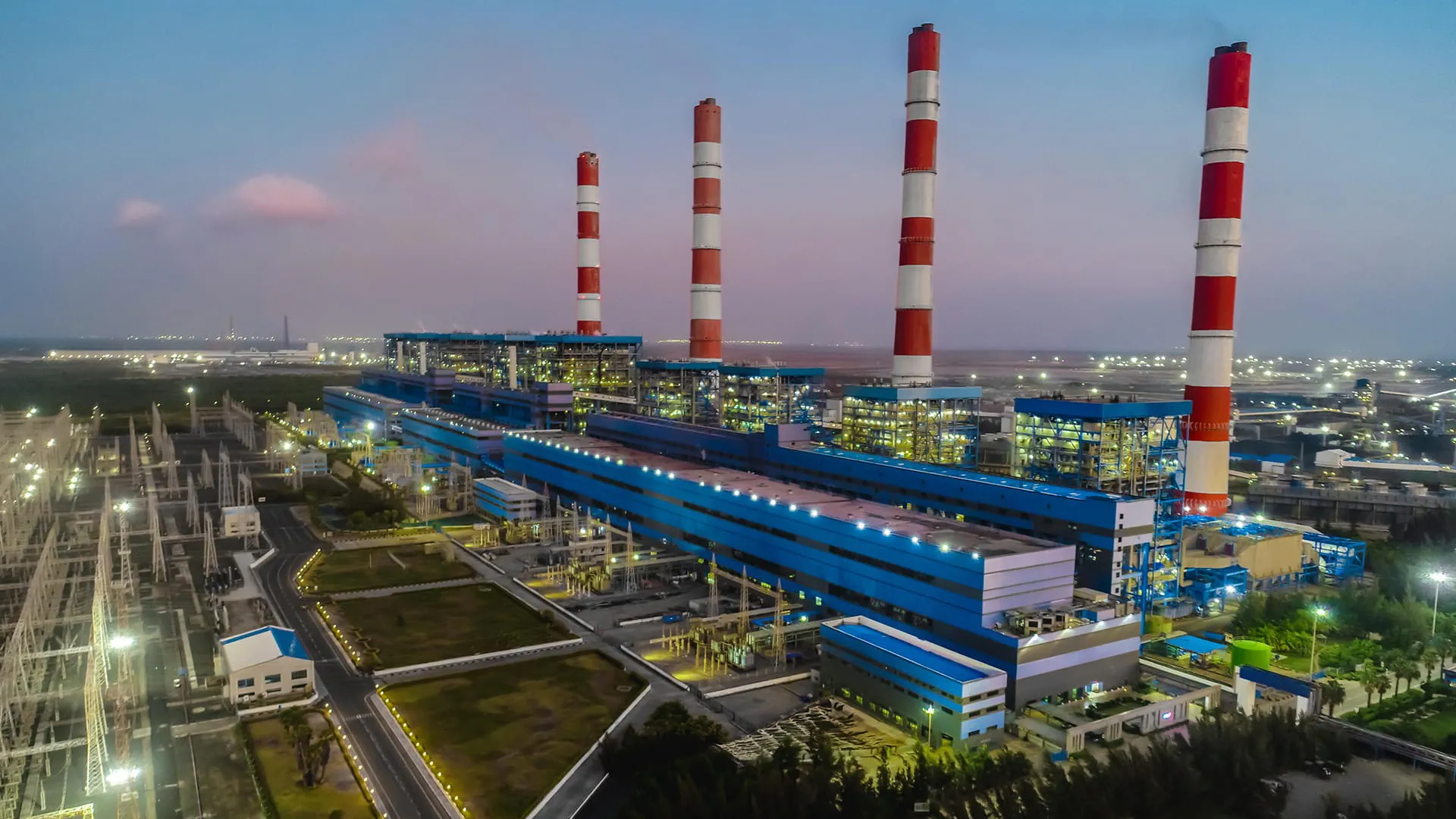
Overcapacity at record 61%
The 2023 Integrated Energy and Power Master Plan overestimated demand, leaving many generation plants underutilized. The government now bears billions in capacity payments for idle power.
While natural gas remains dominant, Bangladesh relies entirely on imported diesel, furnace oil, and coal — the most expensive electricity sources — making the sector highly vulnerable to global price swings.
Amendments to the Bangladesh Energy Regulatory Commission (BERC) Act between 2023 and 2025 weakened the regulator’s authority, allowing politically influenced tariffs that have lagged behind rising fuel costs, inflation, and exchange rate fluctuations.
Between FY2020 and FY2024, BPDB received Tk1.26 trillion in government subsidies but still recorded losses exceeding Tk226 billion, leaving it with negative equity. Its average bulk tariff remains below the actual cost of supply at 11.75 Tk/kWh.
Subsidies favoured the wealthy: IMF
Although designed to support low-income households, the IMF’s analysis shows electricity subsidies now primarily benefit wealthier consumers:
Poorest households use 62 kWh per month, the richest households consume 183 kWh per month, and the top 40% capture more than half of all subsidy benefits.
Total household subsidies rose from 0.87% of GDP in 2023 to 0.89% in 2024, yet the poorest groups received the smallest share. The IMF describes the current tariff structure as “highly regressive.”
Reforms urged with strong protections for the poor
The IMF stresses that tariff increases must be paired with targeted protections to avoid hardship and public backlash.
Key recommendations include: expanding lifeline tariffs for low-income users, raising higher-slab prices for wealthier householdsIntroducing geographic differentiation based on poverty maps, providing cash transfers to the poorest 60% using PMT-based targeting, linking bill discounts to the national social registry, and coordinated communication to build public understanding.
Modelled reform options show potential
Most ambitious: Removing all subsidies and compensating low- and middle-income households could cut total subsidies by 63% while improving welfare for the bottom 40%.
Moderate: Applying cost-recovery tariffs only to the richest 40% could reduce subsidies by 55% without affecting low-income groups.
Short-term: Adjusting lifeline tariffs or modest geographic pricing could deliver quicker, smaller gains.
Structural overhauls key to long-term stability
Beyond tariffs, the IMF recommends: retiring inefficient plants to reduce capacity payments, strengthening PPA oversight for independent power producers, investing in transmission and gas delivery to reduce reliance on costly oil generation, restoring BERC’s independence to lead tariff approvals and sector planning.
While acknowledging government initiatives — such as restoring competitive procurement rules, returning tariff-setting authority to BERC, revising the 2023 master plan, and committing to subsidy reduction — the IMF notes that structural challenges will take time to resolve and require early, coordinated action.
Energy expert Prof Ijaz Hossain said the interim government could have maintained subsidies while managing costs.
“IMF is pressuring the government to raise power prices to adjust costs, which puts serious pressure on consumers. The previous government planned to balance costs over three years,” he said.
He suggested a partial tariff increase could be feasible: “Currently, subsidies are Tk4-5 per unit. The government can hike half of it, adjusting the rest through other strategies. If needed, load shedding or renewable energy deployment could be applied.”
Prof Hossain believes the sector could reach sustainability within three to five years, noting that current overcapacity will naturally reduce if no new plants are constructed.