


Bangladesh’s leading consumer rights body has sharply criticised what it calls unjustified and abnormal price hikes in LPG, sugar and edible oils, urging the government to take immediate action to stabilise markets and protect households.
In a statement on Friday, the Consumers Association of Bangladesh (CAB) said recent, sustained increases in the prices of essential commodities have fuelled widespread frustration, anxiety and resentment among ordinary consumers. The organisation alleged that artificial shortages have been created through manipulation of imports, mill-gate production and supply chains, allowing powerful syndicates to control the sugar market.
According to CAB, similar practices are driving price rises in LPG, soybean oil and palm oil, directly squeezing household budgets and raising the cost of daily living.
Sugar prices jump despite stable supply
CAB noted that sugar prices were relatively stable as recently as a week ago. However, prices in wholesale markets have risen sharply, with retail prices up by Tk10 per kilogram. The group said the suspension of white sugar imports and claims of production and supply shortages at mills were being used as pretexts to engineer an artificial crisis.
The association also accused traders of exploiting pre-Ramadan demand to push prices higher through hoarding and collusion.
Edible oil and LPG under pressure
Edible oil prices have increased by Tk5 to Tk10 per litre in recent weeks. Data from the Trading Corporation of Bangladesh (TCB) show that bottled soybean oil prices rose by 12.85 per cent at retail level over the past year.
While traders cite international market volatility to justify higher prices, CAB said there is little urgency to reduce prices when global rates ease, leaving consumers to bear one-sided price adjustments.
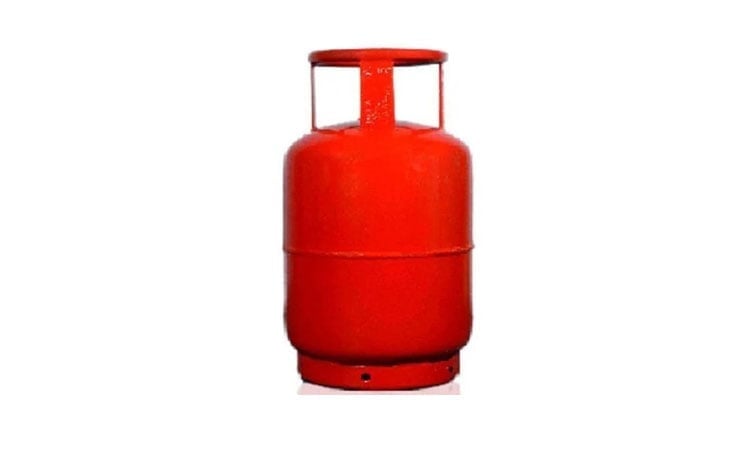
The organisation also rejected recent LPG price increases as lacking any rational basis. It alleged that some unscrupulous traders are selling LPG well above government-set rates, exploiting rising demand. CAB warned of possible collusion involving importers and their distributors, noting that although the Bangladesh Energy Regulatory Commission (BERC) fixes prices, enforcement remains weak.
Call for coordinated government intervention
CAB said the current situation reflects serious weaknesses in market oversight and a lack of effective accountability. It warned that allowing essential commodity markets to be captured by syndicates would severely erode purchasing power and further undermine public confidence in market management.
The consumer body called on the government to take urgent steps, including: verifying actual production, stock and supply data at sugar mills to identify those creating artificial shortages; taking exemplary legal action against syndicates and hoarders in the sugar and edible oil markets and ensuring reasonable alignment between international prices, import costs and domestic retail prices of edible oils; enforcing LPG sales strictly at regulated prices through stronger coordination among district administrations, consumer rights authorities and law enforcement under the Energy Ministry and tightening monitoring of LPG importers, distributors, stock levels and retail sales.