


The new BNP government has moved to reopen seven out of all the 25 closed state-owned jute mills in an effort to revive the country’s traditional jute industry.
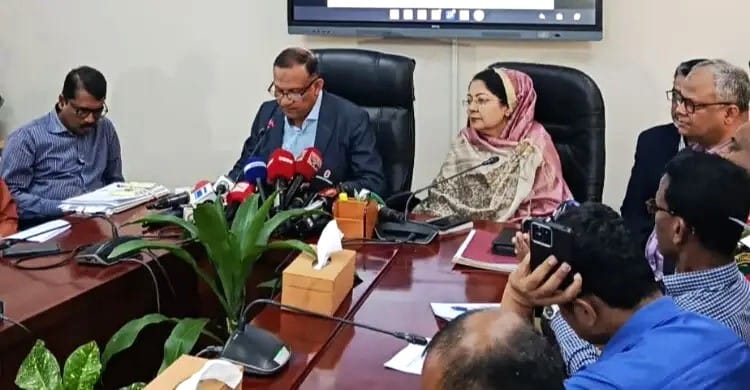
The information was shared at a press conference held at the Secretariat on Thursday by the Ministry of Textiles and Jute, marking the upcoming National Jute Day 2026.
State Minister for Textiles and Jute Md Shariful Alam and ministry Secretary Bilkis Jahan Rimi addressed the briefing.
Officials said the theme of this year’s Jute Day is “Build the jute industry, create employment.” President Mohammed Shahabuddin will inaugurate the programme virtually on March 6.
Secretary Bilkis Jahan said there are 25 mills under the Bangladesh Jute Mills Corporation (BJMC), and all of them are currently closed. Of these, 14 mills have already been leased out on a long-term basis, while the process is underway to reopen seven more.
She said the government has taken initiatives to revive the jute sector. Mills that have already reopened or are in the process of reopening will be operated under private management. The remaining mills will also be reopened gradually.
The government is also promoting the use of jute bags as an alternative to plastic. Bilkis Jahan said awareness campaigns are being carried out in cooperation with the Ministry of Environment and related climate agencies.
She noted that plastic bags were not used at the recent Dhaka International Trade Fair for the first time. Instead, jute bags and jute-cotton bags were used.
To encourage public use, jute bags are being sold at subsidised prices in several places. For example, a bag that costs around Tk100 to produce is being sold for Tk20 to Tk30.
State Minister Shariful Alam said the government is also considering using jute bags in relief and food assistance programmes. Discussions are underway with the food and disaster management ministries to distribute rice, lentils and other items in jute bags.
He also said the government plans to reduce raw jute exports and focus more on producing finished jute goods. To encourage entrepreneurs, awards, certificates and incentives will be introduced in different categories.
The state minister added that the new government is reviewing the sector’s challenges and opportunities. A comprehensive plan will be prepared under the government’s 180-day action plan to remove barriers and increase production and exports.
Responding to a question about the timeline for reopening the mills, Shariful Alam said no specific deadline would be announced yet. However, work is underway to reopen the mills quickly to create jobs and strengthen the economy.
Asked why the mills are being handed over to private operators, Secretary Bilkis Jahan said many state-run mills had been operating at a loss for years. Therefore, the government wants to involve the private sector for investment and efficient management while providing policy support and incentives.
Regarding the “Sonali Bag” project made from jute, she said the initiative is currently suspended. A feasibility review found that some chemicals used in producing the bag could be harmful to the environment, leading the government to cancel plans for large-scale production.