


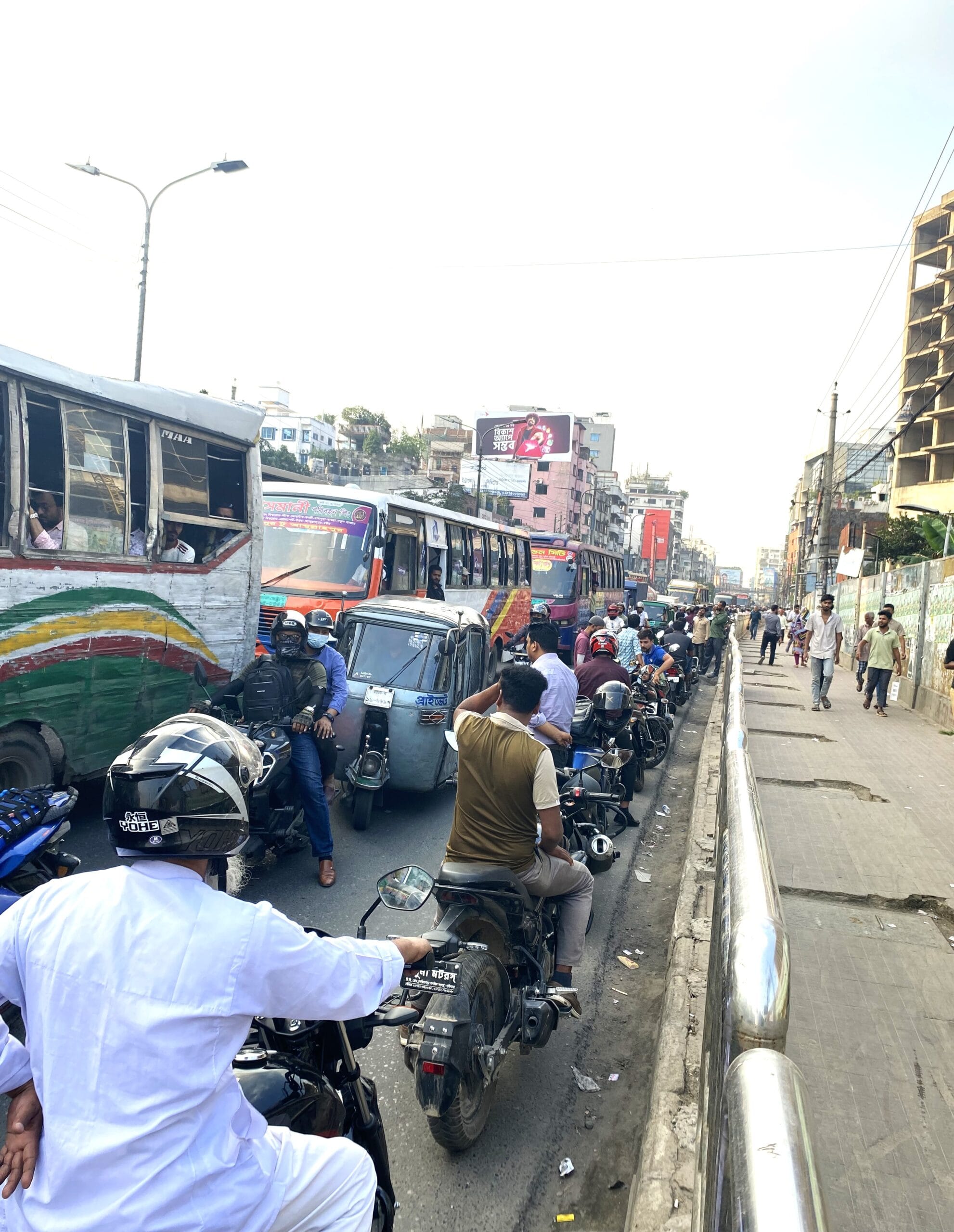
Bangladesh has launched a pilot scheme using QR codes to regulate fuel distribution in Dhaka, as authorities seek to tackle long queues and prevent artificial shortages.
The Energy and Mineral Resources Division (EMRD) said the new mobile app–based “Fuel Pass” system is designed to bring greater discipline and transparency to the sector. The trial has begun at two filling stations in the capital.
“We have received 10,000 applications from people seeking to obtain a fuel pass,” EMRD spokesperson Monir Chowdhury told reporters at a press conference at the ministry on Thursday. He added that the government is yet to decide how much fuel users will be allowed to purchase on a weekly or monthly basis.
According to a separate statement, the app—developed by the Bangladesh Petroleum Corporation—has initially been rolled out for motorcycle users. The pilot is being tested at Trust Filling Station in Tejgaon and Sonar Bangla Filling Station in Asadgate. Officials say it will be expanded nationwide and extended to all vehicle types if successful.
Addressing inefficiencies
Authorities say the existing manual system has led to widespread inefficiencies. Despite adequate fuel supplies, filling stations frequently experience long lines and traffic congestion. In some instances, motorists have reportedly queued multiple times to obtain more than their fair share, contributing to perceived shortages.
The Fuel Pass system aims to digitise the process, enabling real-time monitoring and tighter control over distribution.
How it works
Under the scheme, each user is issued a unique QR code, which must be scanned at the point of purchase. Fuel is then dispensed according to a pre-set allocation.
Station operators will log fuel sales digitally, while users can track their remaining quota through the app. A centralised system will allow authorities to monitor supply conditions across the country.
Those without smartphones can register online, download their QR code and present a printed copy at filling stations.
Data integration and oversight
The system will be linked to the Bangladesh Road Transport Authority’s central database, allowing officials to verify vehicle details and improve oversight.
The Energy Division said the initiative is expected to reduce waste and irregularities while strengthening the government’s ability to manage supply during periods of strain. Officials expressed hope that, with stakeholder cooperation, the system could be rolled out nationwide in due course.