


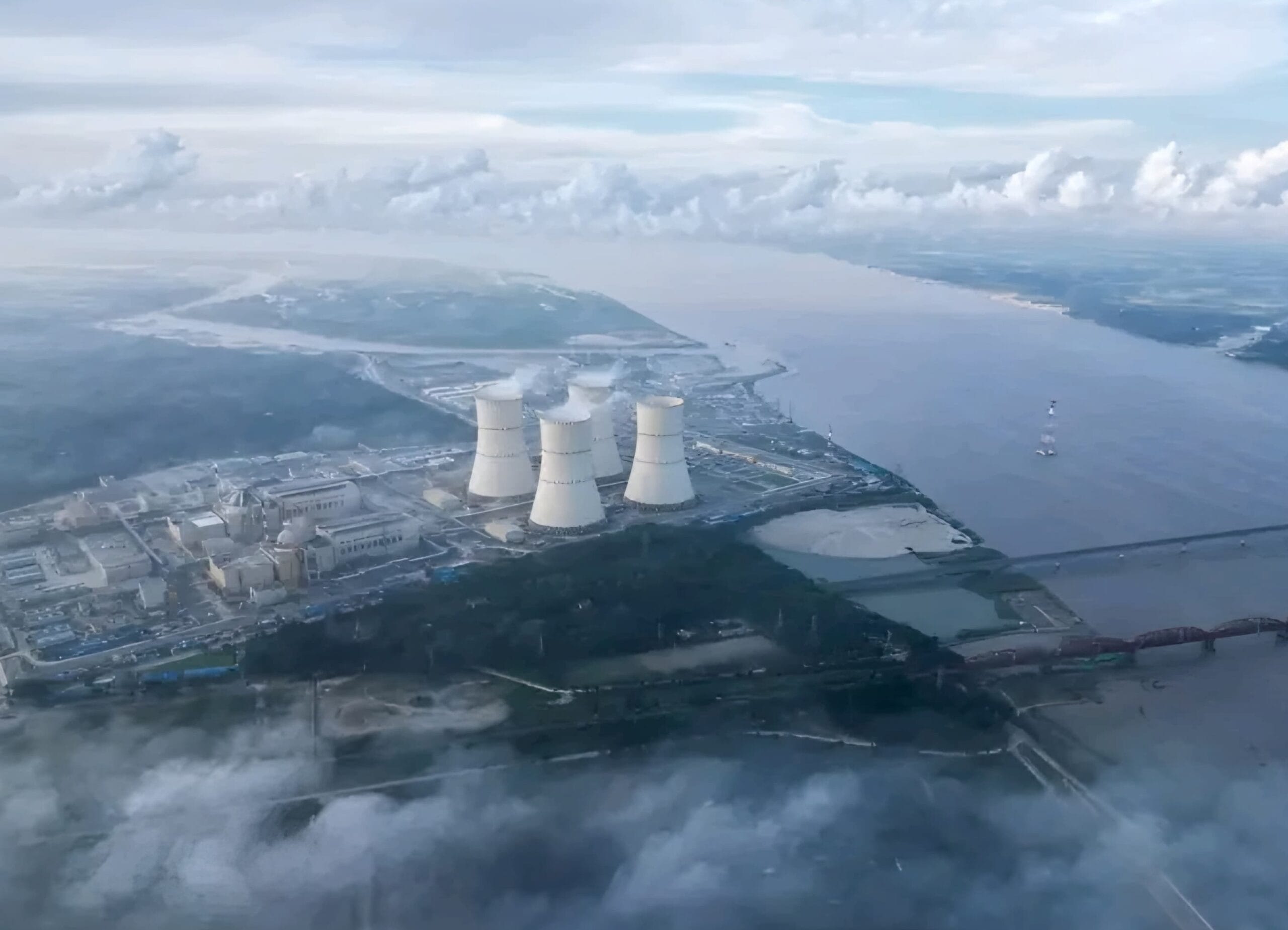
Bangladesh is preparing to begin nuclear fuel loading at its flagship power project, the Rooppur Nuclear Power Plant, by the end of April, in a milestone step towards bringing the country’s first nuclear facility online.
Officials say the ceremony could be jointly inaugurated by Prime Minister Tareque Rahman in person and Russian President Vladimir Putin virtually, underscoring Moscow’s central role in financing and building the plant.
Md Anwar Hossain, secretary of Bangladesh’s Ministry of Science and Technology, told Just Energy News that authorities are completing final procedures for the loading of nuclear fuel — a critical phase before commissioning.
“We are trying to complete all procedures for nuclear fuel loading immediately,” he said, adding that initial electricity generation from Unit-1 could begin within three months of the process starting.
Around 30% of the unit’s capacity is expected to be generated in the early stages, with full output to follow gradually in January, 2027.
The first unit of the 2,400MW facility — comprising two 1,200MW reactors — is now in the final stages of preparation. Officials expect it to reach full generation capacity by early 2027, although partial output could come online much sooner.
The project’s director, Dr Kabir Hossain, confirmed that Bangladesh’s nuclear regulator, the Bangladesh Atomic Energy Regulatory Authority, has already granted commissioning licences and personnel authorisations for Unit-1.
Once operational, the plant is expected to ease chronic electricity shortages and reduce Bangladesh’s dependence on costly imported liquid fuels, a key concern amid global energy price volatility.
However, the project has been overshadowed by mounting financial and scheduling pressures.
Originally approved in 2016, the Russian-backed scheme has missed its initial completion deadline and is now set for a significant revision. The Planning Commission is preparing to raise the total project cost by Tk26,181 crore, pushing the overall budget to around Tk1.40 lakh crore.
The increase is largely attributed to currency depreciation and rising costs over the project’s nine-year implementation period. Bangladesh’s currency has weakened considerably against the US dollar since the original estimates were prepared, inflating repayment and procurement costs.
Russia’s state-backed lender is financing the bulk of the project through a loan of $11.38billion, with a large portion already disbursed at less favourable exchange rates than initially projected.
Officials also cite additional expenses linked to technical upgrades, operational support contracts, and infrastructure — including accommodation for foreign personnel — as contributing factors.
A 400kV transmission line has already been installed, ensuring the grid is ready to receive power once generation begins.
The project has also faced external challenges, including supply chain disruptions linked to the Russia-Ukraine war and subsequent Western sanctions on Moscow.
Energy analysts warn that continued delays and rising costs could weigh on the project’s economic viability, particularly if electricity tariffs are not carefully structured. The Bangladesh Power Development Board is expected to finalise a power purchase agreement and tariff framework in consultation with regulators.
Even so, officials remain optimistic that the long-delayed project will mark a turning point in Bangladesh’s energy mix — provided it can be delivered safely and within the revised timeline.