


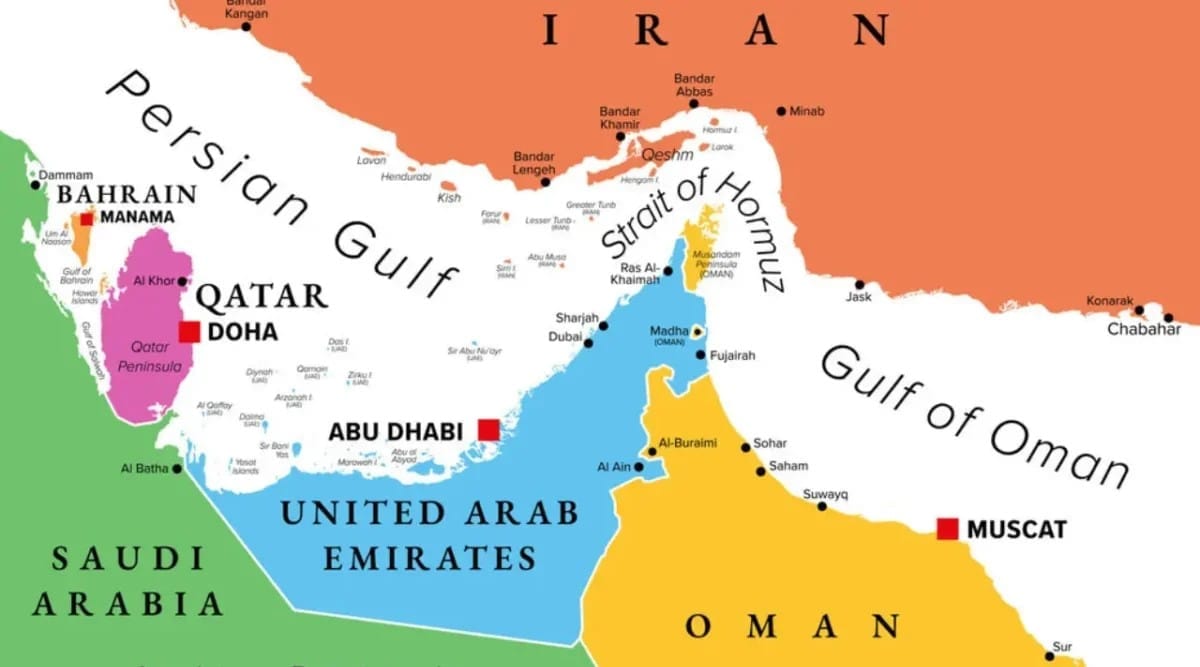
Tehran announced on Friday that the Strait of Hormuz has been reopened to commercial shipping, coinciding with the start of a temporary ceasefire in Lebanon, says agency reports.
The twin developments have raised expectations that significant barriers to a potential agreement between the United States and Iran may be easing.
The 10-day truce in Lebanon prompted scenes of mass return, as displaced families traveled back to their homes in southern Beirut and other heavily affected regions. Many carried belongings atop their vehicles, hoping the pause in fighting would hold long enough for recovery efforts to begin.
Iranian Foreign Minister Abbas Araghchi confirmed that the strategic waterway—vital for global energy transport—would remain accessible to commercial vessels during the ceasefire period. However, military ships are still prohibited from passing through the strait, according to Iranian officials.
U.S. President Donald Trump reacted positively to the move, publicly welcoming the reopening while maintaining that American restrictions on Iranian ports would remain in place until a broader agreement is finalized. He emphasized that ongoing diplomatic negotiations with Tehran are still incomplete.
Markets responded swiftly, with oil prices dropping further amid optimism that tensions in the region could de-escalate.
Meanwhile, Israel signaled a partial return to normal life by lifting certain wartime restrictions, allowing civilians to resume daily activities. Despite this, Prime Minister Benjamin Netanyahu stressed that operations against Hezbollah are not finished, citing continued concerns over missile and drone threats.
In contrast, Trump dismissed the prospect of further Israeli strikes in Lebanon, asserting that the United States would take the lead in addressing Hezbollah-related security concerns.
Just before the ceasefire took effect, Israeli airstrikes reportedly hit the southern Lebanese city of Tyre, causing casualties and damage to residential buildings. Despite the violence, thousands of civilians began returning home shortly afterward.
Under the ceasefire terms, Israel retains the option to act against immediate threats and plans to maintain a buffer zone along the southern Lebanese border. Officials indicated that military action could resume if security objectives are not met through diplomacy.
Lebanon’s leadership has signaled openness to direct talks with Israel following the ceasefire, aiming to stabilize the situation, secure territorial withdrawals, and resolve lingering disputes.
Hezbollah, for its part, has warned it remains ready to respond to any violations of the truce.
The ceasefire and reopening of the Strait of Hormuz are seen as key steps in broader diplomatic efforts to reduce regional tensions. Ongoing mediation, including initiatives led by Pakistan, has reportedly brought Washington and Tehran closer to a possible agreement.
The conflict in Lebanon began earlier this year after cross-border attacks escalated into wider hostilities, underscoring the fragile security landscape in the region.