


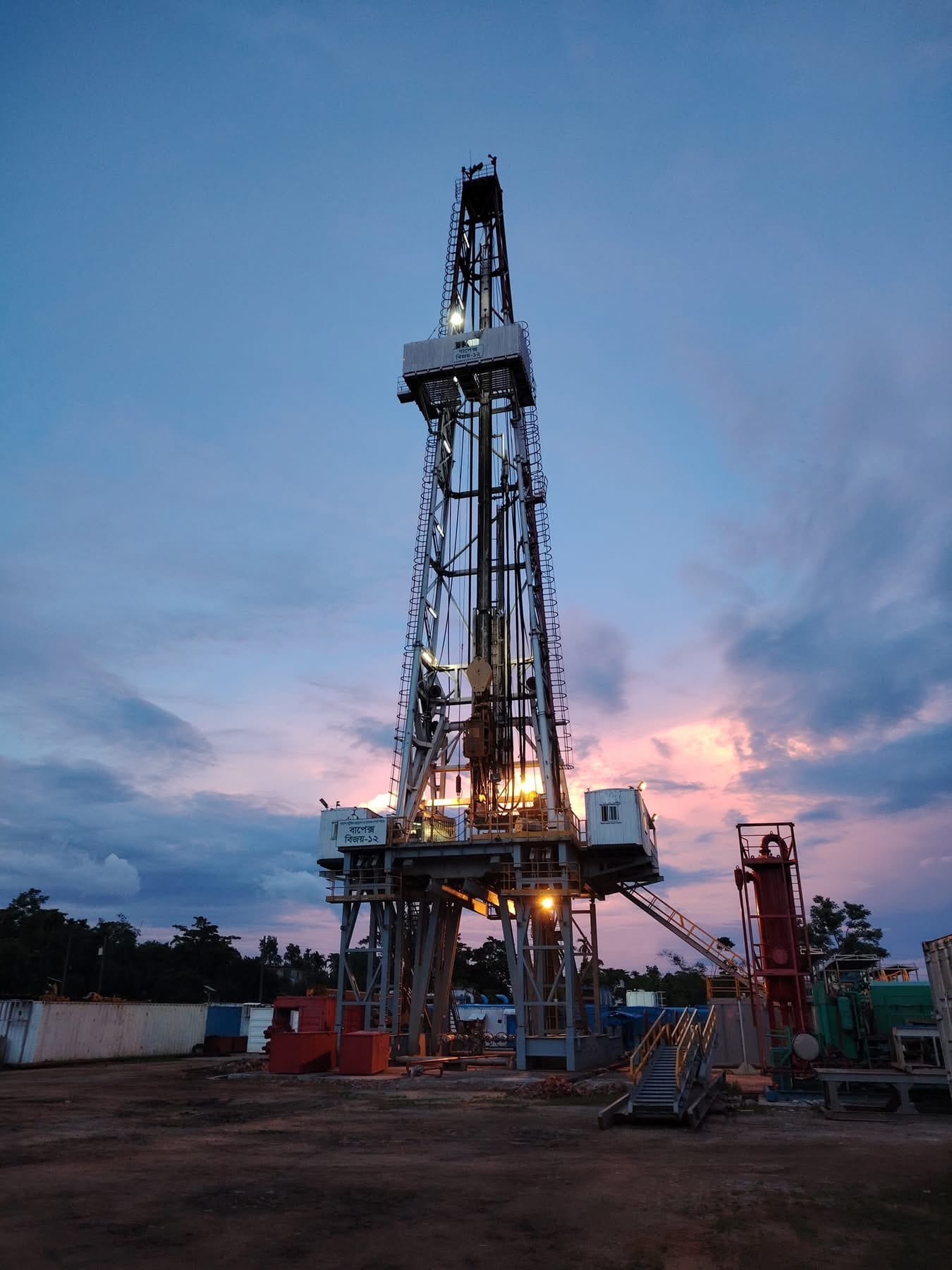
Bangladesh has drafted a renewed effort to attract international investment into its energy sector, unveiling plans to expand gas exploration, build new infrastructure and increase refining capacity as the country seeks to secure its long-term energy supply.
The initiative, announced by the government’s Energy and Mineral Resources Division (EMRD), comes after the newly elected administration took office in February 2026. Officials say energy security will be central to sustaining economic growth in the fast-developing South Asian economy.
In a message aimed at foreign investors, the EMRD outlined a series of short-term 180-day action plans alongside a broader five-year strategy designed to accelerate development across the country’s energy value chain.
Bangladesh’s energy demand has historically grown by around 8 per cent a year, although officials say the pace slowed following political changes in July last year. Even so, domestic supply continues to lag behind demand, prompting the government to seek greater foreign participation in exploration and infrastructure development.
Priority investment areas include offshore and onshore gas exploration, liquefied natural gas (LNG) terminals, petrochemical complexes, refineries and LPG distribution networks. Expansion of coal production and development of strategic mineral resources are also part of the programme.
Officials say Bangladesh possesses significant untapped hydrocarbon potential, particularly in offshore blocks in the Bay of Bengal. Over the next five years the government plans to initiate around 117 new drilling programmes and carry out extensive seismic surveys to identify new gas reserves.
A proposed gas hub in Bhola is also under consideration, with plans for additional wells and pipeline links to connect gas fields to industrial zones and power plants.
To support growing LNG imports, authorities are considering a new floating storage and regasification unit (FSRU) near Moheshkhali in Cox’s Bazar with a capacity of about 600 million cubic feet of gas per day. Additional onshore LNG storage facilities are also under discussion.
The strategy also includes plans to expand petroleum refining capacity. Two new refineries are proposed — one capable of processing three million tonnes of crude oil annually and another larger six-million-tonne facility integrated with a petrochemical complex. The projects are expected to produce Euro-standard fuels and reduce the country’s reliance on imported refined petroleum products.
Bangladesh currently consumes roughly 10 million tonnes of petroleum products each year and imports about 70 per cent of its fuel needs, according to official figures.
Speaking about the investment drive, the EMRD secretary Mohammad Saiful Islam said Bangladesh offers strong prospects for investors due to its largely unexplored offshore areas, high probability of gas discoveries and relatively competitive drilling costs.
The country also benefits from a skilled workforce, a strategic location linking South and Southeast Asian markets and what officials describe as an investor-friendly regulatory framework.
To attract foreign capital, the government is offering production sharing contracts with competitive fiscal terms, tax holidays, duty exemptions and provisions for full profit repatriation.
“We are expected to release our 180 days plan before investors immediately,” the secretary said.
Energy analysts say the programme could draw interest from international companies looking for new exploration opportunities in South Asia, particularly as regional demand for natural gas and refined fuels continues to rise.