


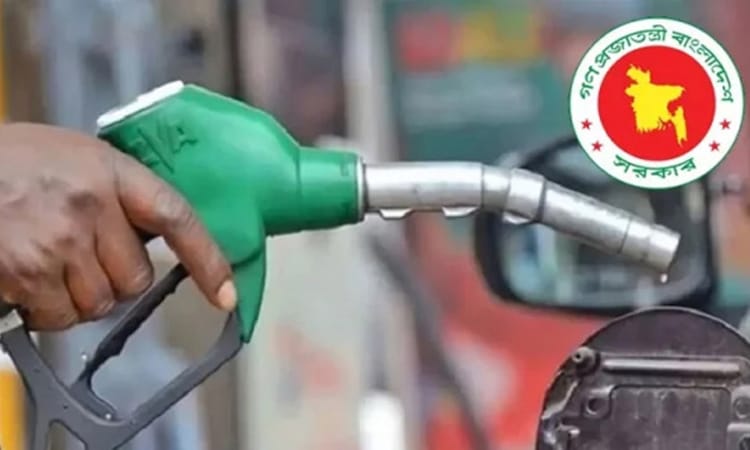
The government has taken an initiative to build a three-month fuel reserve to safeguard energy security amid global supply uncertainties, State Minister for Power, Energy and Mineral Resources Anindya Islam Amit said on Sunday.
Speaking at a briefing at the Secretariat, he said authorities are working to ensure uninterrupted fuel supply in the coming months, with preparations already in place to meet all demand in April.
The minister noted that diesel demand is expected to remain at its peak until April 15 due to the ongoing irrigation season, and district administrations have been instructed to ensure that farmers receive adequate fuel.
“April’s diesel demand is already covered. We have identified new sources and are working to secure supplies from those,” he said, expressing hope that a three-month reserve can be built successfully.
He emphasised that ensuring fuel availability for agriculture remains a top priority, adding that the government is closely monitoring the situation to prevent any shortages.
Shopping hours extended
Alongside the fuel measures, the government has slightly relaxed restrictions on business hours. Shopping malls and markets will now remain open until 7:00pm, instead of the previously set 6:00pm limit.
The decision was revised after business leaders appealed for extended hours and was approved following consideration by Prime Minister Tarique Rahman. Emergency services will remain outside the scope of the restriction.
Call for energy conservation
The minister urged citizens to use electricity and fuel responsibly to help manage the situation, particularly in the context of global energy market volatility linked to tensions in the Middle East.
Earlier, the cabinet had moved to limit shop operating hours to curb energy consumption amid fears of a fuel crunch. The latest adjustment reflects a balance between conservation efforts and business needs.
Officials say the combined measures—boosting fuel reserves, managing demand, and encouraging conservation—are aimed at helping Bangladesh navigate short-term energy challenges while protecting key sectors such as agriculture.