


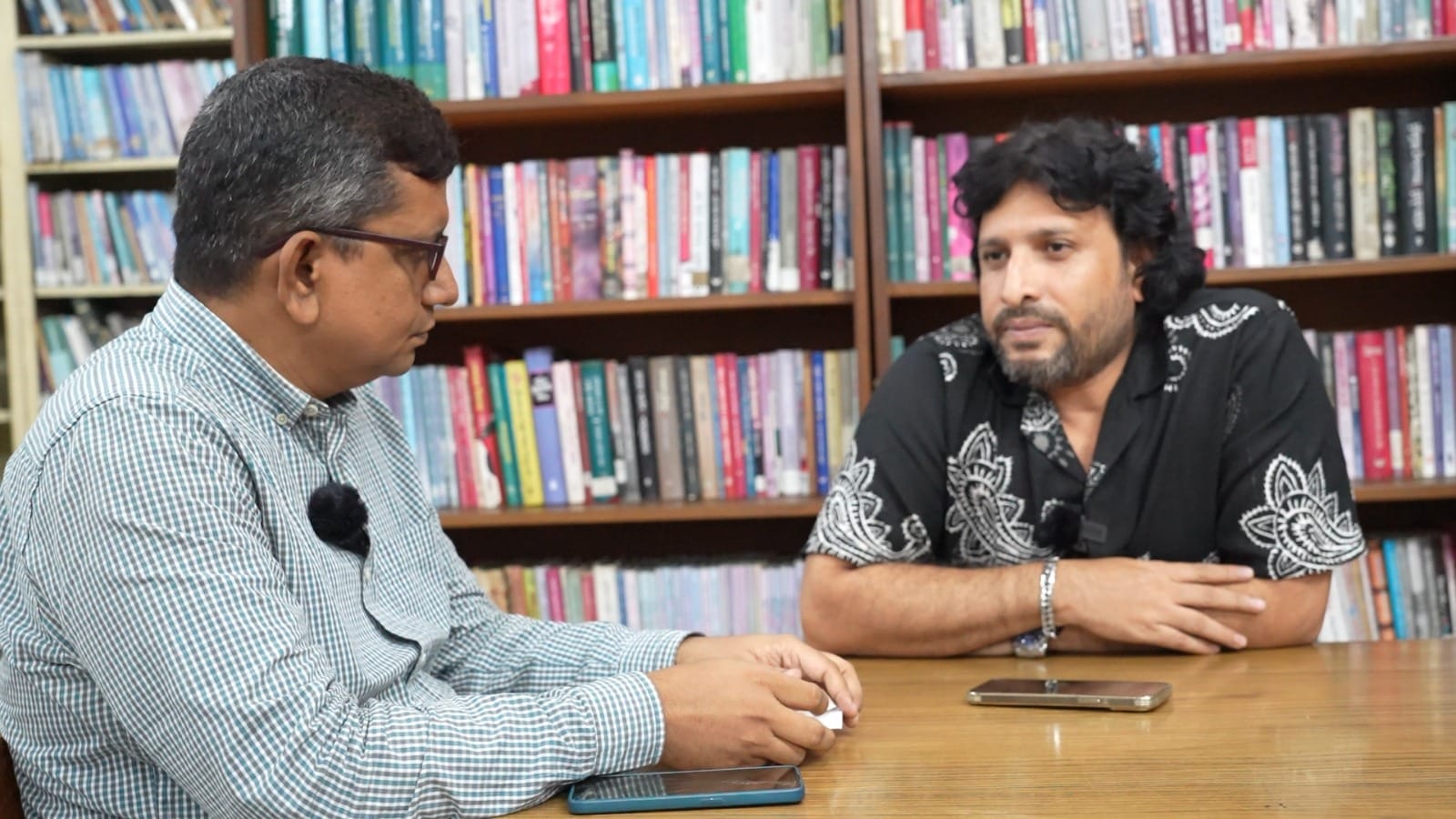
Bangladesh’s growing reliance on imported liquefied natural gas (LNG) is placing severe strain on the economy, while inadequate domestic exploration and policy failures have worsened the country’s energy vulnerability, said Mohammad Azizur Rahman Ripon, special correspondent of The Financial Express.
In an interview with Just Energy News, Azizur Rahman said LNG imports — introduced in 2018 as domestic gas reserves declined — have become unavoidable but increasingly costly. Bangladesh imported only 18 LNG cargoes in 2018; the number is expected to rise to 108 in the current fiscal year and further to 124 next year.
Rising costs, mounting debt
“LNG is an expensive fuel, and the government has been struggling to arrange funds for imports,” Azizur Rahman said.
During the Russia–Ukraine war in 2022, global LNG prices soared, forcing Bangladesh to suspend imports for several months as suppliers demanded timely payments and even threatened to halt deliveries.
At the peak of the crisis, international prices reached $65–67 per MMBtu, while Bangladesh managed to import LNG at around $35–37 per MMBtu—still a heavy burden on public finances.
The suspension disrupted electricity generation, forcing several power plants to shut down.
To manage the crisis, the government turned to international lenders. Petrobangla signed a $500 million loan agreement with the Islamic Trade Finance Corporation (ITFC) last year, which was increased to $600 million this year. It also secured a $50 million standby letter of credit from the World Bank.
“Although higher remittance inflows and reduced capital flight have offered some relief, LNG imports continue to exert enormous financial pressure,” he said.
Falling production, policy shortcomings
Bangladesh’s daily gas production has declined sharply – from about 2,700 million cubic feet per day (mmcfd) in 2017 to around 1,800 mmcfd or less now.
Azizur Rahman attributed this largely to policy failures under the previous government.
“Instead of prioritising exploration, policymakers became overly enthusiastic about LNG imports,” he said.
Domestic exploration slowed significantly after LNG imports began, while the country’s two floating storage and regasification units (FSRUs) frequently suspended operations due to rough sea conditions. Despite initial plans, no land-based LNG terminal has been built so far.
“This interim administration has largely followed the same path,” he added, noting the lack of visible progress toward long-term energy infrastructure.
Bhola gas: A missed opportunity
Azizur Rahman pointed to the long-neglected Bhola gas field as a major missed opportunity. Two decades ago, US-based Unocal proposed a production-sharing contract to transport gas from Bhola to Khulna, but the plan never materialised.
“Today, major power plants in the southwest, including Rupsha, are lying idle due to gas shortages,” he said. “Had the Bhola gas been utilised, prices would have been lower and the crisis less severe.”
Recent exploration in Bhola has identified proven reserves of 2-3 trillion cubic feet (TCF). With further exploration, total reserves could reach 5-6 TCF, he added.
Land-based LNG and exploration urgently needed
While constructing an FSRU typically takes about two years, a land-based LNG terminal requires four to five years. Although tenders for a land-based terminal were floated alongside the first FSRU in 2018, the project has seen no progress.
“Two FSRUs were completed, but the land-based terminal did not move even an inch,” Azizur Rahman said, describing the delay as “mysterious.”
Tariff talks and rising demand
Bangladesh is negotiating increased energy imports from the United States, potentially worth $1.5 billion annually, amid projections of a 40% rise in energy demand.
However, Azizur Rahman cautioned that LNG imports – whether from the US or other sources – will continue to strain the economy.
“The solution lies in aggressive exploration,” he said, calling for reassessment of old gas fields, resolution of legal disputes such as those involving Niko, and the use of modern technology to explore fields in Sylhet, Rashidpur, and areas near Bibiyana.
Regional cooperation and energy hub vision
He also stressed the importance of onshore and offshore bidding rounds and regional energy cooperation.
“Myanmar has substantial gas reserves. Just as electricity is traded regionally, gas cooperation should also be explored,” he said.
The planned energy hub at Moheshkhali – encompassing ports, LNG and LPG terminals, and petrochemical facilities – could be transformative if implemented properly.
“If Matarbari is developed under a comprehensive plan, it can emerge as an energy gateway for Bangladesh, significantly reducing freight and supply costs,” he said.
Looking ahead, Azizur Rahman said the next government’s biggest challenge will be financing energy supplies while ensuring uninterrupted operation of power plants amid excess capacity.
“Whether through LNG imports or domestic exploration, Bangladesh urgently needs a realistic, demand-based energy plan,” he said.