


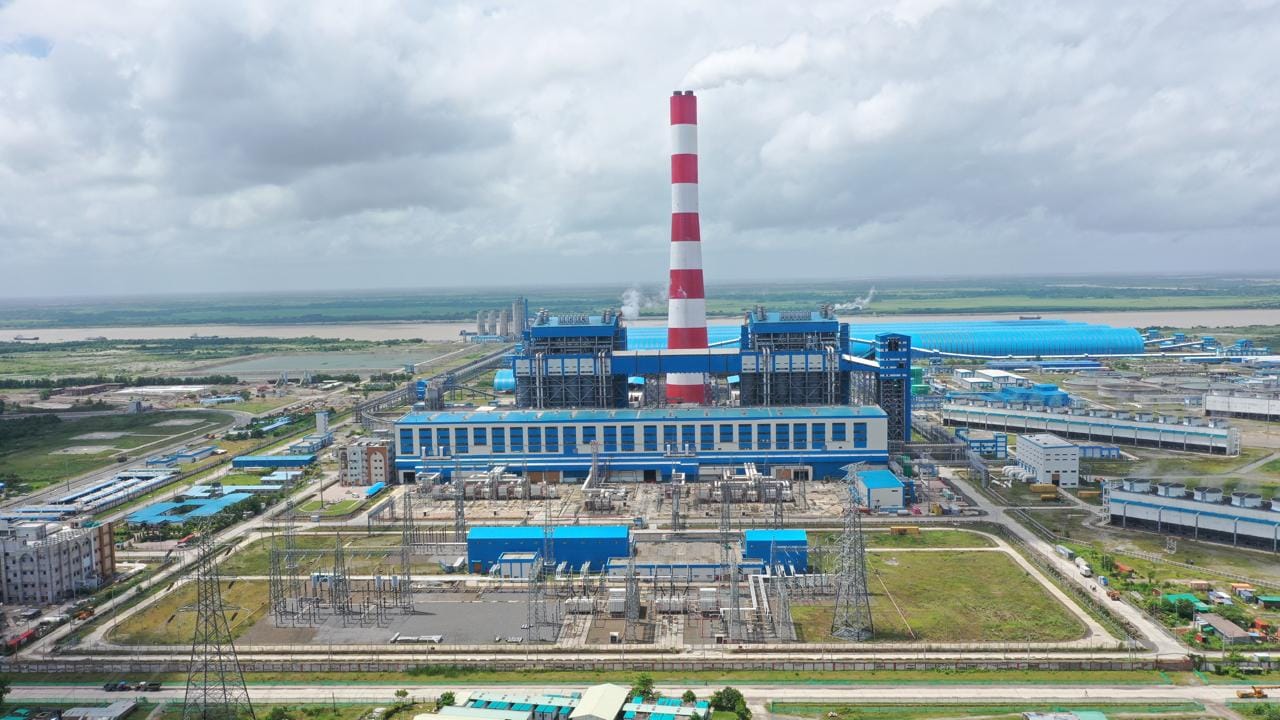
Bangladesh is pivoting toward coal-fired power to stabilise its electricity supply and shield industrial growth from volatile global energy markets.
A government position paper warns that escalating Middle East tensions, specifically in the Strait of Hormuz, threaten the liquid fuel and liquefied natural gas (LNG) imports the nation has long relied on.
According to the Bangladesh Power Development Board (BPDB), the country’s six coal plants are operating at near-full capacity, collectively generating up to 6,400 megawatts. While geopolitical friction has spiked, coal supplies from Indonesia remain uninterrupted.
Key facilities, including the Payra and Rampal plants developed with Chinese and Indian partners, are now central to the strategy to reduce reliance on costly oil-based generation.
However, the logistical demand is massive: Combined daily coal demand for these six plants has hit approximately 58,759 tonnes subject to run the plants with installed capacity, with some individual facilities requiring more than 10,000 tonnes every 24 hours.
“We are currently generating around 4,700 MW from coal-fired plants,” the BPDB chairman told Just Energy News.
It was around 3,200–3,500 MW at the same time last year, according to a BPDB official. “Gas-fired generation has fallen to about 4,500 MW, against a capacity of 12,204 MW, due to shortages in natural gas supply.”
The BPDB chairman said the average gas supply has come down to 820 mmcfd now from 1,012 mmcfd at the same time last year.
The Energy and Mineral Resources Division said it would supply 870 mmcfd of natural gas for power generation. However, the supply was reduced to 820 mmcfd due to the Iran–Israel war.
The chairman added that oil-fired plants are now used sparingly, primarily for grid stability.
Critics argue this shift undermines Bangladesh’s climate commitments and risks worsening air pollution in densely populated coastal regions.
Officials counter that modern “clean coal” technologies mitigate these risks and that coal provides a necessary “baseload” as the country gradually expands solar and LNG infrastructure.
Economic Hurdles Remain
The BPDB reported Tk7,760 crore in unpaid subsidies owed to independent power producers and private coal plants.
Furthermore, the Ministry of Finance has reportedly withheld subsidies for the Rampal and Payra projects, citing a lack of approval from the previous administration’s Cabinet Committee on Public Purchase.
The Power Division warned that a natural gas shortfall of at least 1 billion cubic feet per day could further strain the grid. Currently, Bangladesh’s total installed capacity stands at 28,504 MW.