


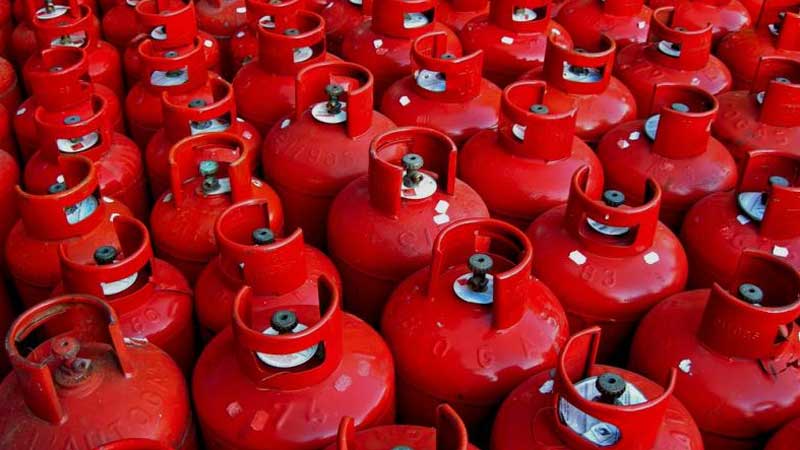
Bangladesh’s ongoing Liquefied Petroleum Gas (LPG) shortage could ease ahead of Ramadan, although a complete resolution cannot be guaranteed due to persistent disruptions in the global market, Power and Energy Adviser Muahmmad Fouzul Kabir Khan has said.
Demand for LPG has risen sharply in recent weeks because of the election period and the approaching month of Ramadan, prompting operators to step up import efforts.
However, geopolitical tensions—particularly involving Iran and Russia—have made imports more difficult and costly, industry insiders say.
The issue was discussed at a meeting on Tuesday at Rail Bhaban between Power Energy Adviser Muhammad Fouzul Kabir Khan and LPG operators.
According to business representatives present, the adviser acknowledged that while steps were being taken to improve supply, it was difficult to say definitively that the shortage would be fully resolved before Ramadan.
Following the meeting, the Energy and Mineral Resources Division said in a press statement that the government had held talks with LPG businesses and expressed optimism that the supply situation would improve before Ramadan.
Industry representatives cautioned, however, that unless conditions in Iran and Russia normalise, the shortage may not be fully eliminated. LPG is no longer as readily available on the international market as before, forcing importers to source supplies from alternative markets at much higher costs.
Azam J Chowdhury, chairman of the East Cost Group (Omera LPG), told reporters that national elections are scheduled for 12 February, followed closely by Ramadan. Election-related activities, particularly in rural areas, have boosted cooking fuel demand, with LPG sales rising by as much as 20,000 metric tonnes (25) percent. He said Omera was making its “maximum effort” to increase imports.
Bangladesh Energy Regulatory Commission (BERC) chairman Jalal Ahmed said LPG operators had made “positive commitments” at Tuesday’s meeting. If those commitments are met, he said, the shortage should ease before Ramadan.
Current monthly LPG demand in Bangladesh stands at around 140,000 to 160,000 tonnes, with usage increasing not only for household cooking but also in industry. Operators told the adviser that Bangladesh has been affected by shifts in regional supply, as countries such as India and China have previously relied on Iranian and Russian LPG. Iran’s internal problems have reduced exports, while India has cut back on Russian LPG purchases, pushing both countries to source from other international markets—intensifying competition for Bangladeshi importers.
As a result, shipping premiums have surged to $180–$190 per tonne, compared with $90–$110 previously, according to industry sources.
One business representative said January demand exceeded 160,000 tonnes, but imports up to 19 January totalled only about 95,000 tonnes.
Operators outlined expected January imports by major companies, including BEXIMCO Energy, Petromax, Jamuna, Omera, Lafarge Gas, Aygaz and Meghna, which together could bring in around 147,000 tonnes. For February, imports from 12 companies could reach about 184,100 tonnes, they said.
The BERC chairman said that if all promised shipments arrive, there should be no reason for the shortage to persist, though he added that the situation would need to be monitored closely.
Separately, five LPG companies, including Beximco, told at the meeting that Bangladesh Bank had instructed them to open 100 per cent cash letters of credit (LCs) for LPG imports. They said that if the cash margin requirement were reduced to 40–50 per cent, they would be better able to import LPG. The government is considering the request, officials said.
BPC imports
Meanwhile, Bangladesh Petroleum Corporation (BPC) chairman said on Tuesday that the Energy Division had approved the import of 100,000 tonnes of LPG. However, he noted that storage constraints and a lack of vessels were creating uncertainty over how quickly the imports could be arranged.
He said discussions were under way with private sector operators, but warned that BPC would need at least one to two months to bring in LPG—meaning it would be difficult to complete imports before the start of Ramadan.