


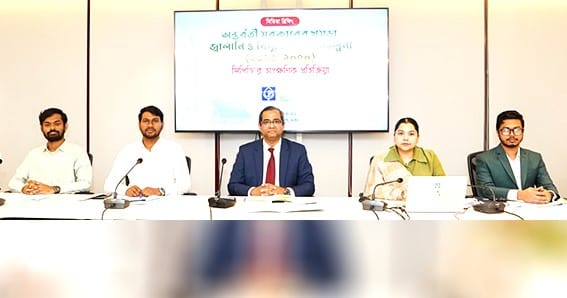
The Centre for Policy Dialogue (CPD) sees the proposed Energy and Power Sector Master Plan (EPSMP) 2025 as a “reverse journey” towards the same old costly fossil-fuel based solutions.
The Ministry of Power, Energy and Mineral Resources has drafted the master plan, which is awaiting to get nod from the Chief Adviser. The draft has not been made public, except for some media reports.
At a media briefing on Thursday, CPD said the new plan eyes to intensify costly LNG import through setting up new FSRUs while emphasis has been put on coal power, even through local coal extraction, sidelining renewable energy.
It sees no logic behind the move to set up new LNG terminals spending nearly $25-30 billion when the country needs low-cost solutions. It said the planned cut in subsidies will only shoot up power and energy prices in the country.
The think tank warned that this move might have reflections of the recent energy negotiations with some countries and the interest of some vested quarter, and it might put the country into a “viscous cycle” of costly energy and electricity for a long-term.
CPD Research Director Khondaker Golam Moazzem said “We’re sensing a reverse journey through this draft master plan as it has been prepared by the bureaucrats without involving the experts.”
He questioned the rationale behind enhancing the use of local coal and estimating nearly 60,000MW of power demand by 2050 against independent estimates of nearly half of that overestimated demand.
“The chances of growing energy-intensive heavy industry are very thin for Bangladesh by 2050. The country is suitable for less energy consuming service-oriented and labour-intensive industries,” he pointed out.
Dr Moazzem also strongly criticised the move to cut regional energy import, saying that it will close the door for low-cost power import, especially renewable power, from the neighbouring countries. He believes that regional power trade is also important for exporting additional electricity from Bangladesh.
CPD has called for halting the entire EPSMP formulation process and deferring it until national elections to allow an elected government to initiate a fresh and inclusive planning exercise.
Delivering the keynote presentation, CPD senior research associate Helen Mashiyat Preoty said the draft eyes to lower energy and power sector subsidies and gradually increase gas prices, which indicates that the consumers have to bear that burden.
She suggested that the government’s subsidy burdens could have been lowered the slashing capacity payments.
Like the existing controversial plan, the new plan has not given any clear pathway about renewable energy as the controversy regarding the definition of such type of energy continues in the new plan that included hydrogen and ammonia in it, she noted.
Preoty added that smart grid implementation has been pushed back to 2040, even though the existing grid cannot accommodate more than 20% variable renewable energy.
Instead, technical issues like carbon credit has been introduced in the new plan without doing enough background study, allowing carbon emission.
“These investments are expensive and weaken long-term energy security,” Preoty said, calling on policymakers to move away from coal and LNG expansion and instead prioritise renewable energy.
The CPD urged the government to drop all proposals for new coal-fired power stations, introduce a time-bound plan to retire existing coal plants, suspend new LNG terminal developments, and channel funding into domestic gas exploration.
It also advocated redefining renewable energy to emphasise established sources such as solar and wind, focusing on high-potential areas including Chattogram, and incorporating regional renewable energy cooperation—especially cross-border electricity imports from Nepal and Bhutan—which it said the draft plan largely fails to address.