


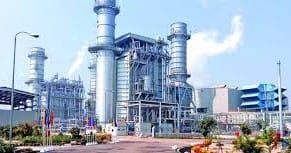
Bangladesh’s Power Division has outlined five major challenges that must be addressed to ensure an uninterrupted electricity supply during Ramadan and the forthcoming hot summer months.
The issues were presented by Power Division Secretary Farzana Momtaz at the first official meeting of newly appointed Power, Energy and Mineral Resources Minister Iqbal Hasan Mahmud Tuku and the state minister at the ministry’s conference room on Tuesday afternoon.
Gas Shortfall Hampers Generation
Foremost among the concerns is the acute shortage of natural gas. The Bangladesh Power Development Board (BPDB) currently receives less than 850 million cubic feet per day (mmcfd) of gas, against a minimum requirement of 1,200 mmcfd during peak summer demand.
As a result, gas-fired generation is forecast at only 4,900MW, despite an installed gas-based capacity of 12,204MW. Overall installed power generation capacity stands at 28,504MW, according to officials.
The division has also sought timely subsidy payments for joint venture power plants to facilitate coal imports and maintain stable output.
Subsidy Constraints
Officials said the government has so far disbursed Tk 16,600 crore of the Tk 38,600 crore allocated in power subsidies for the current fiscal year. In the previous fiscal year, subsidies reached Tk 68,000 crore after the interim administration refrained from revising tariffs despite mounting costs.
During a recent review by the International Monetary Fund, officials indicated that a politically elected government would need to take a decision on tariff adjustments to ease the subsidy burden. Energy experts at a February 3 dialogue organised by Just Energy News also urged tariff rationalisation to a tolerable level.
The Power Division has further recommended extending subsidy coverage to government-owned oil-fired power plants to help manage summer demand.
Mounting Dues and Project Delays
Another major challenge is the recovery of significant outstanding electricity bills from public and private sector entities.
Officials also highlighted uncertainty surrounding the timely supply of electricity from the Rooppur Nuclear Power Plant.
Subsidy payments to the 1,320MW Maitree Super Thermal Power Plant in Rampal and the 1,320MW Payra Power Plant have been suspended since August 2025 due to the absence of approval from the Cabinet Committee on Government Purchase. The Finance Division has reportedly blocked more than Tk 4,000 crore in payments related to the two plants.
Revised tariff determinations have also been delayed pending clearance from lenders, although discussions remain ongoing. Officials told the minister that urgent steps are required to release subsidy funds to ensure uninterrupted supply.
Managing Peak Summer Demand
To curb peak demand during the summer, the division has proposed a series of demand-side measures. These include ensuring a minimum gas supply of 1,200 mmcfd by Petrobangla to off-grid plants, setting air conditioning units at 25C or above, and restricting irrigation pumps during peak hours.
If irrigation load can be shifted to midnight and early morning hours, evening peak demand could be reduced by up to 2,000MW, officials said.
Other recommendations include encouraging the public to limit electricity use during peak periods, closing CNG filling stations during evening peaks, promoting energy-efficient irrigation practices and expanding the Agriculture Ministry’s “Alternate Wetting and Drying” method to conserve both electricity and water.