


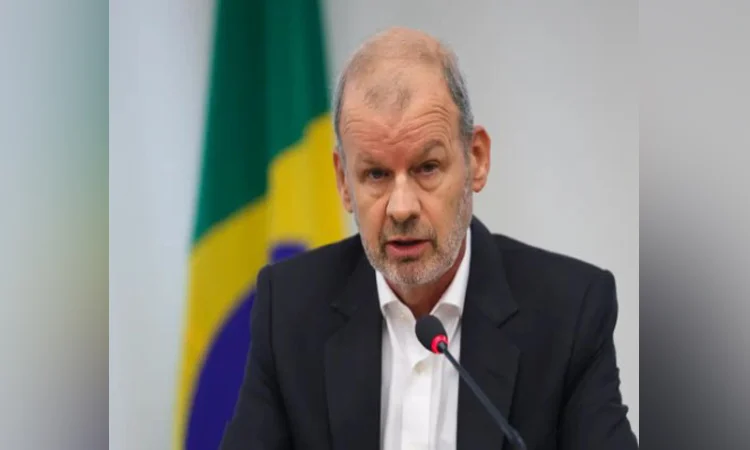
Nearly half of Bangladesh’s working-age youth failed to secure jobs over the past decade, underscoring the urgency of reforms and investment in employment generation, said World Bank Vice President Johannes Zutt.
Zutt made the remarks while concluding a three-day visit to Bangladesh, during which he reaffirmed the lender’s commitment to supporting large-scale job creation, particularly for youth and women.
“In the past decade, around 14 million young people entered the labour market, competing for only 8.7 million jobs. This means nearly half did not find employment,” Zutt said, noting that young women face even greater barriers.
During the visit, he met the finance and planning minister, commerce minister, the prime minister’s adviser on finance and planning, and the Bangladesh Bank governor. The discussions focused on the government’s development priorities and areas where the World Bank Group can extend support.
Zutt said the government’s emphasis on job creation, skills development and investment aligns with the World Bank’s priorities. “We are stepping up our focus on supporting the government’s agenda of creating jobs at scale,” he added.
He also stressed that long-pending macroeconomic and financial sector reforms must be implemented urgently to address structural constraints to growth and employment, especially amid increasing global uncertainties.
The World Bank said it is working to help countries turn economic growth into local jobs by investing in infrastructure and human capital, improving the business climate, and mobilising private investment.
A long-standing development partner, the World Bank has committed more than $46 billion to Bangladesh since independence in the form of grants, interest-free loans and concessional financing.