


SS Power-1 Limited, the operator of a 1,320MW coal-fired power plant in Bangladesh and majority-owned by S Alam Group, is facing a mounting liquidity crisis to import coal as unpaid bills for electricity supplied to the national grid have reached around Tk37.2 billion.
Company officials said approximately Tk30 billion of the outstanding amount is overdue, with the remainder comprising more recent unpaid bills. The total is equivalent to more than three months of the plant’s electricity billing, placing increasing pressure on its ability to finance coal imports and maintain uninterrupted generation.
“We are facing difficulties in continuing coal imports because of the liquidity crisis,” Ebadat Hossain Bhuiyan, chief financial officer of SS Power-1, told Just Energy News.
The company currently has only enough coal in stock to operate for around one day, the official said.
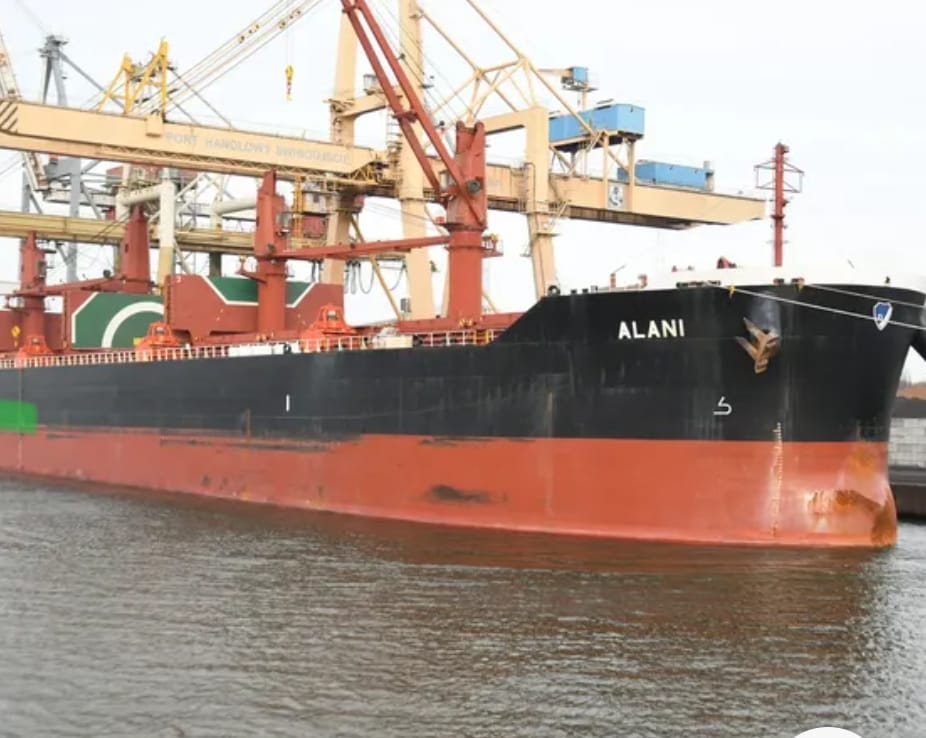
SS Power-1 is due to unload a coal shipment of around 60,000 tonnes on Friday. Four further cargoes, each carrying between approximately 59,350 and 60,500 tonnes, are scheduled to arrive between 27 August and 1 September.
However, the company must arrange payment before the vessels can be unloaded, according to officials.
Each shipment will require around US$6.5 million to be released and unloaded. In total, the company will need approximately US$20 million to handle the coal cargoes currently in the pipeline, officials said.
Based on an average daily consumption of about 13,000 tonnes of coal, the plant’s available and expected supplies would be sufficient to keep it running for roughly 24 days, Mr Bhuiyan said.
The financial pressure comes despite fresh regulatory support from Bangladesh Bank aimed at helping the power station maintain its fuel supply.
The central bank has authorised state-owned Rupali Bank to release $3.2 million from the remaining portion of a previously approved syndicated foreign-currency loan for the SS Power-1 project.
The approval covers exactly $3,197,561.28 remaining under the long-term syndicated financing arrangement and is not intended to support the opening of a new letter of credit, a company official said.
Bangladesh Bank has also exempted the facility from restrictions under Section 27Ka(3) of the Bank Company Act, which limits banks’ ability to provide certain financial facilities to companies classified as loan defaulters.
The decision follows another directive issued on 16 August allowing Rupali Bank to open import letters of credit for SS Power-1 against a 100% cash margin. The arrangement will remain effective until December 2027.
Officials familiar with the matter said the central bank had taken the decision because SS Power-1 remains operational and continues to supply electricity to the national grid. Any prolonged disruption to coal imports could force a reduction or suspension in generation, potentially adding to pressure on Bangladesh’s power supply.
SS Power-1 operates a 1,320MW coal-fired power station at Gandamara in Banshkhali, Chattogram. The project comprises two 660MW generating units and began commercial operations in September 2023.
The plant was developed as a joint venture between Bangladesh’s S Alam Group and two Chinese companies. S Alam Group holds a 70% stake, while China’s SEPCO III and HTG Development Group together own the remaining 30%.
The power station’s financial difficulties come amid broader concerns over the debts of companies associated with S Alam Group. Bangladesh Bank data show that borrowing by the group’s various companies and related entities exceeds Tk2.25 trillion, with a substantial portion classified as non-performing or in default.
The growing backlog in payments to SS Power-1 raises concerns over whether one of Bangladesh’s largest coal-fired power plants can continue securing sufficient fuel to maintain full-scale electricity generation unless outstanding bills are cleared or alternative financing is arranged.
The situation has become more significant amid pressure on Bangladesh’s gas supply. Officials said the state-owned Bangladesh Power Development Board (BPDB) has increased reliance on coal-fired generation to compensate for gas shortages. However, overdue payments to power producers are also affecting the ability of some coal-fired plants to procure fuel and sustain generation.