


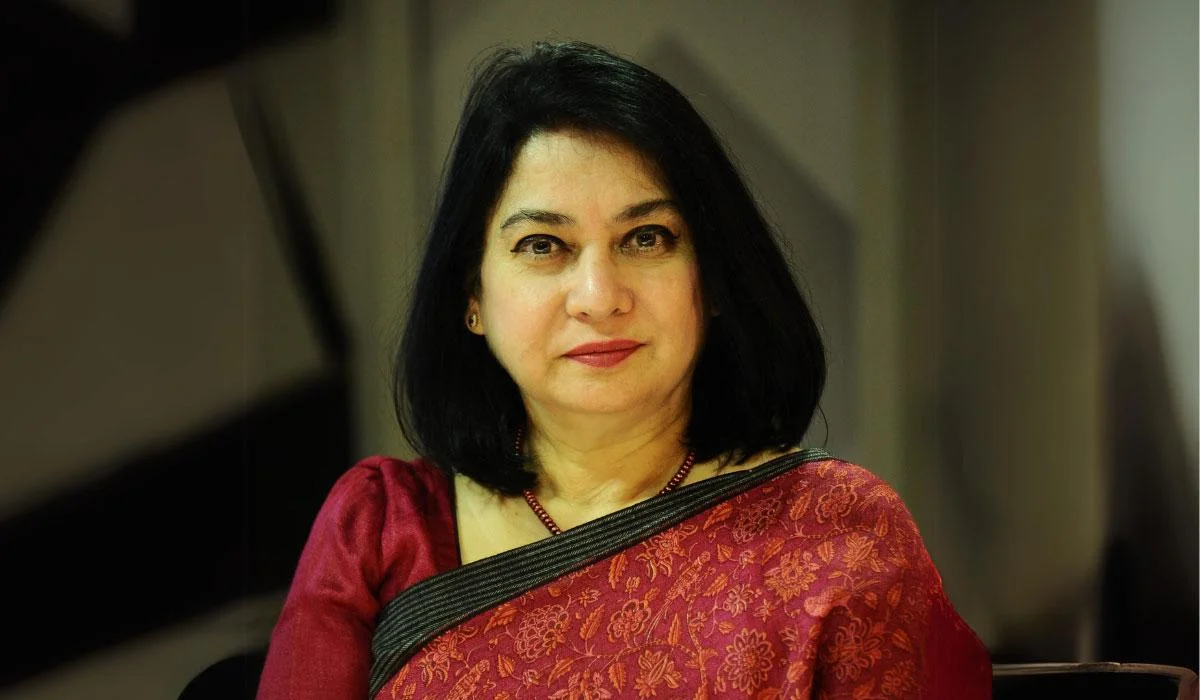
Political stability has returned to Bangladesh, but investor confidence has yet to recover, holding back new investment, Centre for Policy Dialogue (CPD) Distinguished Fellow Fahmida Khatun said on Wednesday.
“Political stability has returned, but confidence has not,” she said, attributing the lack of investment largely to the continuing uncertainty and weaknesses in the economy.
Khatun was speaking as a special guest at a seminar titled “Economic Context and Emerging Challenges: Priorities for the Future”, jointly organised by the Economic Reporters’ Forum (ERF) and the CPD in Dhaka.
She said a large volume of non-performing loans accumulated during the previous Awami League government was now coming to light, putting the banking sector under severe pressure.
Interest rates also remain high, while the government has increasingly had to rely on bank borrowing to finance its operations, she said.
Khatun also highlighted Bangladesh’s low tax-to-GDP ratio, noting that around 45% of government revenue is spent on salaries and allowances.
“The government is under pressure to increase revenue,” she said, adding that higher revenue collection would be essential to finance development activities.
On inflation, Khatun said the rate had declined somewhat last month, but cautioned against interpreting the one-month decline as a sustained improvement.
Even if inflation falls, the overall price level remains high, meaning the decline may not translate into any significant relief in people’s day-to-day lives, she said.
National Professor Dr Mahbub Ullah said extortion effectively acts as a form of taxation, but the proceeds go to extortionists rather than the state.
He called for measures to bring such money into the government treasury.
Mahbub Ullah also said money looted from banks was contributing to inflation. He alleged that some of the funds had been siphoned abroad through hundi, while money taken in local currency remained in the country and was subsequently entering circulation, putting further pressure on prices.
Fazlul Haque, administrator of the Federation of Bangladesh Chambers of Commerce and Industry (FBCCI), said the country currently had adequate stocks of essential commodities and that there was little likelihood of prices rising during the coming Ramadan.
He stressed, however, the need to closely monitor market supply.
Keeping existing factories operational should be the government’s immediate priority, Haque said, noting that entrepreneurs had been bearing additional costs to keep their businesses running.
“If these factories close, the country will face a major problem,” he said.
Haque also called for greater focus on energy-dependent investment and suggested bringing additional furnace oil- and coal-fired power plants into operation alongside gas-based power generation.
ERF President Daulat Akhtar Mala chaired the seminar.