


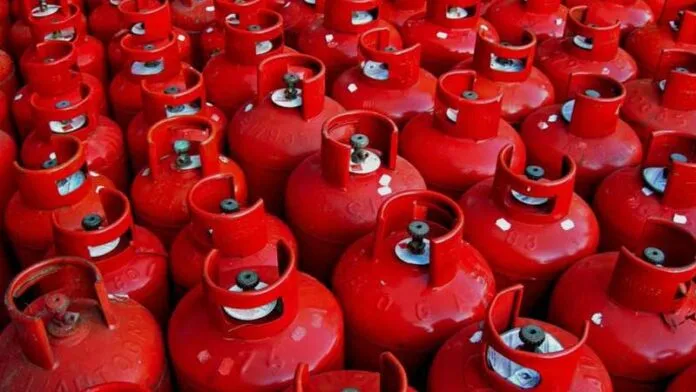
The Consumers Association of Bangladesh (CAB) has urged the authorities to ensure that liquefied petroleum gas (LPG) is sold at officially fixed prices without increases in product prices or associated charges, warning that further rises would intensify financial pressure on low- and middle-income households.
The consumer rights organisation has also called for investigations into allegations of artificial shortages, concealed stocks and overcharging, demanding effective action against importers, distributors and retailers found responsible.
The appeal comes ahead of a public hearing scheduled for October 29, 2026, by the Bangladesh Energy Regulatory Commission (BERC) on proposed changes to the prices of state-owned and private-sector LPG.
In a letter sent to the BERC chairman on October 26, CAB president AHM Shafiquzzaman said any further increase in prices and associated charges, without first ensuring supplies at the existing regulated rates, would place an additional burden on household budgets.
According to the letter, the price of a 12kg LPG cylinder was increased by Tk252 to Tk1,837 on October 4. However, media reports indicate that consumers are being forced to pay Tk500–600 more than the officially set price to obtain a cylinder.
LPG is an essential cooking fuel for households without access to piped natural gas. CAB said low- and middle-income families were already struggling to meet the rising costs of food, housing, healthcare, education and transport, leaving little room for additional expenditure on cooking fuel.
The association argued that enforcing existing price regulations should be the immediate priority rather than approving further increases.
CAB challenges proposed cost increases
CAB has called for importers’ claims of rising costs to be scrutinised against actual transaction documents and audited accounts.
It argued that increases in international LPG prices did not necessarily translate into equivalent rises in domestic transportation, storage and distribution costs. Consequently, higher import prices alone should not justify increases in charges and commissions throughout the supply chain.
The association also warned against including the same costs more than once in price calculations or passing the financial consequences of operational inefficiencies on to consumers.
CAB has put forward seven demands ahead of the BERC hearing.
First, the regulator should take effective measures to ensure that LPG cylinders are sold to consumers at officially fixed prices, without increases in product prices or associated charges.
Second, allegations of artificial shortages, concealed stocks, restricted supplies and overcharging should be investigated. Operators, distributors and retailers found responsible should face punitive action, including cancellation of licences where necessary.
Third, proposals to increase charges and commissions should not be approved unless their necessity is established through audited accounts and independent technical assessments. Unjustified costs and excessive profits should be excluded from regulated prices.
Fourth, the authorities should publish separate breakdowns of import costs and charges for storage, bottling and distribution. Consumers should also receive the benefits of any reductions in international market prices without undue delay.
Fifth, state-owned LPG should be assessed separately in terms of costs, with transparent allocation and distribution arrangements to ensure that ordinary consumers can obtain supplies at affordable prices.
Sixth, all sales outlets should display updated price lists and provide receipts. Clear rules should govern transportation and home-delivery charges to prevent unauthorised collections.
Finally, consumers should have access to a straightforward complaints mechanism covering overcharging, cylinder shortages, underweight cylinders and safety concerns, with remedies provided within specified time limits.
Regulator urged to consider consumer experience
CAB has urged BERC to consider consumers’ real-world experiences alongside applicants’ proposals and the commission’s technical assessments during the public hearing.
It has also called for a clear explanation of the costs accepted or rejected in the final pricing decision and how objections raised during the hearing have been addressed.
The association said the priority should be to enforce existing regulated prices, ensure adequate supplies and prevent artificial shortages and excessive charges, rather than imposing further financial pressure on households.