


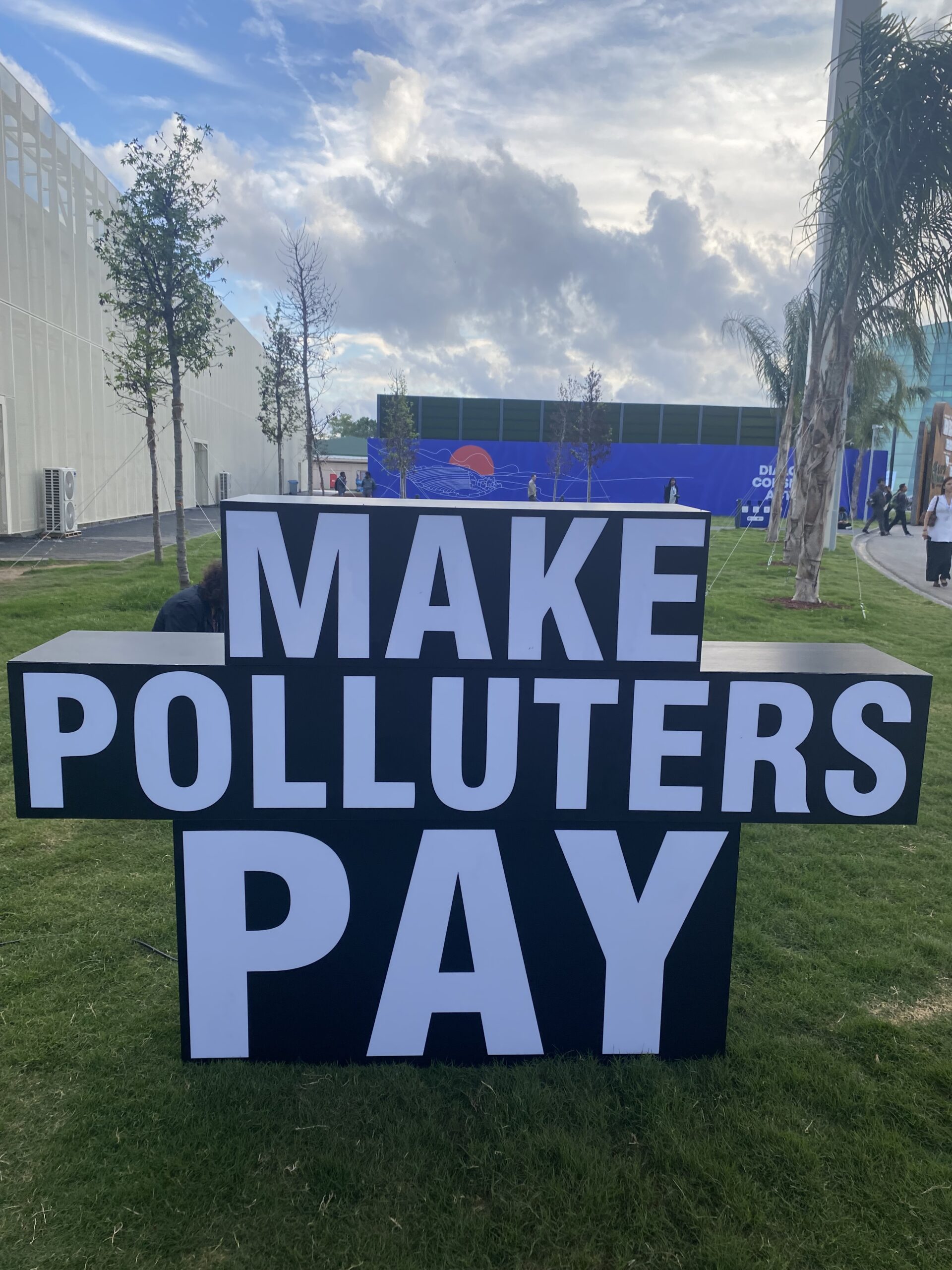
ANTALYA, Türkiye, November 14: Civil society representatives from the Global South have called on developed countries to fulfil their climate financing obligations, arguing that nations bearing the greatest historical responsibility for climate change must also shoulder the financial burden of addressing its impacts.
At a press conference at COP31 in Antalya on Saturday, representatives expressed concern that an initiative to include the proposed tripling of adaptation finance as a separate agenda item had failed to secure consensus among participating countries.
Although discussions are continuing under the existing agenda, there is still no clear agreement on the volume, sources, timeline or implementation framework for the proposed increase.
The representatives urged COP31 to deliver a concrete roadmap, measurable targets, transparent financing arrangements and an effective accountability mechanism to turn the commitment to triple adaptation finance into reality.
They said the climate summit must move beyond making promises and become a forum focused on implementation and accountability.
They also called on developed countries to meet their obligations under Article 9.1 of the Paris Agreement to provide financial support for climate action in developing countries, based on their historical responsibility and economic capacity.
The representatives further urged major emitting countries to align their nationally determined contributions (NDCs) with the 1.5C temperature goal, deliver rapid and substantial emissions reductions and ensure a fast, orderly and just transition away from fossil fuels.
They also demanded new and additional, adequate, predictable and grant-based funding to address loss and damage, alongside direct access to finance, faster disbursement and simpler, transparent procedures for affected countries and communities.
The demands were presented at a press conference titled ‘Implementing the Paris Agreement and Delivering Global Climate Finance Commitments for Climate-Vulnerable Communities’, held at 9am local time in Press Conference Room 2, Area D-4, at the COP31 venue.
The event was jointly organised by Bangladesh’s COAST Foundation, India’s Movement for Advancing Understanding of Sustainability and Mutuality (MAUSAM), and LEADERS Bangladesh.
Speakers included Soumya Dutta of MAUSAM, India; M A Hasan of COAST Foundation, Bangladesh; Prayas Adhikari of the People’s Movement for Climate Justice, Nepal; Thilak Kariyawasam of FIAN, Sri Lanka; Ajay Kumar of Pauravi, India; and Mohan Kumar Mondal of LEADERS Bangladesh.
Soumya Dutta said South Asian countries were suffering extensive losses from climate-related disasters, including devastating floods, whose impacts frequently extended beyond national borders.
Although the economic damage from such disasters ran into billions of dollars, he said, the grants announced by the international community remained far below actual requirements.
He said the gap exposed serious limitations in international humanitarian assistance and climate financing arrangements, calling for greater regional solidarity, cooperation and adequate financial support for affected countries.
Prayas Adhikari said the existing climate finance system was characterised by colonial-era patterns of power and control, forcing Global South countries to navigate complicated application, approval and disbursement procedures even as they faced mounting losses, displacement and destruction from droughts, floods and cyclones.
He called for an end to such arrangements and demanded adequate, accessible, rapid and direct financing for countries on the front lines of the climate crisis.
Ajay Kumar said the climate finance gap in the Asia-Pacific region exceeded $820bn, while only a small proportion of global climate finance reached the region.
More than 80 per cent of the funding received was concentrated in East Asia, leaving South Asia with a particularly limited share, he said.
This imbalance was worsening the difficulties faced by climate-vulnerable countries in securing the resources needed to address the crisis. He called for fair, adequate and direct climate financing for South Asia.
Thilak Kariyawasam said climate finance should primarily ensure that support reached vulnerable and marginalised communities directly.
Despite numerous funding commitments and financing mechanisms, resources were failing to reach people at the grassroots level, he said.
He questioned how existing arrangements could adequately address the needs of displaced people and communities deprived of healthcare, stressing the need for climate justice and an effective flow of funds directly to local communities.
Mohan Kumar Mondal called for climate-induced displacement to receive priority in loss and damage negotiations, alongside the establishment of dedicated financing mechanisms to address the needs of displaced populations.
He said planned relocation and resettlement must safeguard human rights, security and human dignity. Regional cooperation and information sharing should also be strengthened, while financing commitments must be translated into swift and tangible action.
M A Hasan of COAST Foundation said Article 9.1 of the Paris Agreement established a clear obligation for developed countries to finance climate action in developing nations.
“This is not charity or voluntary assistance; it is a responsibility recognised under an international agreement,” he said.
He noted that differences had emerged over the scope of this obligation and the sources of finance under the COP31 Climate Finance Work Programme.
Hasan stressed that private-sector financing could not replace developed countries’ obligations under Article 9.1, warning against shifting their responsibilities onto other sources of funding.