


Global renewable energy capacity surged to a record 5,149 gigawatts (GW) in 2025, following an annual increase of 692 GW, according to a new report from the International Renewable Energy Agency (IRENA). The 15.5% rise underscores the accelerating shift towards cleaner power, with renewables accounting for 85.6% of all new capacity added worldwide.
The findings, published in Renewable Capacity Statistics 2026 today, come at a time of renewed geopolitical uncertainty. Escalating tensions in the Middle East have once again placed energy security and fossil fuel price volatility in sharp focus, prompting governments to reassess their reliance on imported fuels.
Against this backdrop, renewable energy is increasingly viewed as a stabilising force. Unlike fossil fuels, renewables can be produced domestically, deployed rapidly and at comparatively low cost—factors that help shield economies from external shocks and fluctuating global markets.
IRENA Director-General Francesco La Camera said the continued growth highlights both market confidence and the resilience of clean energy systems. “In the midst of uncertain times, renewable energy remains consistent and steadfast in its expansion,” he said. “Countries that invested in the energy transition are weathering this crisis with less economic damage, as they boost energy security, resilience and competitiveness.”
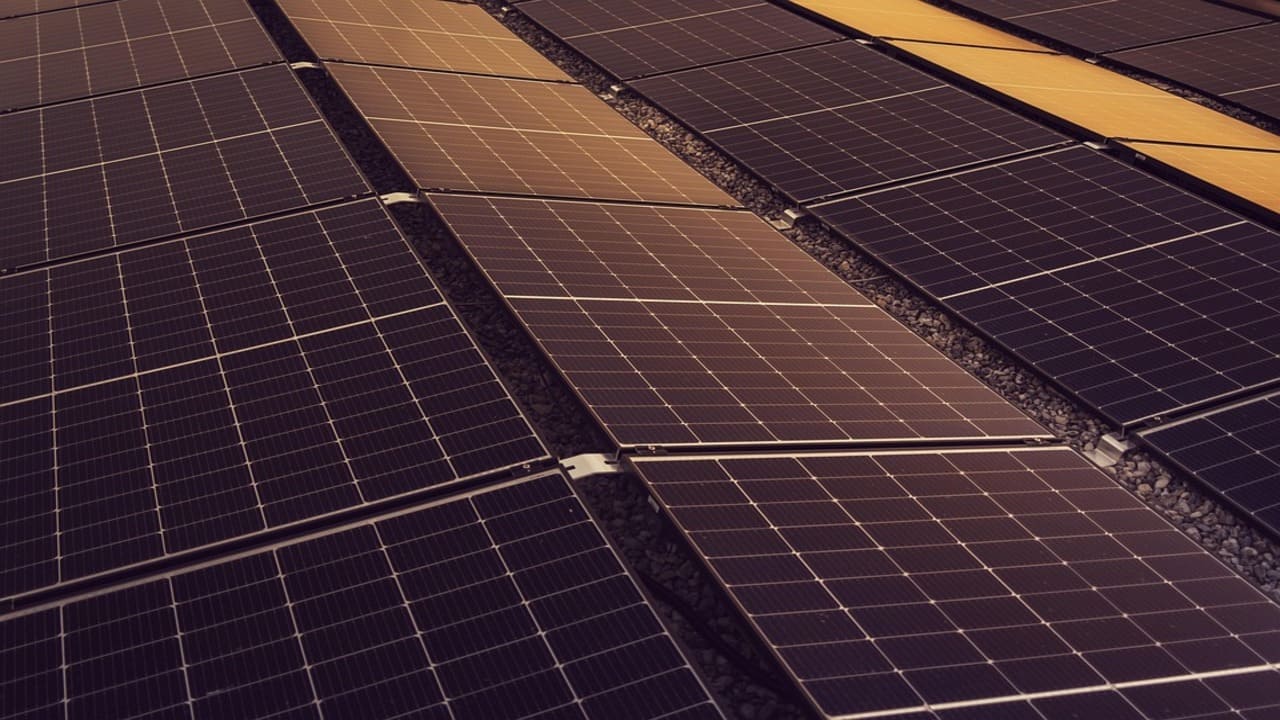
Solar power remained the dominant driver of growth, contributing 511 GW—around three-quarters of total renewable additions. Wind energy followed with 159 GW, meaning the two technologies together accounted for 96.8% of new capacity. Bioenergy saw more modest gains, adding 3.4 GW.
However, the report also highlights stark regional disparities. Asia led global expansion by a wide margin, contributing 74.2% of new capacity and reaching a total of 2,891 GW. Europe ranked second with 934 GW overall. Africa recorded its strongest growth to date, rising by 15.9%, while the Middle East saw the fastest regional increase at 28.9%.
By contrast, Central America and the Caribbean remain the least developed markets, with just 21 GW of total renewable capacity.
The uneven distribution underscores the vulnerability of regions with limited access to clean energy, raising concerns over long-term energy security and economic resilience. Analysts say closing this gap will be critical if countries are to reduce exposure to volatile fossil fuel markets and meet climate targets in the years ahead.