


Bangladesh’s power and energy sector remains largely stable, with the government insisting there is no overall electricity shortage, even as seasonal pressures and fuel market volatility continue to pose challenges.
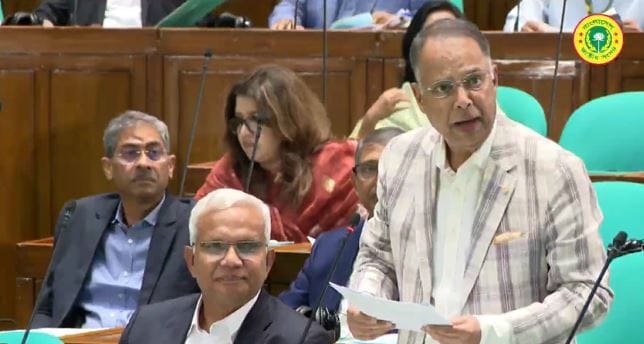
Speaking in parliament on Thursday, Power, Energy and Mineral Resources Minister Iqbal Hasan Mahmud Tuku outlined a range of developments across electricity supply, fuel distribution, gas production and international energy contracts.
Power Supply Stable, But Peak-Hour Disruptions Likely
The minister told lawmakers that electricity generation is currently sufficient to meet national demand. However, he cautioned that supply disruptions may occur during peak summer periods.
He attributed intermittent outages to a combination of factors, including higher seasonal demand, constraints in primary fuel supply, transmission and distribution bottlenecks, routine maintenance work, and weather-related disruptions.
“As demand surges in summer, it is not always possible to supply electricity fully in line with demand,” he said in a written response to a parliamentary query.
To mitigate disruptions, the government has rolled out a 180-day action plan, alongside longer-term strategies focused on expanding generation capacity, strengthening grid infrastructure and increasing the share of renewable energy.
Authorities have also tightened energy-saving measures, particularly in public and commercial spaces. These include maintaining air-conditioners at 25°C or higher, limiting decorative lighting and discouraging the use of high-energy appliances during peak hours. Monitoring teams have been deployed to enforce compliance in shopping centres and other high-consumption areas.
Fuel Supply Intact Despite Demand Spike
On fuel, the minister insisted there is no supply shortage, despite a sharp surge in consumption linked to recent geopolitical tensions involving Iran.
He said fuel stocks that previously lasted around a day and a half are now being sold within hours at filling stations—an indication of heightened demand rather than constrained supply.
“The fuel is being supplied as scheduled. The issue is the speed at which it is being consumed,” he said.
To maintain stability, the government is diversifying import sources and ensuring uninterrupted supply chains, with new shipments scheduled to arrive before existing stocks run out. Energy conservation directives—such as limiting unnecessary lighting and regulating air-conditioning—are also being reinforced.
Gas Output Rises as Exploration Accelerates
The minister said Bangladesh has secured daily gas availability of 243 million cubic feet, with around 120 million cubic feet currently being supplied to the national grid.
He pointed to ongoing efforts to boost domestic production through expanded exploration and well development. A plan is in place to drill and overhaul 117 wells within the next year, as part of a broader strategy to reduce dependence on imports.
Since 2022, 25 wells have been completed, contributing to current supply gains.
If all planned projects are successfully executed, the government expects to add up to 1,535 million cubic feet per day to the grid in the coming years.
Updated production-sharing contracts for onshore and offshore exploration under new 2026 frameworks are also nearing final approval.
Adani Power Deal Faces Renegotiation
The government is also reviewing its controversial power purchase agreement with India’s Adani Power Limited, signalling a possible renegotiation.
The deal, signed in 2017, has been flagged by a national review committee as being priced significantly above prevailing domestic and international rates.
The committee—comprising legal, financial and energy experts and led by a retired Supreme Court judge—recommended reassessing the agreement. Based on its findings, the government is now weighing options including renegotiation or international arbitration.
Focus on Stability Amid External Pressures
Taken together, the minister’s remarks highlight a multi-pronged strategy aimed at maintaining energy stability—combining demand management, increased domestic production, diversified imports and contract reforms.
While officials maintain that supply remains adequate, the reliance on conservation measures and emergency planning underscores the continued fragility of Bangladesh’s energy balance, particularly during periods of peak demand and global market volatility.