


Bangladesh’s leather industry is steadily losing competitiveness because of chronic policy neglect, unresolved environmental problems and weak institutional support, economists and industry leaders warned at a policy dialogue in Dhaka on Saturday.
The concerns were raised during a webinar titled “Is the Future of Bangladesh’s Leather Industry Losing Its Momentum?” organised by the Power and Participation Research Centre (PPRC) under its “Ajker Agenda” series.
Participants said the sector, which has long been considered a key area for export diversification and industrial growth due to its high value-addition potential, continues to suffer from environmental compliance failures, declining buyer confidence, limited investment and regulatory hurdles.
The webinar was moderated by Dr Hossain Zillur Rahman, executive chairman of PPRC and former adviser to the caretaker government.
Speakers included Professor Mustafizur Rahman, distinguished fellow at the Centre for Policy Dialogue (CPD); Md Tipu Sultan, chairman of the Bangladesh Finished Leather, Leathergoods and Footwear Exporters’ Association (BFLLFEA); Md Nurul Amin, chairman of Bangladesh Krishi Bank; and Shaheen Ahmed, president of the Bangladesh Tanners Association.
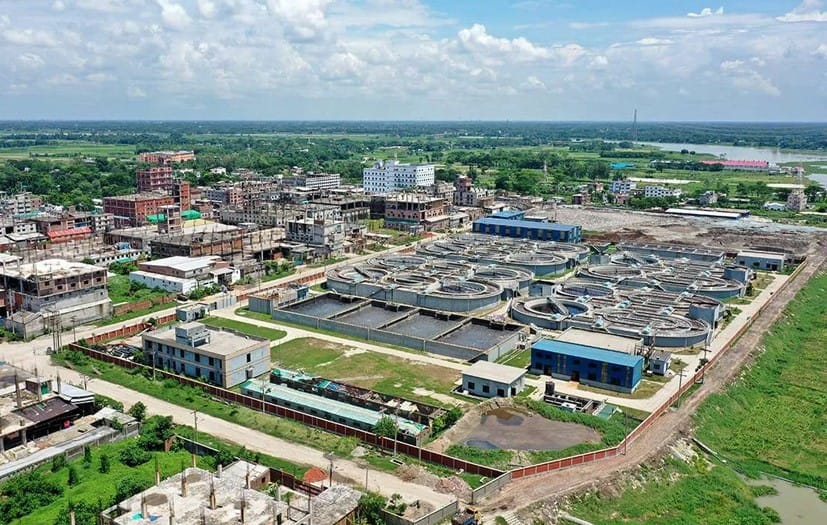
Industry representatives criticised the continued failure to complete environmental infrastructure at the Savar Tannery Industrial Estate years after tanneries were relocated from Hazaribagh.
Md Tipu Sultan said the relocation was carried out on the promise that proper environmental facilities would be installed, but many of those facilities remain incomplete.
“The environmental facilities that were the main reason behind the shifting from Hazaribagh to Hemayetpur are yet to be given to us,” he said.
According to him, the failure to ensure full environmental compliance has damaged the industry’s credibility among international buyers and led to the loss of export orders.
He added that smaller enterprises linked to the leather value chain were also facing financial losses, making expansion increasingly difficult.
Business leader Nasir Khan highlighted four major challenges facing the sector — complicated licensing procedures, tax-related harassment, poorly designed incentives and limited value addition.
Comparing Bangladesh with Vietnam, he said the country has yet to establish the policy environment needed to compete with leading global exporters.
He also criticised the tax regime, saying it discourages foreign companies from operating in Bangladesh unless they can secure unusually high profits.
“The tax system of our country is designed in such a way that, in most cases, it drives out large companies unless they can make substantial profits here,” he said.
Prof Mustafizur Rahman warned that Bangladesh could face further challenges in export markets if it fails to prepare for new environmental standards, including the European Union’s Carbon Border Adjustment Mechanism (CBAM).
“Bangladesh must prepare for CBAM, as failure to meet new environmental standards could weaken the competitiveness of our exports,” he said.
Experts also pointed to major losses in the domestic leather supply chain caused by poor preservation and storage practices, particularly during Eid-ul-Azha when millions of animal hides are collected across the country.
Prof Abdus Sattar Mondal called for reducing leather waste by at least 50 percent within the next year and strengthening monitoring throughout the supply chain.
Mosaddequl Haque said hides are still frequently dumped on roadsides after Eid, even in affluent areas, causing severe deterioration in quality.
“Hides must be salted immediately after slaughter to preserve their quality and prevent unnecessary losses,” he said.
Md Nurul Amin called for stronger government intervention in hide collection, preservation and supply-chain management.
“With the help of the government, we must ensure that hides are not wasted,” he said.
He proposed transferring management of the central effluent treatment plant (CETP) at Savar from the Bangladesh Small and Cottage Industries Corporation (BSCIC) to either the Bangladesh Investment Development Authority (BIDA) or the Bangladesh Export Processing Zones Authority (BEPZA).
He also urged the removal of barriers to the sale of Hazaribagh tannery land to ease financial pressure on industrialists and called for effective targeting of Bangladesh Bank’s Tk 100,000 crore stimulus package for the sector.
Concluding the discussion, Dr Hossain Zillur Rahman said the relocation of tanneries from Hazaribagh was intended to protect the Buriganga River, yet pollution continues to affect both the Buriganga and the Dhaleshwari rivers.
“Our one-dimensional good intentions may not end up bringing good in the end,” he said.
He stressed that future policy interventions must consider environmental, economic and institutional consequences together to ensure the long-term sustainability of Bangladesh’s leather industry.