


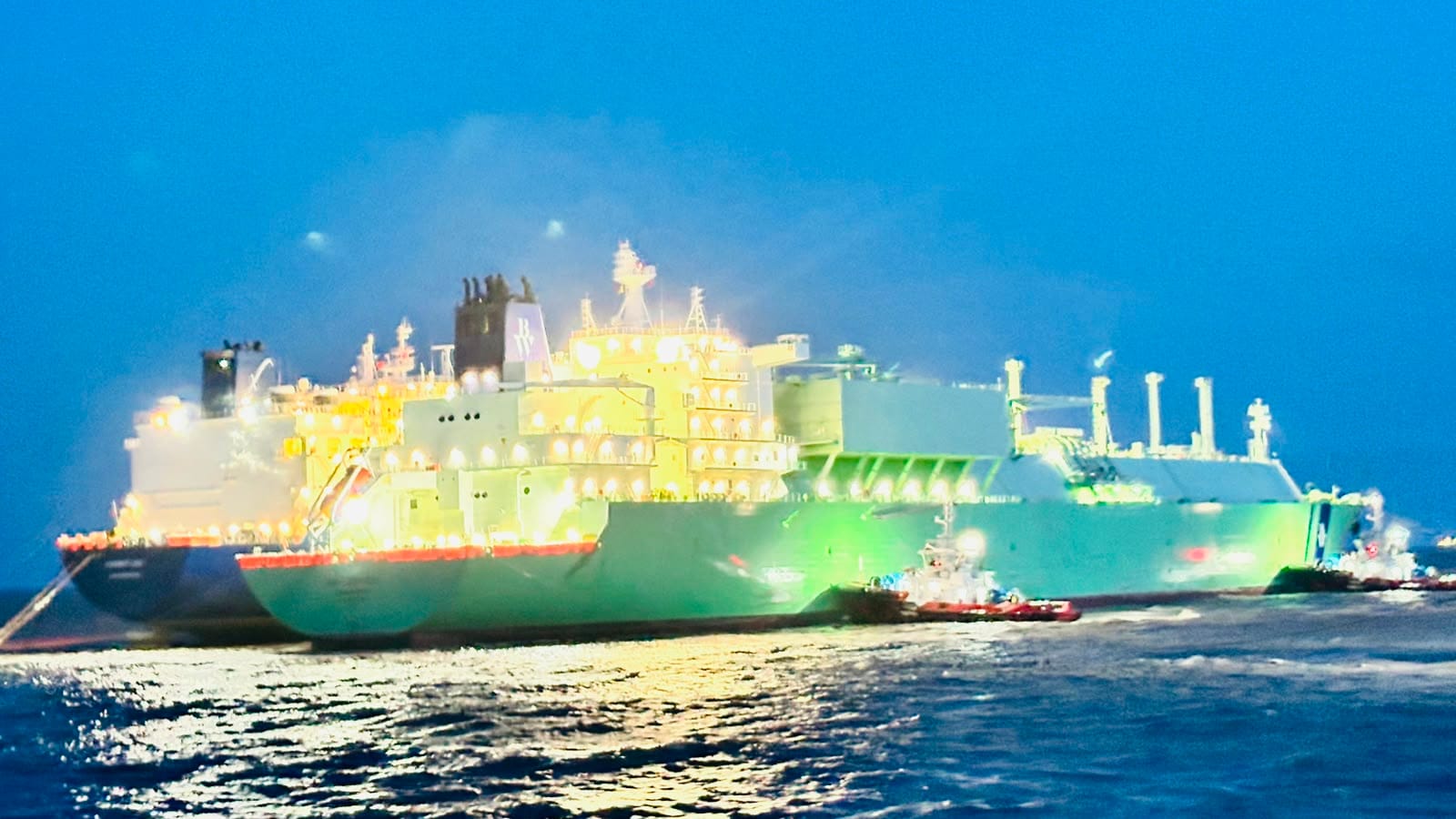
Bangladesh’s Cabinet Committee on Economic Affairs (CCEA) has given policy approval to procure 14 liquefied natural gas (LNG) cargoes from seven companies through the Direct Procurement Method (DPM), as the government moves to safeguard domestic gas supplies.
The Energy and Mineral Resources Division proposed the procurement to ensure normal gas supply and maintain energy security, particularly during emergencies. The approval was granted under the relevant provisions of Bangladesh’s Public Procurement Act and Public Procurement Rules.
Separately, the Cabinet Committee on Government Purchase (CCGP) recommended approval for the purchase of one LNG cargo at $23.93 per MMBtu from Aramco Trading Singapore Private Limited through international quotation. The cargo is scheduled for delivery on September 1–2.
The decisions underscore Bangladesh’s efforts to secure additional LNG supplies amid concerns over uninterrupted domestic gas availability.
Other decisions
The CCGP also recommended extending technical assistance from Mitsubishi Heavy Industries (MHI) of Japan for another year to ensure uninterrupted production at the Ghorashal-Palash Urea Fertilizer Project.
The proposed technical assistance will cost Tk 39.53 crore.
The CCEA also approved a proposal from the Industries Ministry for the Bangladesh Chemical Industries Corporation (BCIC) to sign an agreement with Fertiglobe Distribution Limited of the UAE for importing urea fertiliser under the annual procurement arrangement for fiscal year 2026-27.
It also gave policy approval to a proposal concerning the same project for engaging MHI, the project’s general contractor, to provide technical assistance for daily production and maintenance operations.
The engagement will be made under the Technical Service (Phase-2) contract through a single-source selection method.
The Economic Affairs Committee also approved in principle the procurement of 40 driving simulators for use as office and training equipment at 40 technical training centres under a project being implemented by the Bureau of Manpower Employment and Training (BMET).
The procurement will be made through the Direct Procurement Method under the Ministry of Expatriates’ Welfare and Overseas Employment.