


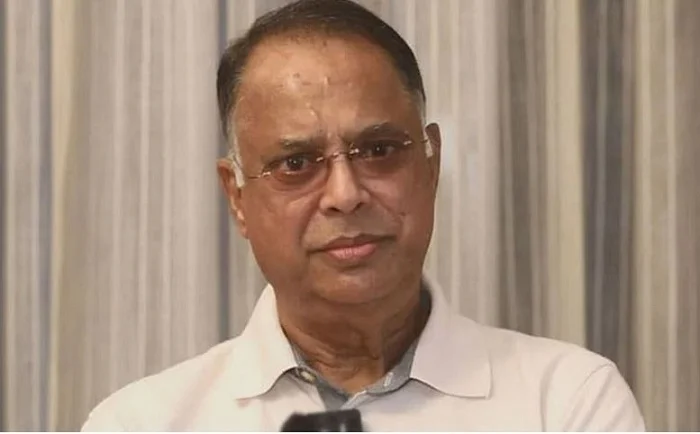
Power, Energy and Mineral Resources Minister Iqbal Hasan Mahmud Tuku, has described power purchase agreements signed with India and other foreign and private-sector entities during the tenure of the former Awami League government as a “serious threat” to the country’s independence and sovereignty.
Speaking to journalists at his office in the Secretariat on Tuesday, the minister said the power sector is closely linked to national sovereignty.
He accused the previous administration of failing to treat the issue with due importance and of entering into a series of agreements that he claimed were contrary to the national interest.
Responding to questions on the country’s electricity situation, the energy crisis, LNG imports and outstanding payments to private power producers, Mr Mahmud said power purchase agreements are directly connected to national sovereignty. In many cases, he argued, such contracts effectively require sovereignty to be placed as a form of guarantee. On matters of such importance, he said, the former government had not exercised sufficient caution. He further alleged that most agreements signed in the power sector under the Awami League were against Bangladesh’s national interests.
The minister said the policy of the Bangladesh Nationalist Party (BNP) government had been to strengthen domestic capacity in the power and energy sectors. Despite the country having sufficient generation capacity, he claimed, decisions were taken to import electricity and rely on the private sector, moves he described as contrary to sovereignty.
He added that the new administration has initiated a review of all power agreements signed under the previous government, including the deal with India’s Adani Group. The government, which has only recently taken office, will examine each contract with the public interest as its foremost priority, he said. Any agreements found to be detrimental to the country would be addressed accordingly.
Asked about arrears owed to private power generation companies, Mr Mahmud noted that the current government has been in office for only seven days. The outstanding payments, he said, did not accumulate overnight and the actions of the previous administration during that period should also be taken into account. The matter is now under review.
In response to another question, he said the country’s independence had effectively been handed over to certain vested groups, and that these issues must be reassessed in order to move towards a solution. A committee has already completed its work and submitted a report, he added.
On the prospect of legal complications, the minister said the government was keen to resolve matters through discussion. However, if any party sought redress through the courts, the government would have to engage with the legal process.
Reiterating the administration’s commitment to renewable energy, Mr Mahmud said its primary objective is to ensure affordable, high-quality energy and an uninterrupted electricity supply for the people.