


State-owned Bangladesh Petroleum Corporation (BPC) is not worried about the Iran-Israel conflict in the short term, as Bangladesh has already completed deals with suppliers for refined oil imports until June 2026 through both government-to-government agreements and the tendering process.
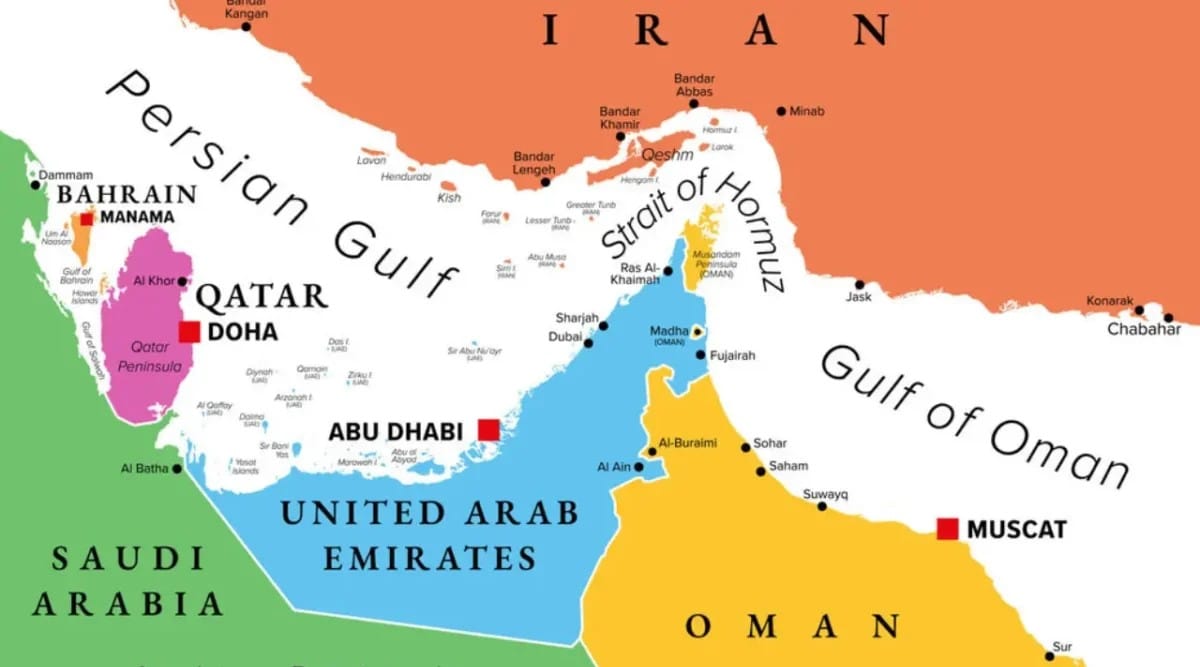
Moreover, fuel supply is expected to remain uninterrupted even if the Strait of Hormuz is closed due to the ongoing Iran-Israel conflict, as the country has been avoiding the route since last year’s tensions, a top official said.
“We are avoiding the Strait of Hormuz for importing required petroleum fuels until June,” Bangladesh Petroleum Corporation (BPC) chairman Md Rezanur Rahman told Just Energy News in an immediate reaction to the Iran-Israel conflict.
He expressed hope that the government’s procurement of refined oil from four countries—China, Malaysia, Indonesia and Singapore—would remain unaffected by the conflict.
However, Bangladesh will continue importing crude oil from Saudi Arabia and Abu Dhabi, with shipments also planned to avoid the Strait of Hormuz.
Despite the expected continuity of supply, BPC officials expressed concern over a potential escalation in fuel prices if the war is prolonged.
“We have already settled the premium for fuel imports, but fuel tariffs might increase if the war continues,” Mr Rahman said.
He added that BPC currently holds about one month’s stock of various fuels in line with its storage capacity.
Dr AKM Azadur Rahman, Director (Operations & Planning) and Joint Secretary, echoed the chairman’s remarks. He said Bangladesh is projected to consume around 6.8 million metric tonnes of fuel in 2026.
In 2025, BPC identified an alternative supply route via the Fujairah terminals in Abu Dhabi. The corporation plans to import 1.4–1.5 million metric tonnes of crude oil annually through the Fujairah route if the Strait of Hormuz becomes inaccessible.
Bangladesh annually imports crude oil worth approximately $1.05bn from Saudi Arabia and Abu Dhabi, with the Strait of Hormuz historically serving as a key transit point. “We only use the Strait of Hormuz for crude oil shipments,” another official said.
Fuel tariff adjustment on the table
BPC indicated that domestic fuel tariffs may be revised if the conflict persists and international prices remain elevated. At present, the corporation spends between $450m and $500m per month to import and refine petroleum products.
Strategic reserves ensure short-term stability
Despite global uncertainties, Bangladesh is prepared for short-term supply disruptions. “We have a strategic reserve of crude oil sufficient for 30 days, and several vessels are currently in the pipeline,” the BPC chairman said.