


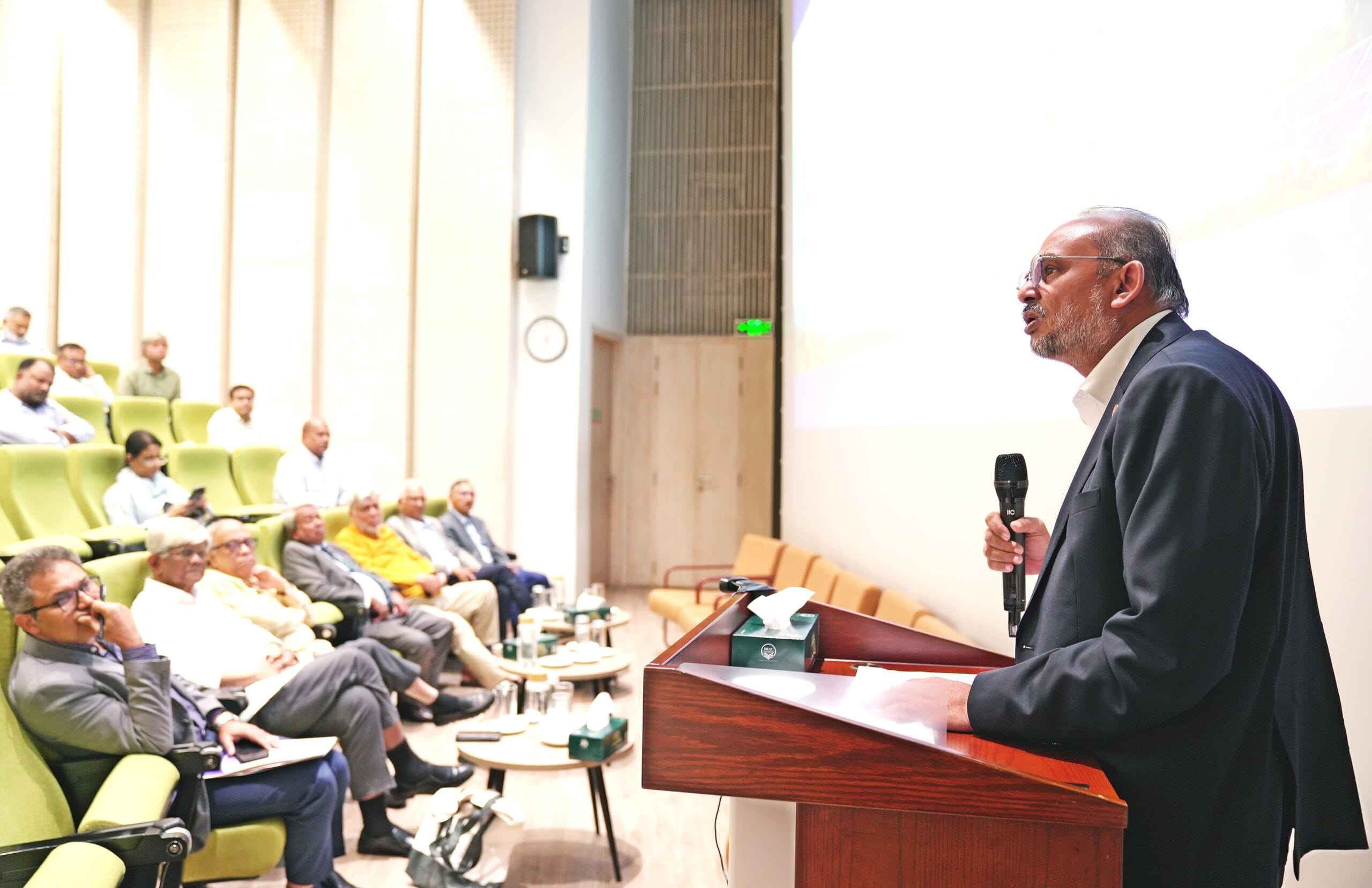
Bangladesh must make better use of its domestic energy resources and reduce its reliance on external assistance and imported fuels if it is to overcome growing pressures on its power and energy sector, experts have warned.
Speaking at a seminar on the country’s electricity and energy outlook, Dr Sultan Hafizur Rahman, chairman of the Centre for Energy Studies (CES) advisory council and a member of the BRAC University Board of Trustees, said Bangladesh had faced a major transformation in its energy landscape since the global oil crisis of the 1970s.
“Bangladesh is facing a serious energy crisis because we have not been able to make proper use of our own capabilities,” he said. “At the same time, we have repeatedly relied on outside assistance to address domestic problems.”
Dr Rahman said the CES should focus on identifying the country’s energy challenges and bringing relevant stakeholders together to develop practical solutions through education, research and policy advice.
The seminar was organised by the BRAC University Centre for Energy and Logistics (CEL) and brought together policymakers, energy specialists and academics to discuss the current challenges facing Bangladesh’s electricity and energy sector and possible solutions.
The event, held at BRAC University’s Merul Badda campus on Tuesday, was titled “Electricity, Energy Situation and the Way Forward”.
Presenting the keynote paper, Shafiqul Alam, Bangladesh lead energy analyst at the Institute for Energy Economics and Financial Analysis (IEEFA), said Bangladesh’s dependence on imported fossil fuels, with prices largely determined in US dollars, had become one of the biggest challenges facing the energy sector.
He said peak electricity demand had reached 19,027 megawatts, while warning that uncertainty over gas supplies, dependence on imports and rising electricity generation costs posed significant risks.
Mr Alam also highlighted the potential of renewable energy, particularly rooftop solar power, as well as measures to improve energy efficiency.
The second keynote paper was presented by Ahamedul Karim Chowdhury, managing director of Container Company of Bangladesh Ltd. He described energy security as a logistical challenge and discussed the complexities involved in ensuring that energy reaches consumers from producers.
He examined various aspects of LNG and petroleum supply chains, as well as the infrastructure required to support the sector. He also stressed the importance of diversification, alternative supply arrangements, storage capacity, connectivity, information flows and coordination to strengthen Bangladesh’s energy security.
A panel discussion followed, featuring six speakers.
Professor Dr Abdul Hasib Chowdhury, professor of electrical and electronic engineering at Bangladesh University of Engineering and Technology (BUET) and a member of the CES Advisory Council, discussed Bangladesh’s long-term energy planning.
Azam J Chowdhury, managing director of MJL Bangladesh Ltd, chairman of the East Coast Group and a member of the CES Advisory Council, spoke about the need for urgent reforms to tackle the current crisis and strengthen the country’s energy-related sectors.
Siddiq Jobair, senior energy adviser at the Asian Development Bank (ADB), discussed the development of Bangladesh’s energy sector, gas exploration and coal-based energy development.
Foyez Ahmed, acting chief technology officer at Ifad Analytics and a CES fellow, joined the seminar online and spoke about the country’s electricity deficit and the lack of integrated energy planning.
Shahriar Ahmed Chowdhury, director of the Centre for Energy Research at United International University, discussed the opportunities and challenges surrounding renewable energy.
Professor Sebastian Groh, professor at BRAC Business School and a CES fellow, examined how Bangladesh could potentially turn its approximately 6 million three-wheeled electric vehicles into a valuable electricity resource.
In his speech as chief guest, Dr Rashed Al Mahmud Titumir, adviser to the Prime Minister’s Ministry of Finance and Planning, highlighted various government initiatives in the energy sector.
He referred to the establishment of a land-based regasification unit at Matarbari, as well as exploration activities in offshore gas blocks and other government development programmes.
Other speakers included Professor Arshad Mahmud Chowdhury, pro-vice-chancellor of BRAC University, and Dr Mohammad Fazlul Kabir Khan, director of the CES.
Former Bangladesh Bank governor and former adviser Dr Salehuddin Ahmed, former environment adviser Syeda Rizwana Hasan, BRAC University treasurer Arifur Islam and BRAC Business School dean Professor Dr Mohammad Mujibul Haq were also present.
The seminar forms part of BRAC University’s commitment to supporting the United Nations Sustainable Development Goals (SDGs), particularly SDG 7, which promotes affordable and clean energy, and SDG 9, which focuses on industry, innovation and infrastructure.
The newly launched Centre for Energy and Logistics aims to provide a platform for policymakers, energy experts and academics to examine Bangladesh’s energy challenges and develop practical, evidence-based solutions.