


Bangladesh’s garment manufacturers have called for a more practical and science-based environmental compliance framework to support the sustainable growth of the country’s export-oriented apparel sector.
The appeal came during a high-level meeting between the Bangladesh Garment Manufacturers and Exporters Association (BGMEA) and the Ministry of Environment, Forest and Climate Change at the Bangladesh Secretariat on Wednesday.
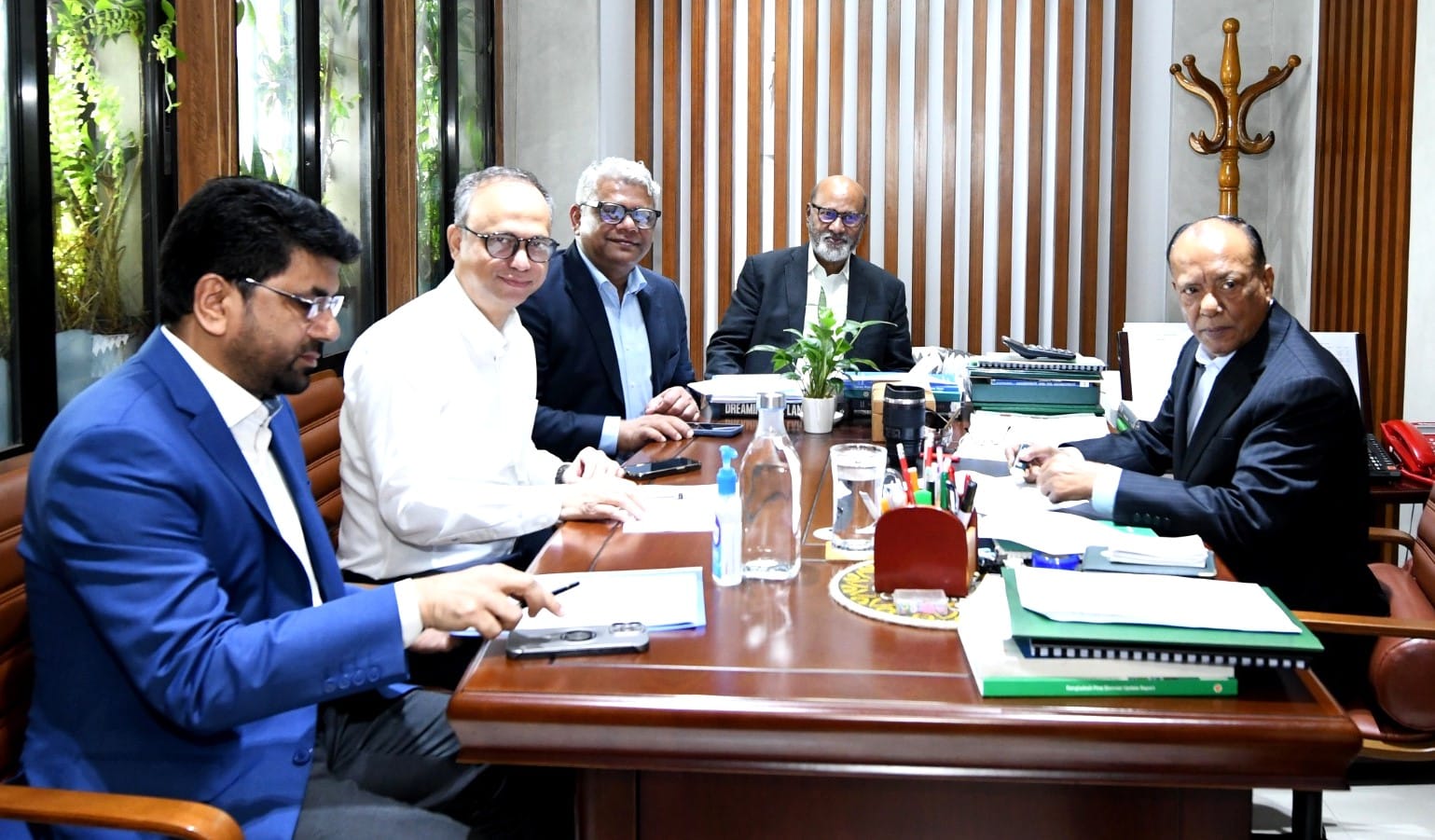
The BGMEA delegation, led by its president Mahmud Hasan Khan, met Environment, Forest and Climate Change Minister Abdul Awal Mintoo to discuss aligning environmental regulations with the operational realities of the ready-made garment (RMG) and sustainable textile industries.
The delegation also included former Bangladesh Textile Mills Association (BTMA) president A. Matin Chowdhury, BGMEA director Nafis-Ud-Doula, and Md Ashikur Rahman, chief executive of Kingsley.
During the meeting, industry leaders reaffirmed their commitment to environmental sustainability while highlighting a number of regulatory challenges facing the sector.
A key issue raised was the implementation of the Environmental Conservation Rules 2023, particularly the technical difficulties associated with meeting current effluent treatment plant (ETP) colour parameters. The BGMEA argued that the existing standards are extremely difficult to achieve with current infrastructure and requested the adoption of realistic, science-based benchmarks.
The association also proposed a phased and performance-based roadmap for implementing Zero Liquid Discharge (ZLD) systems, replacing the current requirement for mandatory commitments when renewing environmental clearances.
To accelerate water conservation and recycling initiatives, BGMEA urged the government to introduce clear sustainability guidelines, provide VAT and customs duty exemptions on ZLD equipment, and establish a dedicated “ZLD Window” under the Bangladesh Bank’s Green Transformation Fund to facilitate access to finance.
The delegation further recommended the introduction of a mirror-testing mechanism for environmental sampling to improve transparency and accountability. It also advocated a risk-based, long-term environmental clearance renewal system for factories with a strong compliance record.
Industry representatives additionally called for the swift formulation of implementing regulations under the proposed Forest Ordinance 2026 to remove uncertainties surrounding land use in industrial zones.
Other issues discussed included setting tolerance limits for environmental parameter fluctuations caused by extreme weather events and adopting a more balanced air-quality assessment framework that takes external pollution sources into account.
Minister Abdul Awal Mintoo acknowledged the garment sector’s vital contribution to Bangladesh’s economy and responded positively to the proposals.
He assured industry leaders that the government would work towards resolving the issues through a rational and practical regulatory framework that balances business needs with environmental protection goals.
The meeting concluded with both sides reaffirming their commitment to supporting the garment industry’s green transition and creating a predictable regulatory environment that will help maintain Bangladesh’s competitiveness in global apparel markets.