


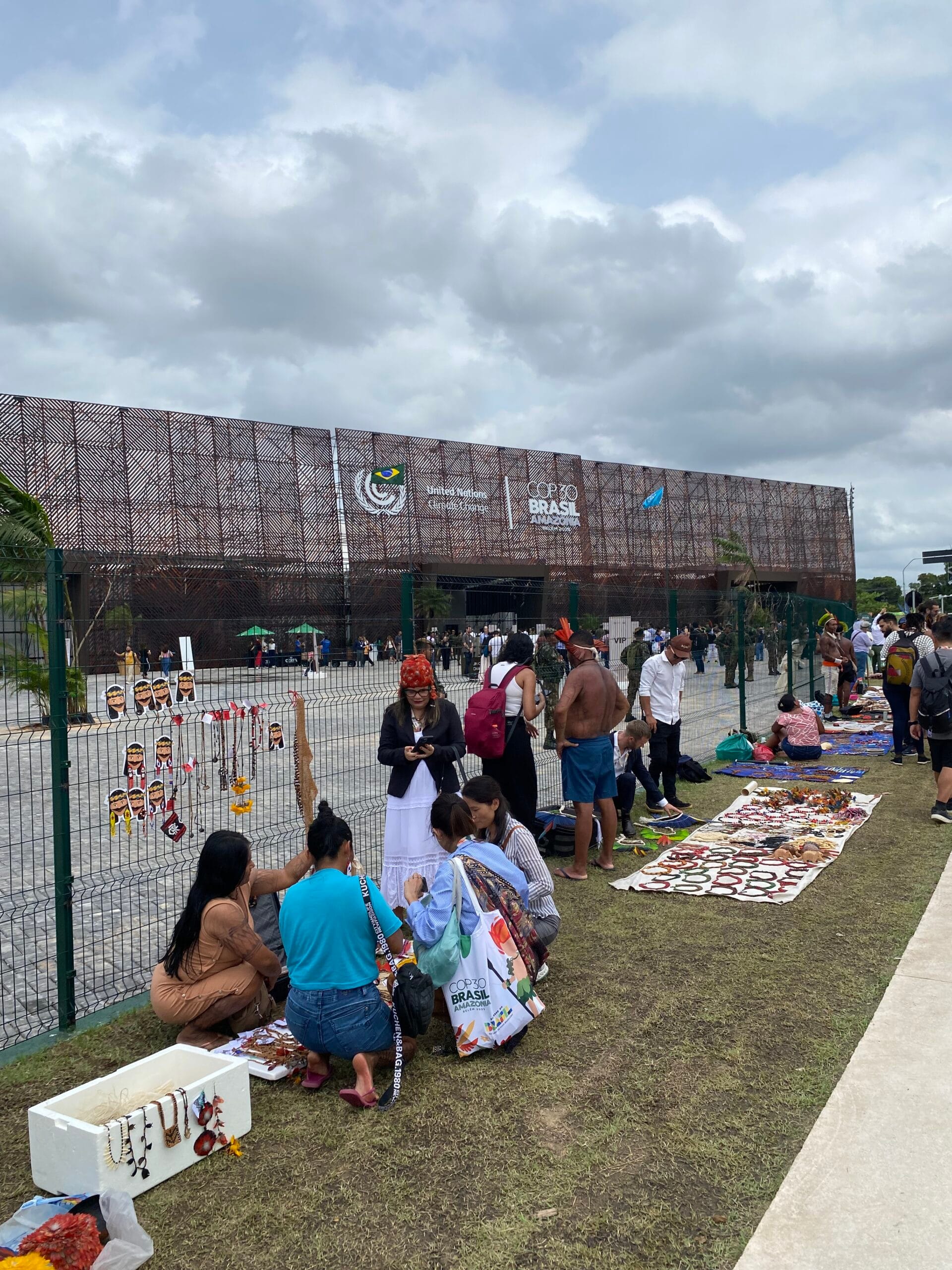
The world’s most important climate summit opened this week under the thick canopy of the Amazon, but it is the presence of more than 1,600 fossil fuel lobbyists—not the rainforest—that has cast the largest shadow over COP30.
A new analysis by the civil society coalition Kick Big Polluters Out (KBPO) reveals that representatives of oil, gas, and related industries now make up roughly one in every 25 attendees, an unprecedented share that has escalated concerns about the integrity of the negotiations.
A Record Presence Raises Red Flags
According to KBPO, COP30 hosts the highest proportional presence of fossil fuel industry delegates ever recorded at a UN climate conference. Even though attendance is lower than at COP28 in Dubai and COP29 in Baku, the fossil fuel contingent forms a larger share of the overall gathering.
Only the host nation, Brazil, has sent a larger delegation. In contrast, lobbyists outnumber the combined delegations of the 10 most climate-vulnerable countries by more than two-thirds. In one stark comparison, fossil fuel lobbyists outnumber the entire Philippine delegation by almost 50 to 1, despite the country’s increasing exposure to devastating climate impacts.
Who Are the Lobbyists — and How Are They Getting In?
The lobbyists do not represent a single unified bloc. Many arrive under the banner of industry associations, most notably the International Emissions Trading Association (IETA), which alone registered about 60 participants, including representatives from major companies such as ExxonMobil, BP, and TotalEnergies.
Hundreds more gained access through so-called “Party overflow” badges, a form of accreditation that KBPO says grants behind-the-scenes access to negotiation spaces. Nearly 600 fossil fuel lobbyists entered COP30 through this channel.
Others are embedded directly within national delegations:
- France includes 22 fossil fuel-linked delegates, among them five from TotalEnergies, including CEO Patrick Pouyanné.
- Japan brings 33, including representatives from Mitsubishi Heavy Industries and Osaka Gas.
- Norway has 17, including senior figures connected to Equinor.
Concerns Over Corporate Capture
Civil society organizations warn that COP30 is being undermined by the very industries responsible for driving global emissions. Advocacy groups argue that the UN climate process still lacks robust conflict-of-interest rules, effectively allowing fossil fuel companies to shape the policies meant to regulate them.
Transparency International has called on the Brazilian COP presidency to push for stronger safeguards, including limits on corporate influence and stricter transparency standards.
KBPO’s long-term analysis shows this is not an isolated phenomenon. Between COP26 and COP29, the coalition tracked over 5,350 fossil fuel lobbyists representing more than 850 organizations at the summits. About 90 of these companiesaccount for nearly 60% of global oil and gas production, and many are actively planning to expand extraction even as climate scientists warn of the need for rapid reductions in fossil fuel use.
Critics Speak Out
The surge in industry representation has sparked outrage among climate justice advocates, who say the negotiations risk becoming a venue for entrenching—not dismantling—fossil fuel dependence.
“You cannot solve a problem by giving power to those who caused it,” one KBPO campaigner said, reflecting the sentiment of many activists on the ground.
Environmental groups warn that lobbyists are using the conference to promote delay tactics, including weak carbon market mechanisms and high-emissions technologies framed as “solutions.”
The mounting pressure has reignited calls for the UN to implement binding conflict-of-interest rules, a demand that has gained momentum but remains unaddressed.
High Stakes for an ‘Implementation COP’
COP30 has been billed as an “Implementation COP” — a turning point where nations are expected to move from promises to concrete action. But the strong presence of fossil fuel lobbyists has raised fears that corporate interests could stall already fragile progress.
The outcomes of COP30 may depend on whether negotiators can navigate the tension between climate justice and the political and financial weight of the fossil fuel industry.
For Brazil, the host, the challenge is especially delicate. While the summit showcases the Amazon as a global climate asset, the country is also a major oil and gas producer. The heavy presence of fossil fuel interests has prompted uncomfortable questions about whose priorities are shaping the summit’s agenda.