


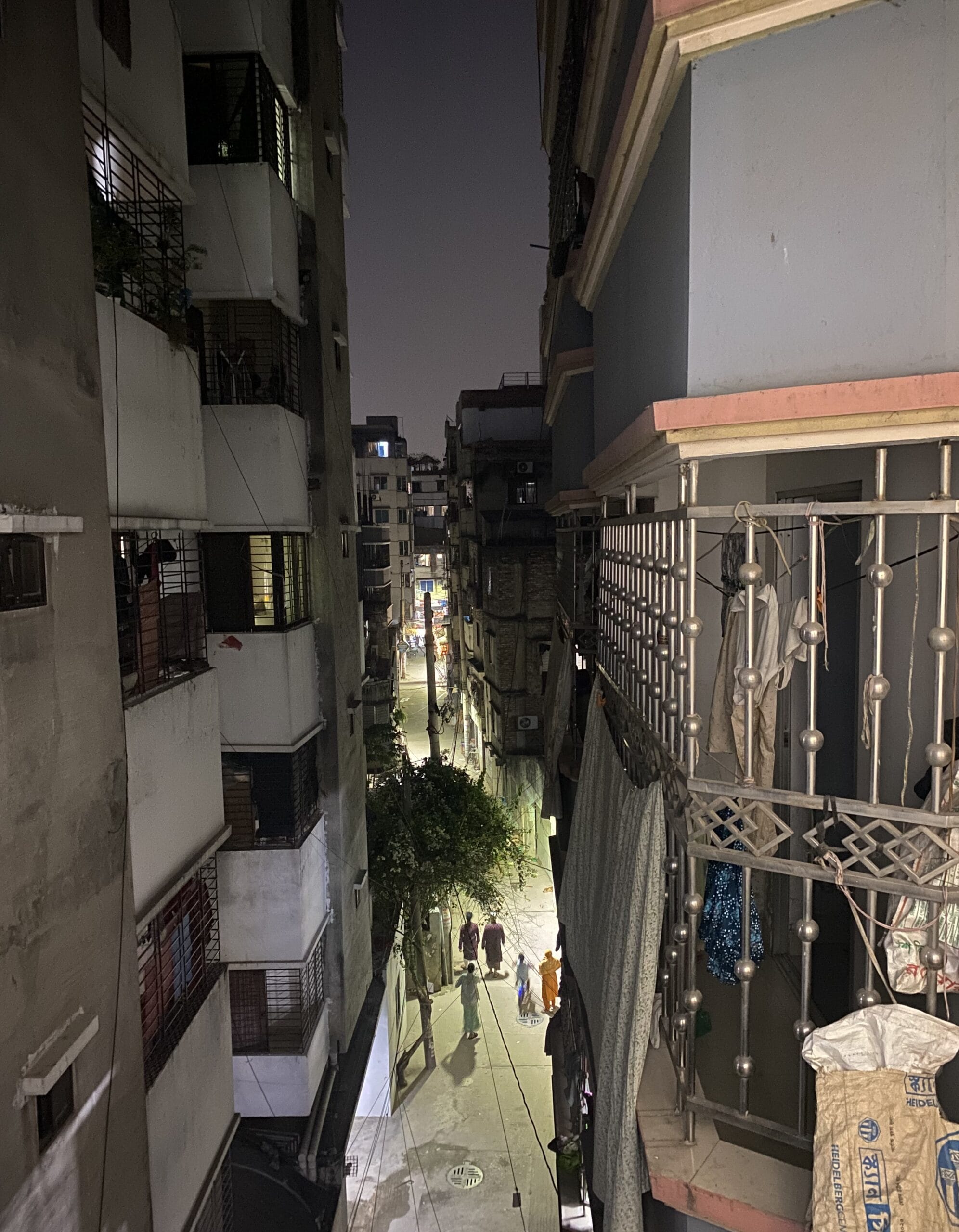
With the summer peak approaching, power outages have intensified across Bangladesh, as disruptions to primary energy supplies—linked to escalating tensions in the Middle East—begin to bite. The situation is causing widespread hardship, particularly in rural areas already struggling with fragile electricity access.
During a visit to Jhenaidah this week, this correspondent found that the power situation outside the capital is significantly worse than in Dhaka, which itself has been experiencing frequent outages.
In the district town, load shedding of an hour or more every alternate hour has become routine since mid-April, coinciding with rising temperatures. Residents in remote villages are bearing the brunt of the crisis.
“We have to suffer a lot from load shedding in this scorching heat. It is also severely hampering the studies of students, especially those sitting for the SSC examinations,” said Mahbubur Rahman, a teacher at a rural private college.
“We cannot say outages are frequent—rather, electricity just comes and goes,” he added wryly.
The worsening situation is pushing households to consider backup solutions such as rechargeable fans and Instant Power Supply (IPS) systems—despite their declining reliability in recent years due to prolonged outages.
“At this moment, I’m thinking of buying an IPS for over Tk20,000, at least to run two fans and a light,” Rahman told Just Energy News, citing advice from a friend.
Low-income earners are among the hardest hit. Those who rely on electricity to charge battery-powered three-wheelers are struggling, as uninterrupted power for several hours—essential for a full charge—has become increasingly scarce.
Md Mokhles Uddin, a resident of Haat Fazilpur village, warned of wider economic consequences, particularly for agriculture. He said irrigation has been disrupted due to shortages of both diesel and electricity, raising concerns over food production.
“How can you expect a good harvest when farmers are deprived of fuel and electricity?” he asked.
Despite having installed generation capacity that exceeds current demand, Bangladesh is now able to utilise only around half of it, as it faces difficulties importing gas and fuel oil—much of which comes from the Middle East—amid ongoing geopolitical tensions, including the Iran conflict escalation 2026.
The government has responded with extensive load shedding as it struggles to manage rising fuel costs and subsidy pressures. Earlier this week, fuel prices were increased by up to Tk20 per litre in an effort to contain subsidy spending.
According to data from Power Grid Bangladesh, electricity generation reached 13,681MW at peak hours on 22 April, against a demand of 15,767MW—leaving a shortfall of 2,086MW and resulting in an average of 3.7 hours of load shedding nationwide.
The situation is even more severe in the Khulna region, where areas served by the Bangladesh Rural Electrification Board experienced load shedding of up to 5.4 hours. On Wednesday, the shortfall in these areas stood at 172MW against a peak demand of 1,238MW.
Separately, the Power Division Bangladesh warned that the power deficit could widen further, with as much as 3,000MW of shortages expected on Thursday against an estimated peak demand of 17,000MW and possible generation of around 14,000MW.
Officials said the gap would have to be managed through load shedding. At a press briefing, Joint Secretary Umme Rehana said that although installed capacity remains high, generation is being constrained by acute shortages of gas and fuel.
Gas-fired plants produced just 5,274MW on Wednesday against a capacity of over 12,000MW, reflecting supply limitations.
The division noted that while around 2,000 million cubic feet of gas per day is required to fully utilise gas-based capacity, current supply stands at only 850–900 mmcfd.
Costly furnace oil and diesel-based generation is being curtailed to contain expenses. Authorities added that rising temperatures and industrial demand have pushed up electricity consumption, while fuel shortages persist due to disruptions linked to Middle East tensions.
Some relief may come in the coming weeks as units at coal-fired plants return to service, potentially adding nearly 2,000MW by early May.
The government has also instructed utilities to balance load shedding between urban and rural areas to protect irrigation, though Dhaka is being prioritised to remain largely outage-free.
With the summer peak approaching, power outages have intensified across Bangladesh, as disruptions to primary energy supplies—linked to escalating tensions in the Middle East—begin to bite. The situation is causing widespread hardship, particularly in rural areas already struggling with fragile electricity access.
During a visit to Jhenaidah this week, this correspondent found that the power situation outside the capital is significantly worse than in Dhaka, which itself has been experiencing frequent outages.
In the district town, load shedding of an hour or more every alternate hour has become routine since mid-April, coinciding with rising temperatures. Residents in remote villages are bearing the brunt of the crisis.
“We have to suffer a lot from load shedding in this scorching heat. It is also severely hampering the studies of students, especially those sitting for the SSC examinations,” said Mahbubur Rahman, a teacher at a rural private college.
“We cannot say outages are frequent—rather, electricity just comes and goes,” he added wryly.
The worsening situation is pushing households to consider backup solutions such as rechargeable fans and Instant Power Supply (IPS) systems—despite their declining reliability in recent years due to prolonged outages.
“At this moment, I’m thinking of buying an IPS for over Tk20,000, at least to run two fans and a light,” Rahman told Just Energy News, citing advice from a friend.
Low-income earners are among the hardest hit. Those who rely on electricity to charge battery-powered three-wheelers are struggling, as uninterrupted power for several hours—essential for a full charge—has become increasingly scarce.
Md Mokhles Uddin, a resident of Haat Fazilpur village, warned of wider economic consequences, particularly for agriculture. He said irrigation has been disrupted due to shortages of both diesel and electricity, raising concerns over food production.
“How can you expect a good harvest when farmers are deprived of fuel and electricity?” he asked.
Despite having installed generation capacity that exceeds current demand, Bangladesh is now able to utilise only around half of it, as it faces difficulties importing gas and fuel oil—much of which comes from the Middle East—amid ongoing geopolitical tensions, including the Iran conflict escalation 2026.
The government has responded with extensive load shedding as it struggles to manage rising fuel costs and subsidy pressures. Earlier this week, fuel prices were increased by up to Tk20 per litre in an effort to contain subsidy spending.
According to data from Power Grid Bangladesh, electricity generation reached 13,681MW at peak hours on 22 April, against a demand of 15,767MW—leaving a shortfall of 2,086MW and resulting in an average of 3.7 hours of load shedding nationwide.
The situation is even more severe in the Khulna region, where areas served by the Bangladesh Rural Electrification Board experienced load shedding of up to 5.4 hours. On Wednesday, the shortfall in these areas stood at 172MW against a peak demand of 1,238MW.
Separately, the Power Division Bangladesh warned that the power deficit could widen further, with as much as 3,000MW of shortages expected on Thursday against an estimated peak demand of 17,000MW and possible generation of around 14,000MW.
Officials said the gap would have to be managed through load shedding. At a press briefing, Joint Secretary Umme Rehana said that although installed capacity remains high, generation is being constrained by acute shortages of gas and fuel.
Gas-fired plants produced just 5,274MW on Wednesday against a capacity of over 12,000MW, reflecting supply limitations.
The division noted that while around 2,000 million cubic feet of gas per day is required to fully utilise gas-based capacity, current supply stands at only 850–900 mmcfd.
Costly furnace oil and diesel-based generation is being curtailed to contain expenses. Authorities added that rising temperatures and industrial demand have pushed up electricity consumption, while fuel shortages persist due to disruptions linked to Middle East tensions.
Some relief may come in the coming weeks as units at coal-fired plants return to service, potentially adding nearly 2,000MW by early May.
The government has also instructed utilities to balance load shedding between urban and rural areas to protect irrigation, though Dhaka is being prioritised to remain largely outage-free.