


Bangladesh is set to announce a series of sweeping tax incentives aimed at accelerating the adoption of renewable energy and electric vehicles (EVs), as the country seeks to reduce its dependence on imported fossil fuels and build a more sustainable industrial economy in the 2026–27 fiscal year.
The measures, expected to be unveiled tomorrow as part of the national budget, include tax holidays for the solar power sector, reduced taxes for electric vehicles, and new incentives to attract investment in EV manufacturing.
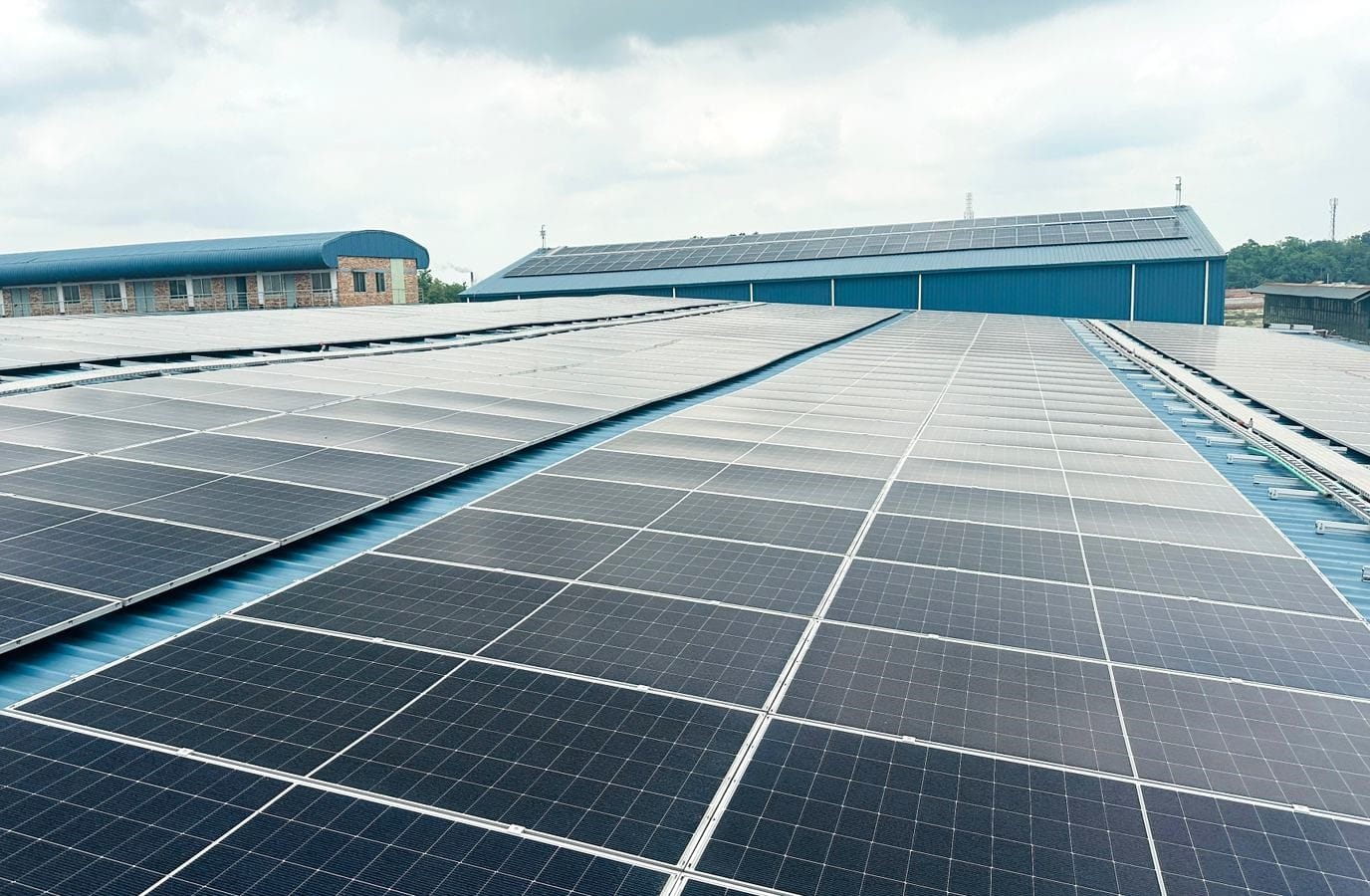
Under the proposed measures, the government plans to introduce a zero percent tax rate for the solar power sector until 2035 to encourage environmentally friendly and affordable electricity generation.
Consumers using solar electricity would also receive a 5 percent tax rebate on electricity bill payments, according to the proposal.
Officials said the measures are intended to expand the use of renewable energy in a country that remains heavily reliant on imported fuel oil and liquefied natural gas (LNG) to meet rising electricity demand.
“We are placing greater emphasis on renewable energy in the coming fiscal year,” State Minister for Power and Energy Anindya Islam Amit recently told Just Energy News.
Incentives for EV Manufacturing
In a major push to develop a domestic electric vehicle industry, the government may also propose a range of duty and tax exemptions for companies manufacturing EVs and EV components in Bangladesh.
Manufacturers of four-wheeler and three-wheeler electric vehicles with high levels of local value addition — including body building, welding, painting and assembly — would enjoy exemptions from all taxes and duties, except a 3 percent import duty on raw materials and components.
Companies involved in lower levels of local value addition, such as parts assembly and painting, would also receive significant incentives, with all duties and taxes waived except a 15 percent import duty.
The government may further propose a complete exemption from all duties and taxes, including the additional 5 percent VAT, on imports of raw materials and components used by local manufacturers of electric buses and trucks.
The incentives are expected to remain in force until June 30, 2031.
Industry analysts say the measures could help Bangladesh emerge as a regional manufacturing hub for electric mobility, although challenges such as charging infrastructure, grid reliability and supply chain capacity remain significant.
Lower Taxes for Electric Vehicles
The government may also propose substantial reductions in advance income tax on the registration and renewal of electric vehicles at the Bangladesh Road Transport Authority (BRTA).
At present, EV owners are required to pay Tk 200,000 in advance income tax. Under the proposed structure, the tax would be reduced according to battery capacity.
Electric vehicles with up to 200kW battery capacity would pay Tk 25,000, while vehicles with 300kW, 400kW and above 400kW capacity would pay Tk 50,000, Tk 75,000 and Tk 100,000 respectively.
Officials believe the wider adoption of solar power and electric vehicles could significantly ease pressure on Bangladesh’s foreign currency reserves by reducing fuel imports.
Higher Taxes on Petrol and Diesel Vehicles
At the same time, the government is moving to discourage the use of fossil fuel-powered vehicles through higher import taxes.
Under the proposal, the overall tax burden on imported internal combustion engine (ICE) vehicles with engine capacities between 1,200cc and 1,600cc would rise from 132.36 percent to 155.88 percent.
The move is aimed at reducing the use of diesel, octane and petrol-powered vehicles — which officials describe as harmful to the environment — while encouraging consumers to shift towards electric mobility.
However, the existing tax structure for other categories of imported vehicles would remain unchanged.
Coal Import Concessions Extended
Despite the strong emphasis on renewable energy and electric mobility, the government is also likely to propose extending duty and tax concessions on coal imports for power plants until June 30, 2030.
Officials said the extension is necessary to ensure long-term energy security and keep electricity prices affordable amid continuing volatility in global energy markets.
Bangladesh has increasingly relied on coal-fired power generation in recent years to meet growing electricity demand, even as it faces growing international pressure to accelerate its transition towards cleaner energy sources.