


More than 100 young women from across Bangladesh have begun an intensive four-week science programme aimed at boosting female participation in Science, Technology, Engineering and Mathematics (STEM), amid growing efforts to tackle the country’s gender gap in technical professions.
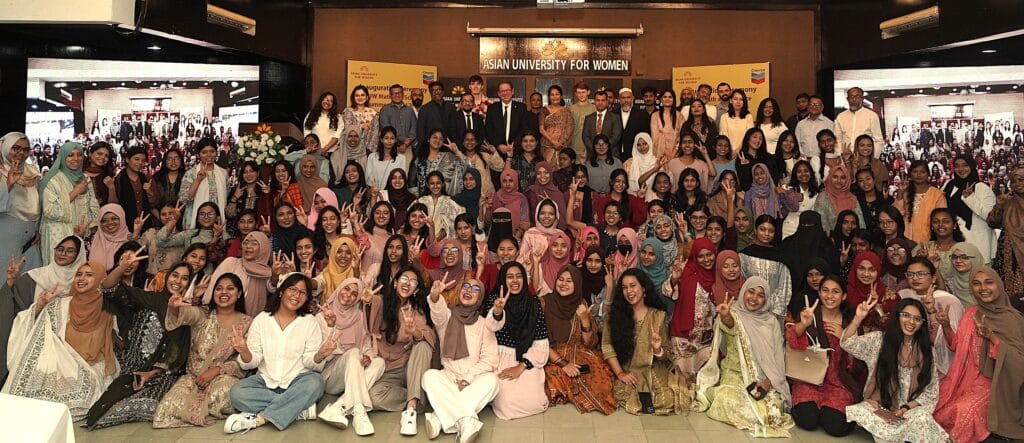
The Math and Science Summer School 2026, organised by the Asian University for Women (AUW) with support from Chevron Bangladesh, welcomed 104 students to its Chattogram campus this week.
Now in its seventh year, the initiative seeks to equip talented female students with the academic skills and confidence needed to pursue university study and careers in science and technology.
Since Chevron Bangladesh partnered with AUW in 2019, more than 380 young women have graduated from the programme, which combines classroom teaching with practical, hands-on learning designed to strengthen critical thinking and problem-solving skills.
This year’s curriculum includes mathematics, physics, chemistry, computer coding and public health, with teaching delivered by academics from leading institutions including the Massachusetts Institute of Technology (MIT), the University of Oxford, the American University in Dubai and the University of Chattogram.
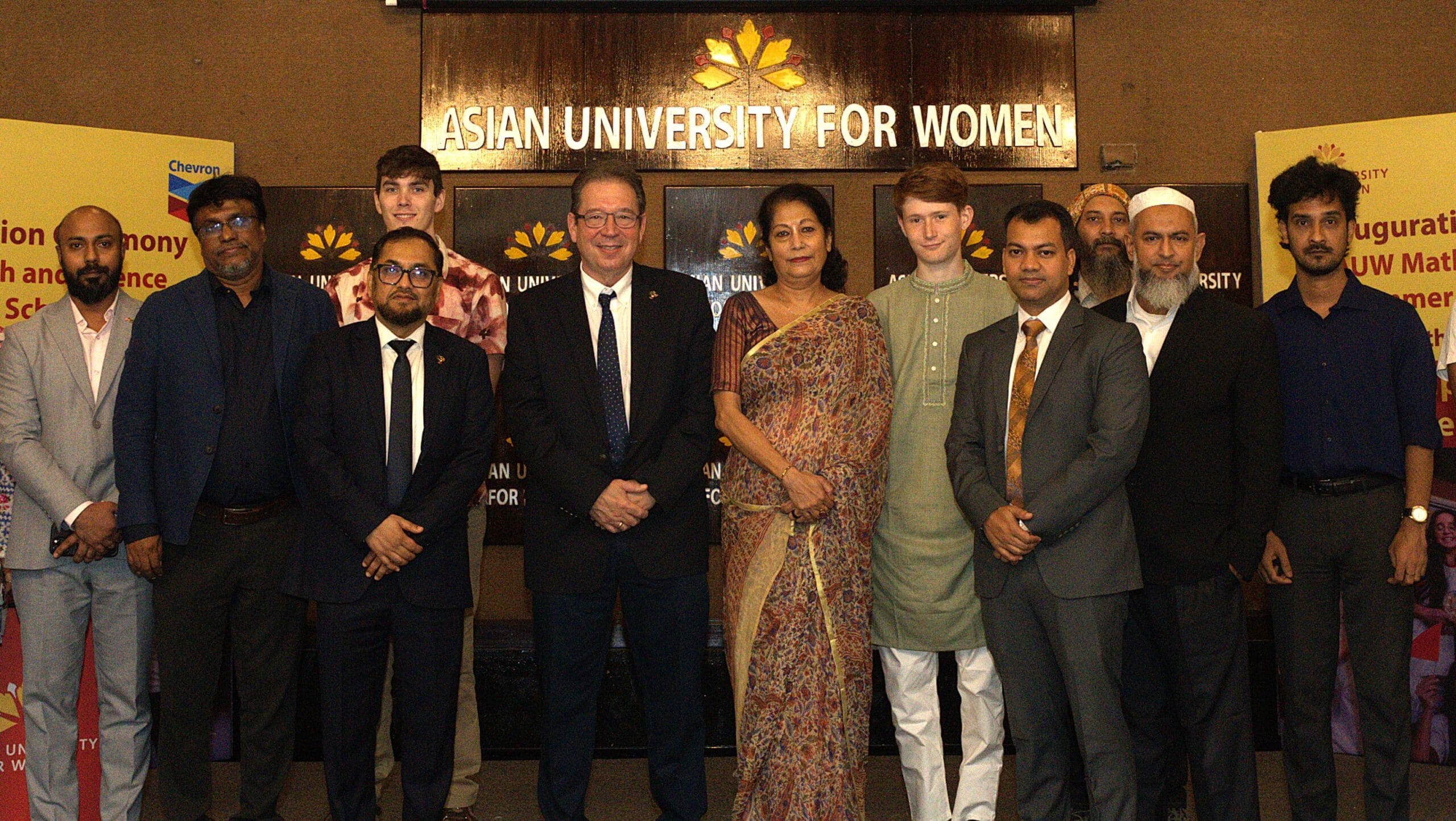
Opening the programme, Eric M. Walker, President and Managing Director of Chevron Bangladesh, said investment in STEM education would help drive innovation and economic growth while creating greater opportunities for women.
“The future of STEM is not somewhere else. The future of STEM is right here, in this room,” Walker told participants. “When young women are encouraged to dream boldly and pursue their interests in science and technology, there is no limit to what they can accomplish.”
Senior representatives from Chevron Bangladesh and AUW attended the inauguration, including Muhammad Imrul Kabir, Director of Corporate Affairs at Chevron Bangladesh, and AUW Interim Vice Chancellor Dr Sangita Rayamajhi.
The programme reflects a broader push to increase women’s representation in STEM fields, where participation remains comparatively low in many developing economies despite rising enrolment in higher education. Organisers say the summer school aims to bridge that gap by giving students access to high-quality teaching, international faculty and practical laboratory experience.