


Battery failures are eroding the benefits of a Tk218 crore government project that brought solar electricity to 40,000 off-grid households in the Chattogram Hill Tracts (CHT), with a new government evaluation finding that most systems are already facing serious operational problems.
According to a June 2026 impact assessment by the Implementation Monitoring and Evaluation Division (IMED), 88% of beneficiary households reported battery problems, while 73% said they had already replaced their batteries just three years after the project was completed.
The report says that although the project initially transformed the lives of thousands of remote households, design flaws, inadequate charging under low-light conditions and the absence of a post-project maintenance mechanism now threaten its long-term sustainability.
The project, titled “Supply of Electricity through Installation of Solar Panels in Remote Areas of the Chattogram Hill Tracts (2nd Phase),” was implemented by the Chattogram Hill Tracts Development Board under the Ministry of Chattogram Hill Tracts Affairs between July 2020 and June 2023. It followed an earlier phase completed in 2019.
Because the region’s rugged terrain makes grid expansion expensive, the government opted for off-grid solar systems in line with the country’s renewable energy policy.
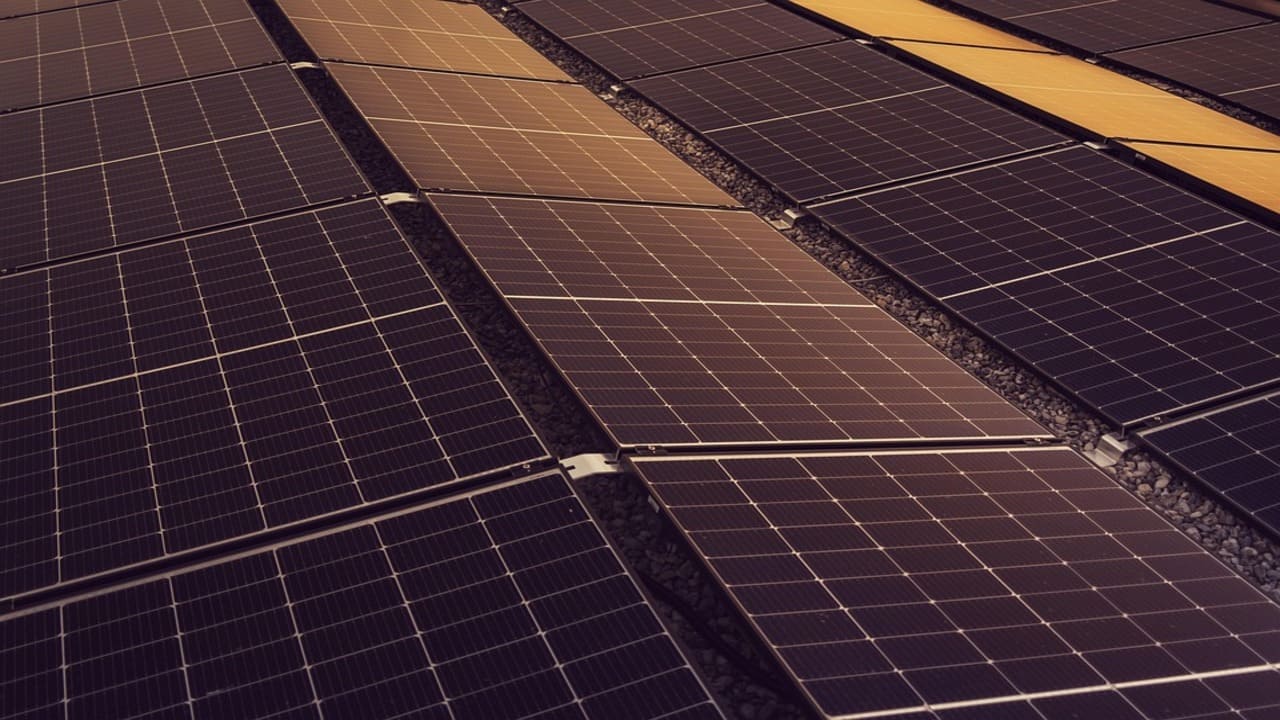
Under the project, 40,000 households across 26 upazilas received 100-watt-peak solar home systems, while another 2,500 community facilities — including para centres, hostels and orphanages—received larger 320-watt-peak systems.
State-owned Bangladesh Machine Tools Factory procured the equipment, and the project was completed on time and within budget.
Significant socio-economic benefits
The IMED survey, conducted among 800 beneficiary households, found that the project delivered substantial socio-economic benefits.
All households gained access to lighting and mobile phone charging, while 88.63% received electricity for fans and 36.88% for televisions.
About 98% of respondents said the project created new opportunities for small businesses, while 88% reported improvements in household income and savings.
The education impact was also significant. Nearly 96% of households said solar lighting created a better study environment, and 76% reported that children could study longer after sunset.
The report described the project as economically viable with strong returns but warned that the lack of a maintenance strategy could undermine these achievements.
Design flaws behind battery failures
Despite these benefits, the evaluation found widespread technical problems.
About 74% of households said they still do not receive adequate lighting, while 18% reported difficulties charging devices.
According to the report, the main problem stems from a mismatch between the solar panels and batteries.
Each 100-watt-peak solar panel was paired with only an 80 ampere-hour battery, preventing the batteries from reaching full charge under normal operating conditions and accelerating their deterioration.
The report says excessive electricity use further worsened battery performance by causing repeated deep discharge cycles.
It also found that the pulse-width modulation (PWM) charge controllers used in the systems are less efficient than newer technologies, reducing energy conversion efficiency.
In addition, the Low-Voltage Disconnect (LVD) safety feature — designed to prevent excessive battery discharge — was often bypassed by users or failed because of improper settings.
Field data showed households consume between 300 and 350 watt-hours of electricity daily, well above the systems’ design capacity of 200–210 watt-hours. According to IMED, this demand gap resulted from inadequate load assessment during project preparation.
The report also recommends replacing the gel batteries used in the project with longer-lasting lithium iron phosphate (LiFePO4) batteries in future programmes.
Maintenance and management shortcomings
The evaluation identified several implementation weaknesses.
Many solar panels were mounted on wooden poles or tin roofs instead of concrete structures because transporting construction materials into remote hilly areas proved difficult. This has left many installations vulnerable to storms and overheating.
Dust accumulation and the absence of routine maintenance have also reduced solar panel efficiency over time.
The report noted uneven distribution of systems, with some villages receiving extensive coverage while neighbouring underserved communities were left out.
On project management, IMED found that the project director’s position remained vacant for nearly three months at the outset. Both directors who later served held the position on a part-time basis, while one approved staff position remained unfilled throughout implementation.
The report also noted that an audit objection relating to an unissued insurance guarantee worth Tk7.58 lakh was resolved in February 2023.
Most importantly, the project included neither a maintenance fund nor a post-handover servicing plan, leaving poor households to bear the full cost of replacing batteries and other components.
Recommendations
IMED recommended that future solar projects ensure proper matching of panel, battery and electricity demand, adopt longer-lasting batteries, establish community savings schemes to finance battery replacement, and ensure environmentally safe disposal of used batteries through authorised recycling facilities.
It also called for disaster preparedness guidelines for removing solar panels during extreme weather and recommended launching a follow-up project to electrify the remaining unelectrified areas of the CHT.
Former Sustainable and Renewable Energy Development Authority (SREDA) Chairman Mohammad Alauddin said the solar home systems had undoubtedly improved the lives of millions of people.
“However, the question now is: where are those systems when they reach the end of their useful life? At present, we do not have an effective system for collecting, recycling or refurbishing these components for reuse,” he said.
He noted that many developed countries have adopted Extended Producer Responsibility (EPR), under which manufacturers remain responsible for collecting, recycling and disposing of products at the end of their life cycle.
“Unfortunately, this concept has not yet been fully developed or institutionalised in Bangladesh,” he added.