


Bangladesh could earn $5 billion-$7 billion a year from leather exports by 2030 if it resolves the sector’s environmental compliance problems and secures inclusion in the Leather Working Group (LWG), said a top industry leader on Thursday.
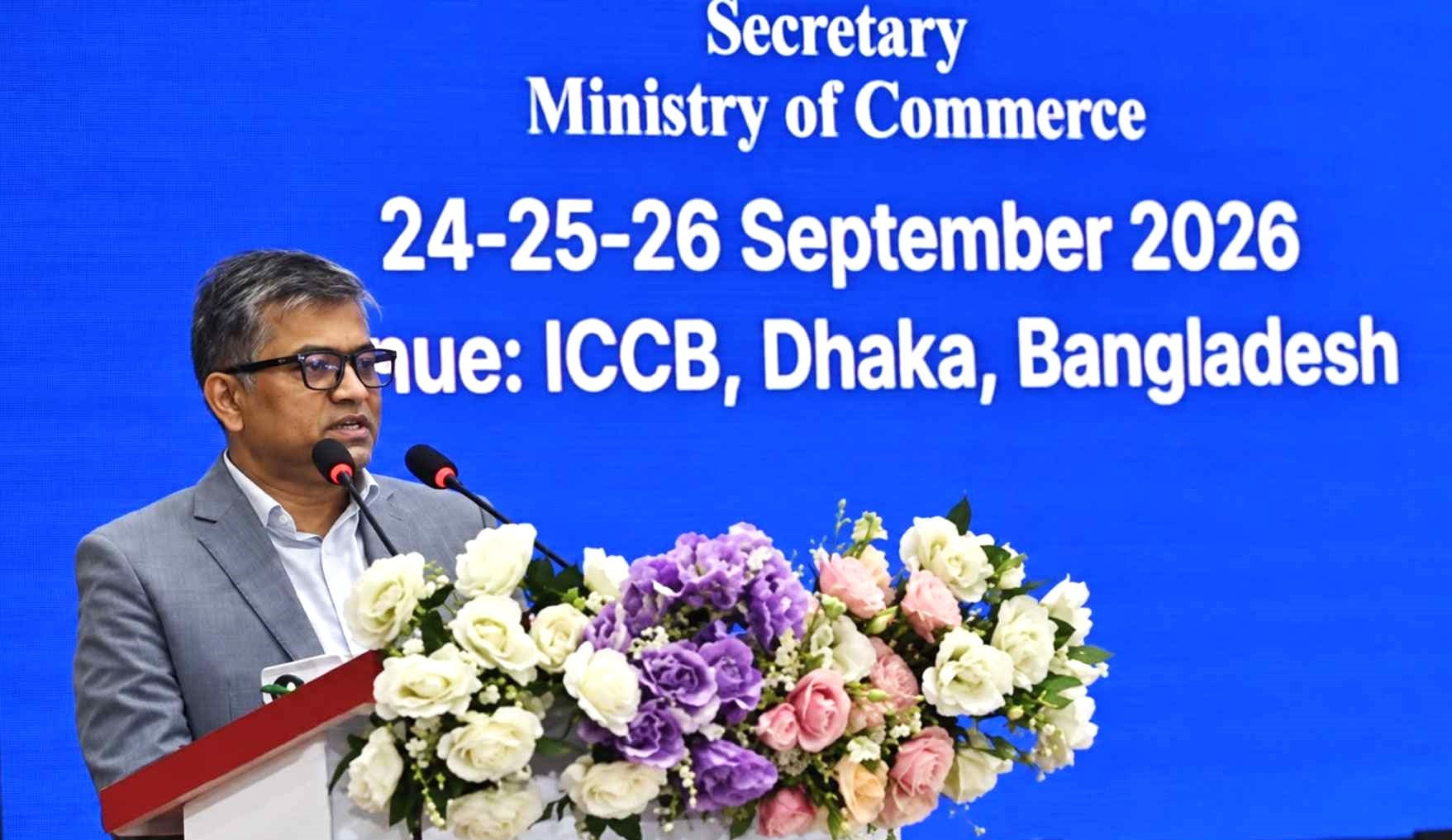
Bangladesh Tanners Association (BTA) senior vice-president Md Shakhawat Ullah made the remarks at the opening of the 10th Bangladesh Leather and Footwear Expo 2026 at International Convention City Bashundhara in Dhaka.
He said resolving the complications surrounding the central effluent treatment plant (CETP) should be a priority for the government and the industry.
“The leather sector has huge potential, but it has remained almost where it was three decades ago,” Shakhawat said, calling for greater focus on higher-value and diversified leather products.
He said bringing tanneries up to international environmental standards and securing LWG recognition would help Bangladeshi producers gain access to more international buyers and markets.
Worker training and skill development are also essential for improving productivity and meeting global compliance requirements, he said.
“Compliance should not be considered a burden. It is an additional asset for business,” Shakhawat said.
Government preparing action-oriented roadmap
Commerce Secretary Md Ataur Rahman Khan said the government was preparing an action-oriented roadmap to address the structural problems of the leather and footwear industries and increase exports.
A high-level committee headed by the commerce minister has been formed to oversee the sector’s development, he said.
The draft roadmap will be published on the Commerce Ministry’s website to seek feedback from stakeholders, including tannery owners, manufacturers, traders, technologists and other industry representatives.
“The roadmap will reflect the practical experience and needs of all stakeholders,” the secretary said.
He said the government was also looking to tap the growing domestic market while helping local manufacturers meet the requirements of international buyers.
Bangladesh has the raw materials and increasingly capable technologists needed to develop the sector, he said, adding that stronger efforts were needed to encourage consumers to use locally made leather goods while expanding exports.
The government will provide greater support on environmental and social compliance, technological capacity and information on international market requirements, Ataur Rahman Khan said.
The Commerce Ministry is working on a framework for responsible business conduct and a national traceability framework. Separate traceability systems are also being planned for priority sectors, he said.
Industry-academia link stressed
The secretary stressed stronger cooperation between industry and educational institutions to promote research and technological innovation.
He said graduates and researchers of the Institute of Leather Engineering and Technology in Hazaribagh should be more closely connected with tannery owners and entrepreneurs.
The government plans to incorporate stronger industry-academia collaboration into the sector roadmap, he added.
The government is also working to simplify business processes, including VAT-related facilities, while technology centres are being developed in areas such as Gazipur to provide technical advice and technological support to small and medium-sized businesses.
Export diversification
Industry representatives said leather remains one of Bangladesh’s most promising export sectors after readymade garments, with significant scope for employment, foreign exchange earnings and industrial growth.
Bangladesh produces around 270 million square feet of leather a year. Processed leather is exported mainly to Italy, South Korea, Japan, China, Hong Kong and Taiwan, while the rest is used by domestic leather-goods manufacturers.
The industry has gradually diversified into footwear, travel bags, belts, wallets and other finished products.
Bangladesh has around 5,500 small footwear factories and is the world’s eighth-largest footwear producer and ninth-largest consumer market, according to industry representatives.
Local manufacturers are receiving orders from international brands, while domestic demand for footwear is also rising.
Speakers said the sector needed stronger environmental compliance, product diversification, technological upgrading and market-oriented planning to take advantage of these opportunities.
More than 250 local and foreign companies are participating in the three-day expo, organised by the BTA, Leather Engineers and Technologists Society Bangladesh (LETSB) and Limra Trade Fairs and Exhibitions.
The expo will continue until September 26 at ICCB, remaining open from 10am to 7pm each day.
BISC Chairman Benjir Ahmed, BTA Vice-President Ashraf Uddin, Secretary-General Mizanur Rahman and Limra Exhibitions Managing Director Kazi Sarwar, among others, attended the opening ceremony.