


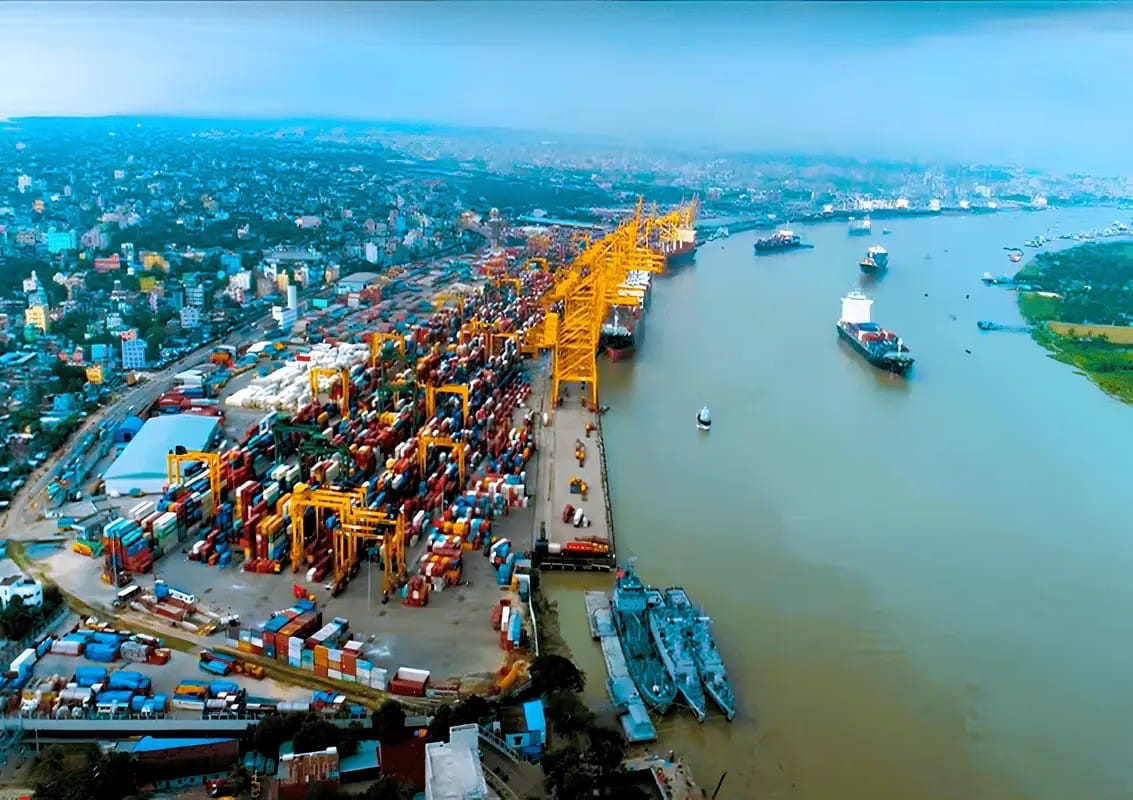
Businesses have called for immediate waivers of port-related charges and compensation for losses as severe flooding continues to disrupt operations at Chattogram Port, threatening trade flows and export commitments.
In a letter to Shipping Minister Sheikh Robiul Alam, leading trade bodies urged the government to swiftly introduce relief measures, warning that without intervention, the crisis could escalate into a major supply chain shock.
Key demands
Top among the demands is a temporary waiver or reduction of demurrage, detention, port rent and storage charges for stranded cargo. Businesses also called for a suspension of new charges until normal operations resume.
They further demanded compensation for goods damaged by floodwaters, arguing that losses caused by infrastructure weaknesses or poor drainage should not be borne by traders alone. To ensure accountability, they proposed forming a joint committee comprising port authorities, customs officials and business representatives to assess damages.
Immediate restoration of road and rail connectivity to and from the port is another priority, as transport disruptions continue to slow cargo movement.
Operations severely hit
Days of heavy rainfall have led to waterlogging across key areas of the port and nearby container depots, disrupting unloading, storage and delivery of goods.
A wide range of imports—including cotton, yarn, fabrics, industrial raw materials, chemicals and food items—are at risk of damage, while export shipments such as readymade garments, leather goods and pharmaceuticals are facing delays.
Exporters fear order cancellations, price cuts and penalties, alongside higher costs from emergency air shipments.
Concerns over liability disclaimer
The situation has been further complicated by a recent notice from the Chattogram Port Authority disclaiming responsibility for flood-related damage to goods, a move strongly criticised by business leaders.
They described the decision as unilateral and said accountability must be determined through a transparent investigation.
Rising costs, economic risks
Prolonged congestion is driving up costs, with businesses incurring additional demurrage, detention, shipping and storage expenses. The impact is spilling over into industrial production, cash flow and loan repayments, particularly for small and medium enterprises.
Business leaders warned that failure to act promptly could damage confidence in Chattogram Port and undermine Bangladesh’s export competitiveness in the global market.