


Bangladesh’s proposed FY2026–27 budget falls short of supporting a meaningful energy transition, with only a marginal allocation for renewables that could derail the country’s 2030 targets, the Centre for Policy Dialogue (CPD) said on Wednesday.
At a media briefing in the capital, the think tank said just 2 percent of the power generation allocation has been earmarked for renewable energy, while the overwhelming 98 percent remains concentrated in fossil fuel-based projects.
CPD termed the allocation “grossly inadequate” and inconsistent with the government’s stated policy direction on clean energy.
Presenting the keynote, CPD Senior Research Associate Helen Mashiyat Preoty said the proposed budget reflects a continued institutional bias toward fossil fuels within the power and energy apparatus.
“This bias is evident both in expenditure priorities and in the revenue framework,” she said.
The government has proposed Tk 17,345 crore for the power and energy sector, marking a modest 2.3 percent increase from the revised budget. However, the sector’s share in the overall budget has declined to 1.85 percent, down from 2.15 percent a year earlier.
A closer look shows a divergence in allocation trends. Funding for the Power Division has dropped 3.9 percent to Tk 14,996 crore, while the Energy and Mineral Resources Division has seen a sharp 72 percent increase, largely driven by gas exploration and extraction initiatives.
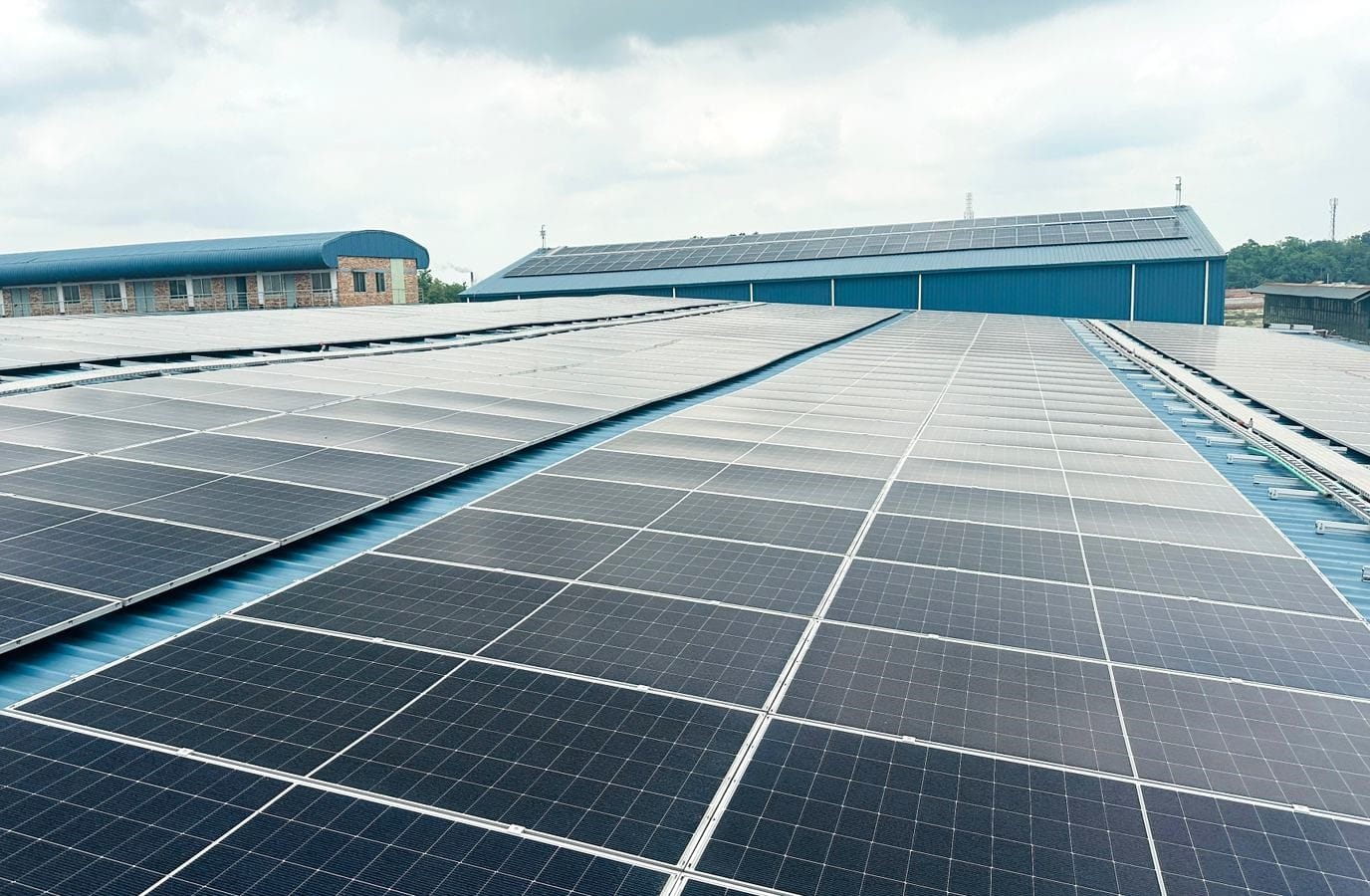
CPD acknowledged a number of supportive measures for renewable energy in the proposed budget. These include a tax holiday for solar power generation until 2035 and a 5 percent tax rebate on solar electricity bills. Duties on key solar equipment — including panels, inverters and lithium-ion batteries — have also been reduced.
The withdrawal of taxes on electric vehicle charging stations and lower registration fees were also described as positive steps.
However, the think tank flagged a policy contradiction, noting that fiscal incentives for fossil fuels remain firmly in place. LNG imports continue to enjoy VAT exemption, while duty benefits for coal used in power plants have been extended until 2030.
“On the one hand, there are signals in favour of renewables; on the other, the fiscal regime continues to incentivise fossil fuels,” CPD said.
CPD Research Director Khandaker Golam Moazzem said the budget fails to address underlying distortions in the energy taxation structure.
“Despite outward incentives, the system still leans heavily toward fossil fuels,” he said, calling for a gradual withdrawal of preferential treatment for LNG, coal and oil to align fiscal policy with long-term energy transition goals.