


Bangladesh is among a group of countries facing a growing risk of deadly heat as climate change accelerates, with millions of people expected to remain unable to afford or access life-saving cooling despite rising temperatures, according to a new international report.
The study by the Climate Impact Lab warns that climate change could contribute to around 430,000 additional deaths every year by 2050, with low-income countries projected to suffer 10 times more fatalities than wealthier nations because they lack the resources needed to adapt.
Bangladesh is identified alongside Pakistan, Nepal and Myanmar as one of the South Asian countries where extreme heat is expected to become increasingly dangerous while access to electricity and air conditioning remains limited.
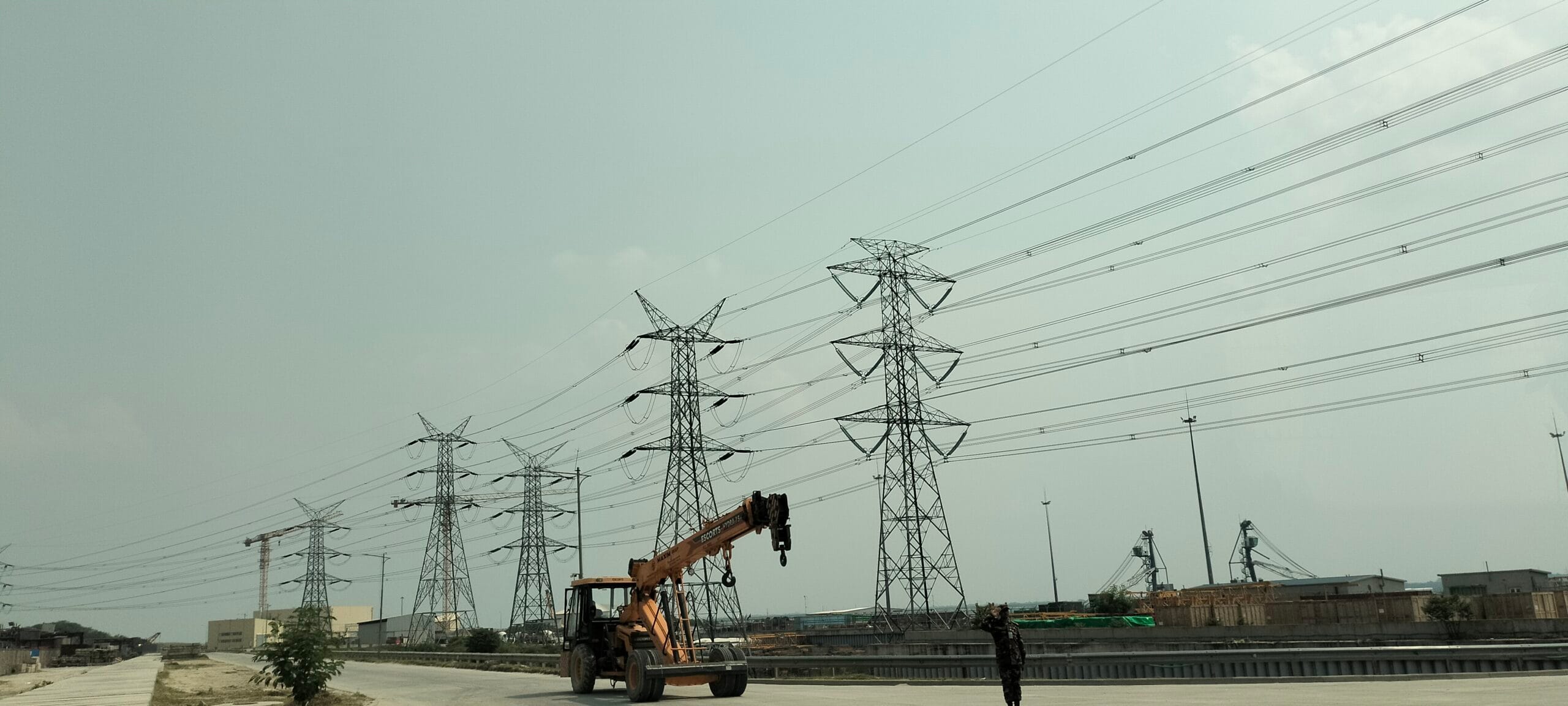
Researchers argue that reliable electricity for cooling will play a crucial role in protecting lives during more frequent and intense heatwaves. However, while wealthier nations are expected to see widespread growth in air conditioning use, many developing countries are unlikely to have the infrastructure or household incomes needed to keep pace.
Michael Greenstone, co-founder of the Climate Impact Lab and professor of economics at the University of Chicago, said air conditioning was “a life saver”, but warned that millions of people in poorer countries would remain beyond its reach.
“The result is one of climate’s great cruelties – lots of death in the very countries that have contributed the least to climate change,” he said.
The report says middle-income economies are expected to expand electricity consumption for cooling as incomes rise and energy markets improve. By contrast, growth in electricity use across the world’s poorest countries is projected to be so limited that the additional power available per person would be enough to run a single LED light bulb for only four months.
Researchers identified communities across 18 countries, home to around 676 million people, where extreme heat and inadequate access to cooling are expected to combine with particularly severe consequences. Together, these areas could experience around 377,000 additional heat-related deaths each year by 2050.
Although the greatest concentration of risk lies in northern sub-Saharan Africa, Bangladesh is highlighted as one of the most vulnerable countries in South Asia because of its combination of high temperatures, dense population and constrained access to cooling technologies.
The report contrasts Bangladesh and other vulnerable countries with wealthy Gulf states such as Saudi Arabia, Kuwait and Bahrain. Despite experiencing similarly extreme temperatures, Gulf countries consume far more electricity for cooling and are expected to expand that capacity further, reducing the health impacts of rising heat.
Ashwin Rode, a fellow at the Climate Impact Lab and director of scientific research at the University of Chicago’s Energy Policy Institute, said identifying the most vulnerable regions would help governments and international donors prioritise investment.
“We’ve identified the places most at risk of seeing more people die from the heat and least able to power up air conditioners to save them,” he said.
For Bangladesh, the report points to the need for greater investment in reliable electricity supplies, heat early-warning systems, stronger healthcare services and targeted support for vulnerable communities. It also notes that many climate adaptation measures remain insufficiently tested, underlining the urgency of developing practical solutions as temperatures continue to rise.
The findings are likely to add to calls for increased international support for climate adaptation in countries such as Bangladesh, which contributes only a small share of global greenhouse gas emissions but remains among those most exposed to the impacts of a warming world.ain largely untested.