


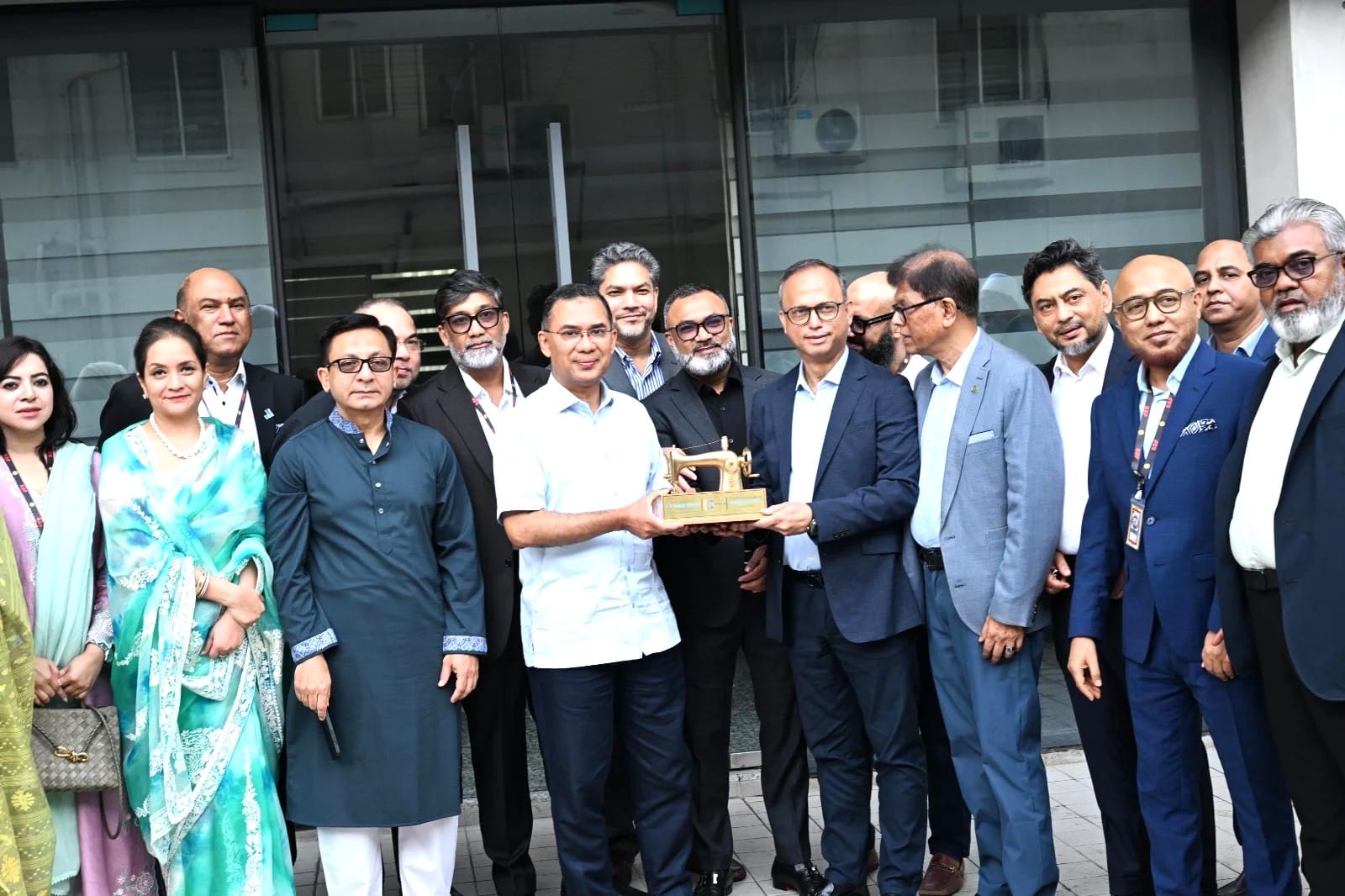
Leaders of the Bangladesh Garment Manufacturers and Exporters Association have warned that persistent shortages of electricity and gas are undermining production and raising costs in the country’s export-oriented apparel sector, urging urgent government action during a meeting with Prime Minister Tarique Rahman on Wednesday.
A BGMEA delegation, led by its president Mahmud Hasan Khan, met the prime minister at the Secretariat and highlighted that uninterrupted energy supply has become the most critical challenge for the industry, which remains a main driver the economy.
The exporters said recent energy shortages have disrupted factory operations, delayed shipments and forced many manufacturers to rely on costly alternatives to keep production running. They called for giving top priority to ensuring reliable gas and power supply to sustain output and meet export deadlines.
BGMEA leaders also proposed setting up a fast-track mechanism under the Prime Minister’s Office to quickly resolve service-related issues for export industries, including gas, electricity, customs and banking, arguing that delays across these areas are compounding the impact of the energy crisis.
The meeting, attended by Commerce, Industry, Textiles and Jute Minister Khandaker Abdul Muqtadir and Economic Adviser Rashed Al Mahmud Titumir, focused on sustaining export growth, improving competitiveness and addressing structural bottlenecks facing the sector.
While a range of issues—from logistics constraints to tax policies—were discussed, energy security dominated the talks as factory owners stressed that stable gas and electricity supply is essential to maintain production continuity and remain competitive in global markets.
In response, the prime minister acknowledged the importance of the apparel sector in driving industrialisation, employment and export earnings, and assured continued policy support to keep factories operational and strengthen the sector’s resilience.
He also announced the formation of a high-level committee, led by the commerce minister, the economic adviser and the BGMEA president, to review the issues raised—including the energy supply situation—and recommend solutions.