


The government of Bangladesh is working on plans to introduce a universal digital identification system linked to a digital wallet, allowing citizens to access public services and conduct financial transactions through a single platform within the next 12 to 18 months.
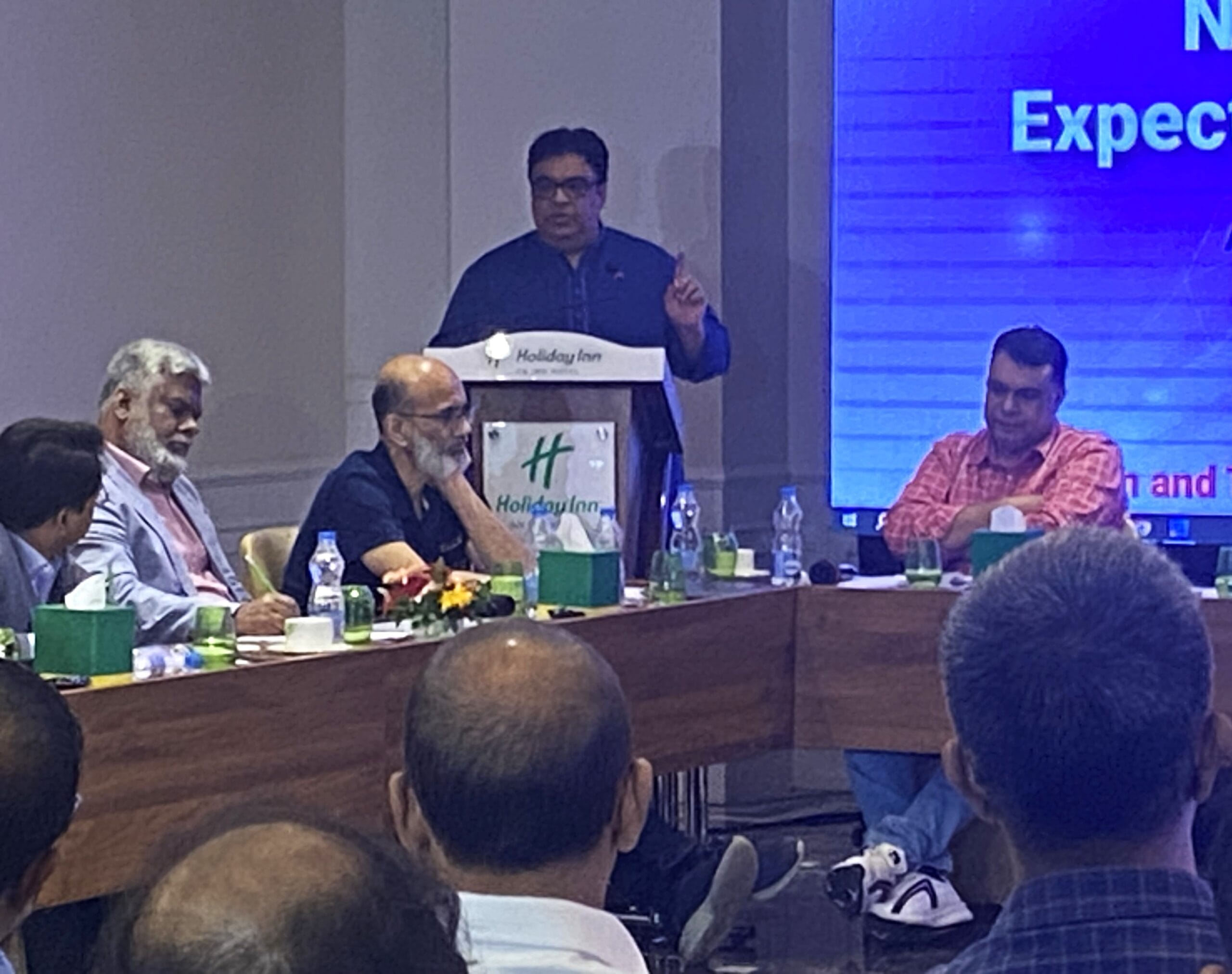
The proposal was outlined by Rehan Asif Asad, telecommunications and ICT adviser to Prime Minister, during a policy discussion in Dhaka on Saturday.
“I am working with the idea with the Prime Minister for introduction of a universal digital identity system linked to a digital wallet,” Mr Asad said, adding that the rollout would be gradual over the next 12 to 18 months.
The initiative forms part of a broader push to modernise the country’s digital infrastructure and attract foreign investment. Officials aim to increase foreign direct investment to 2.5% of GDP — a roughly fourfold rise — by creating a more business-friendly environment.
Despite having one of the world’s largest mobile phone user bases, Bangladesh continues to lag behind regional peers in service quality.
Mr Asad acknowledged that the country trails smaller Asian nations such as Nepal and Bhutan in telecom standards, describing the situation as both a “collective failure” and an opportunity for reform.
The government has set ambitious connectivity targets, including extending 5G coverage to 90% of subscribers and ensuring minimum internet speeds of 100 Mbps. However, nearly half of the population still does not use smartphones, posing a significant barrier to digital inclusion.
To address this, authorities are exploring ways to reduce handset costs, with a target price of around Tk2,500. Measures under consideration include reviewing taxes, production costs and the wider device supply chain.
Mr Asad also stressed the importance of maintaining a financially sustainable telecoms sector, warning that a balanced tax regime would be essential to improving service quality.
Separately, Emdad Ul Bari, chairman of the Bangladesh Telecommunication Regulatory Commission, called for significant investment in fibre-optic networks and telecom towers to support next-generation services. Without faster infrastructure development, he warned, the country risks falling behind in the rollout of 5G and other advanced technologies.
The discussion, organised by the Telecom and Technology Reporters Network Bangladesh Samir Kumer Dey, focused on expectations surrounding a forthcoming telecom policy, which officials say has been shaped through extensive consultation with industry stakeholders.