


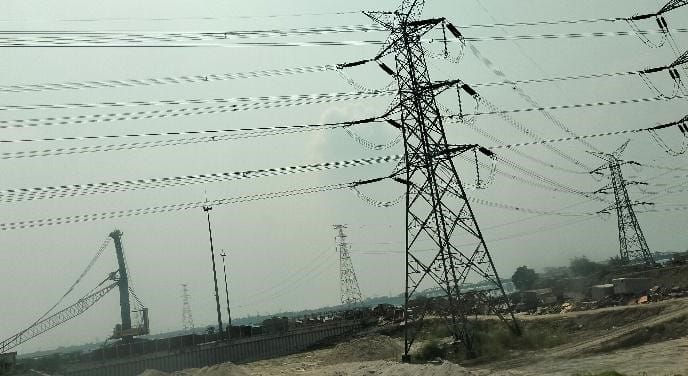
Bangladesh has experienced an unprecedented power shortfall during this hot summer, driven by a sudden natural gas supply crisis, extreme weather and unusual patterns of electricity use, officials said.
“We have recorded an increase in electricity demand of around 3,500MW to approximately 19,000MW over the past couple of days compared with the same period last year,” Bangladesh Power Development Board (BPDB) chairman Engineer Rezaul Karim told Just Energy News.
He said the extreme heat, a shortage of gas to fuel power plants and changes in electricity consumption patterns were the three main reasons behind the widening power shortfall.
Gas supplies to power generation have now risen to about 950 million cubic feet per day (mmcfd), compared with around 700mmcfd following a recent fire incident at one of the floating storage and regasification units (FSRUs) in Moheshkhali, an official said.
“Due to the shortfall in gas supply, dozens of gas-fired power plants were forced to shut down, and these plants require time to restart,” the BPDB chairman said.
The gas shortage in households has also contributed to a rise in electricity consumption, as more people have turned to electric cooking, according to Karim.
The BPDB has increased electricity supplies to export-oriented industrial areas, including the Chittagong Export Processing Zone (CEPZ) and Dhaka Export Processing Zone.
“We have assured the CEPZ that it will receive a maximum of 45MW of electricity from the grid, as its captive power generation has become inoperative due to the gas crisis,” the chairman said.
Speaking to Just Energy News, BEPZA executive director Md Shariful Islam said the CEPZ had received more than 30MW of grid electricity from the BPDB for the first time in its 42-year history, using a back-feed arrangement through United Power’s transformer.
United Power’s captive power plant is currently producing only 7-8MW against its installed capacity of 68MW because of the gas shortage.
“We were experiencing five hours of load-shedding during an eight-hour working day this summer. But today, we experienced only one hour of load-shedding during working hours at the CEPZ,” said Md Sayem Jahangir, a senior official at DAF Ctg Accessories Ltd, speaking to Just Energy News.
He said around 150 local and foreign industrial units had been able to continue production with minimal interruption after receiving grid electricity.
The BPDB chairman also said changes in electricity consumption patterns had contributed to the increase in demand. He said demand had risen by an additional 1,500MW-2,000MW because of the growing use of electrically powered three-wheelers.
The BPDB is also planning to increase electricity generation from heavy fuel oil (HFO)-based power plants during the summer.
“We are planning to seek additional funding from the Finance Division to purchase the additional fuel required for electricity generation,” the chairman said.